Netflix Docuseries Spurs Controversy Over Candid Footage And Ethics
Director Alexandria Stapleton has described how unexpected handheld footage featured in the Netflix series Sean Combs The Reckoning became a central controversy, as the subject's team alleges some material was taken improperly while filmmakers insist rights were obtained legally. The series blends those recordings with interviews from former associates and accusers to document allegations, civil suits, and criminal prosecutions, raising practical questions for anyone tracking true crime developments.
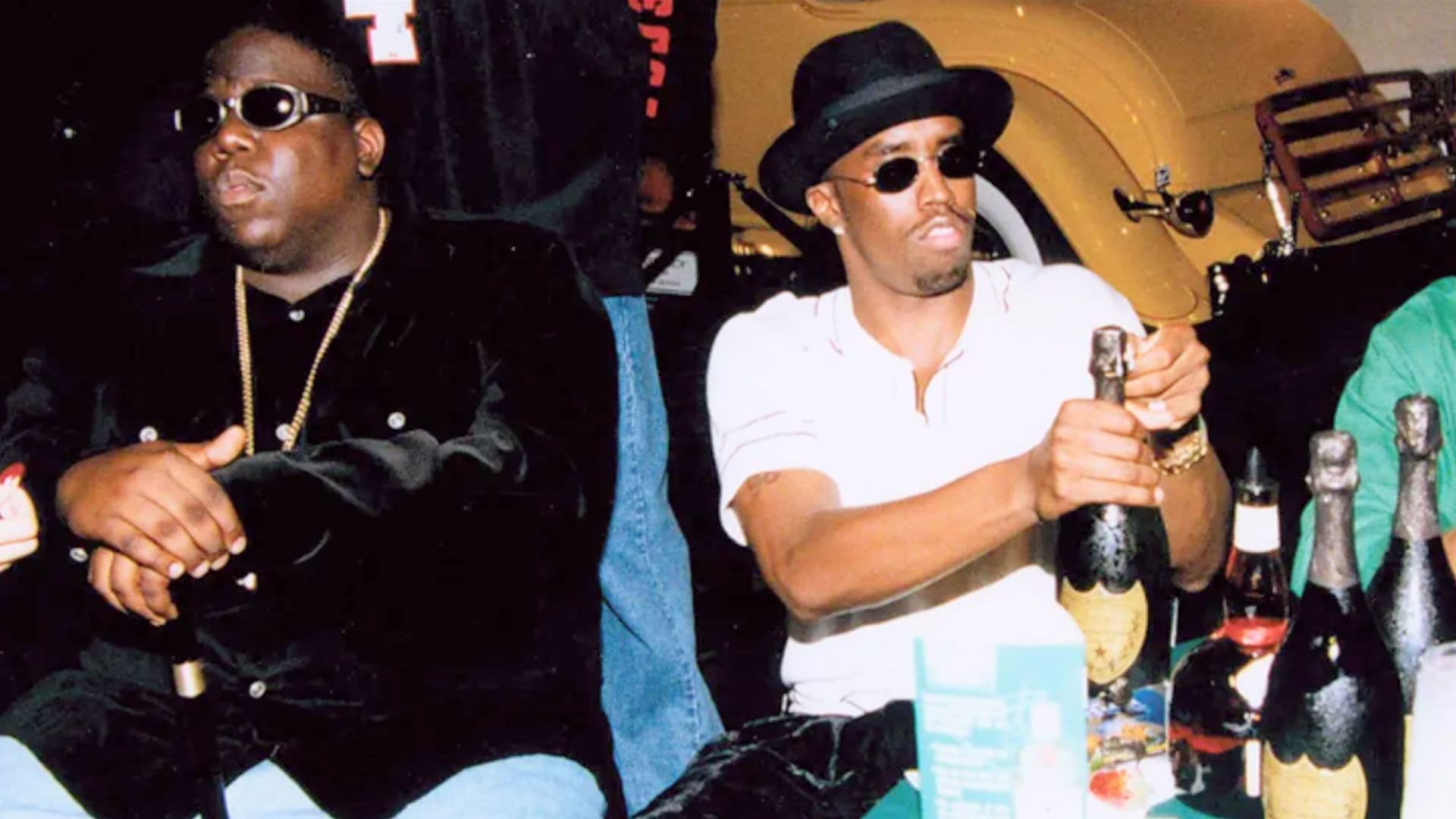
The Netflix series Sean Combs The Reckoning has drawn intense public scrutiny after the appearance of candid handheld footage, some of it dated to September 2024. The footage became a flashpoint when Combs’ team asserted that portions were stolen. Filmmakers and the director maintain that they obtained usage rights through legal channels, and the series places the recordings alongside interviews with former associates, alleged victims, and industry figures to trace the arc of allegations and the legal actions that followed.
The series debuted in early December and quickly generated widespread attention, in part because of the disputed provenance of the recordings and the emotional weight of the interviews. Producers secured conversations with multiple people connected to the subject, and the documentary alternates intimate footage with testimony and archival material to situate allegations within ongoing civil litigation and criminal prosecutions. That structure has amplified debate about how documentary storytelling interacts with live legal processes.
For community researchers and casual observers the case highlights several practical concerns. Verify provenance of contested material, and do not treat a documentary as a final record of legal facts. Check court dockets and public filings to confirm timelines and the status of suits and prosecutions. Track statements from official legal representatives and plaintiffs through court documents rather than relying solely on media presentation. Pay attention to how filmmakers frame and contextualize interviews, and be cautious about treating emotionally persuasive footage as conclusive evidence.

The controversy also underscores ethical questions about reporting and filmmaking in high profile true crime work. The tension between journalistic access and the rights of people involved in ongoing cases matters to victims, defendants, and communities following proceedings. As investigations and civil matters continue, the documentary serves as both a record of public interest and a reminder to consult primary legal sources when assessing allegations and outcomes.
This article was produced by Prism’s automated news system from verified source data, official records, and press releases, then run through automated quality and moderation checks before publishing. The system is built and supervised by the people who set the standards it runs under. Read our full AI policy.
Did this article answer your question?