Opelika exhumation revises 1990 homicide victim's age, height estimate
An exhumed Opelika homicide victim may have been misprofiled for 35 years, and the corrected age and height could finally point investigators to the right missing person.
A body buried for more than three decades as an unknown homicide victim in Opelika may have been profiled wrong from the start, and that correction could be the break investigators needed to reopen a case that went cold.
When the young Black male was found on Sept. 22, 1990, in a creek bed about one-tenth of a mile from Interstate 85 in Opelika, Alabama, the autopsy showed he had died from a single gunshot wound. The original medical profile put him at about 18 to 25 years old and roughly 5-foot-8, but detectives never found a solid missing-person match that fit those details. The mismatch helped stall the investigation for decades.
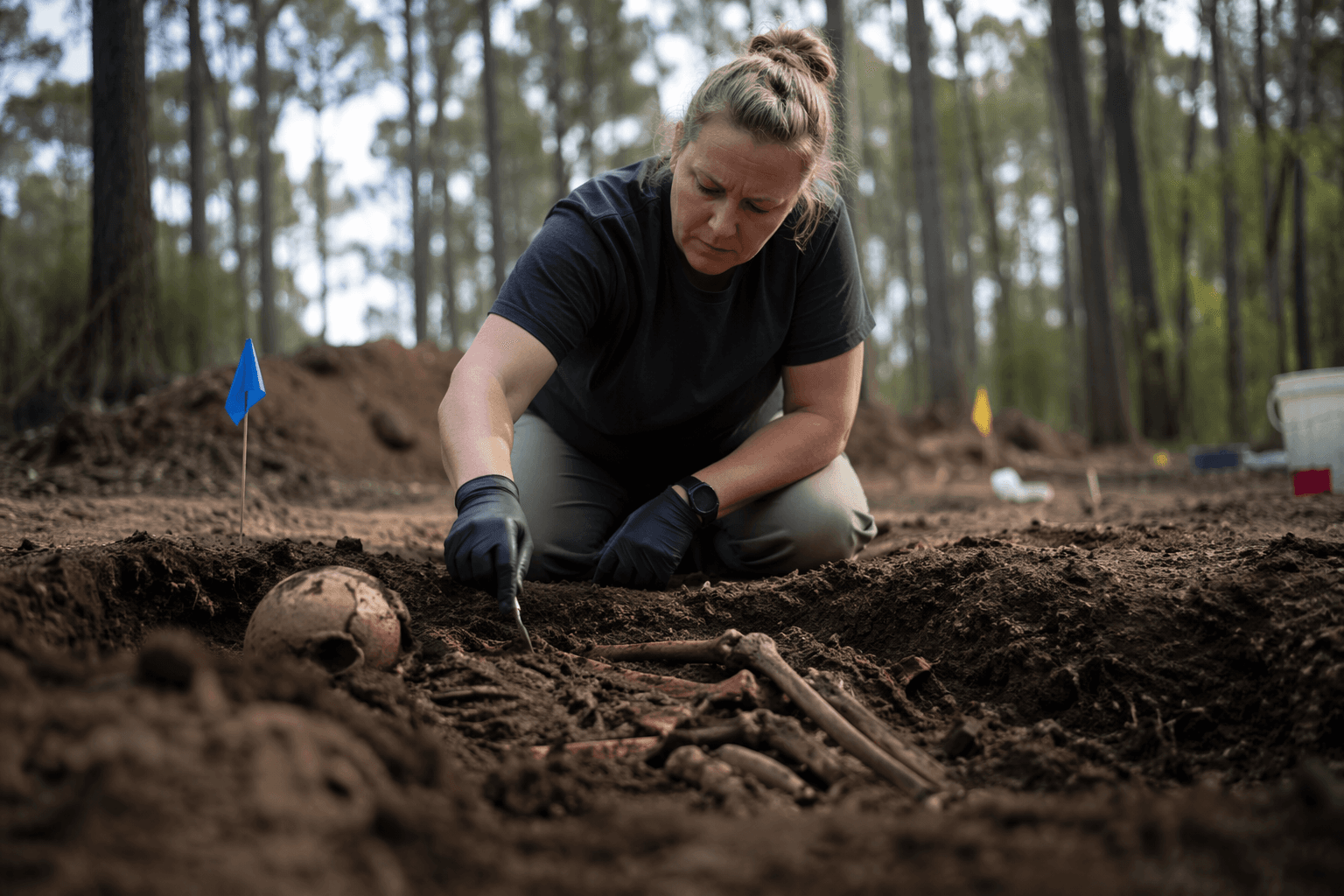
That changed after Opelika police and the Alabama Department of Forensic Sciences exhumed the remains for a fresh examination. The new review significantly altered the victim’s profile: investigators now believe he was probably a juvenile, no older than 18, and closer to 5-foot-5 to 5-foot-6. That is not a minor adjustment in a cold case. A few inches and a few years can mean the difference between a missed lead and the right name, especially when investigators had already ruled out missing-person cases that seemed too tall or too old to match the original estimate.
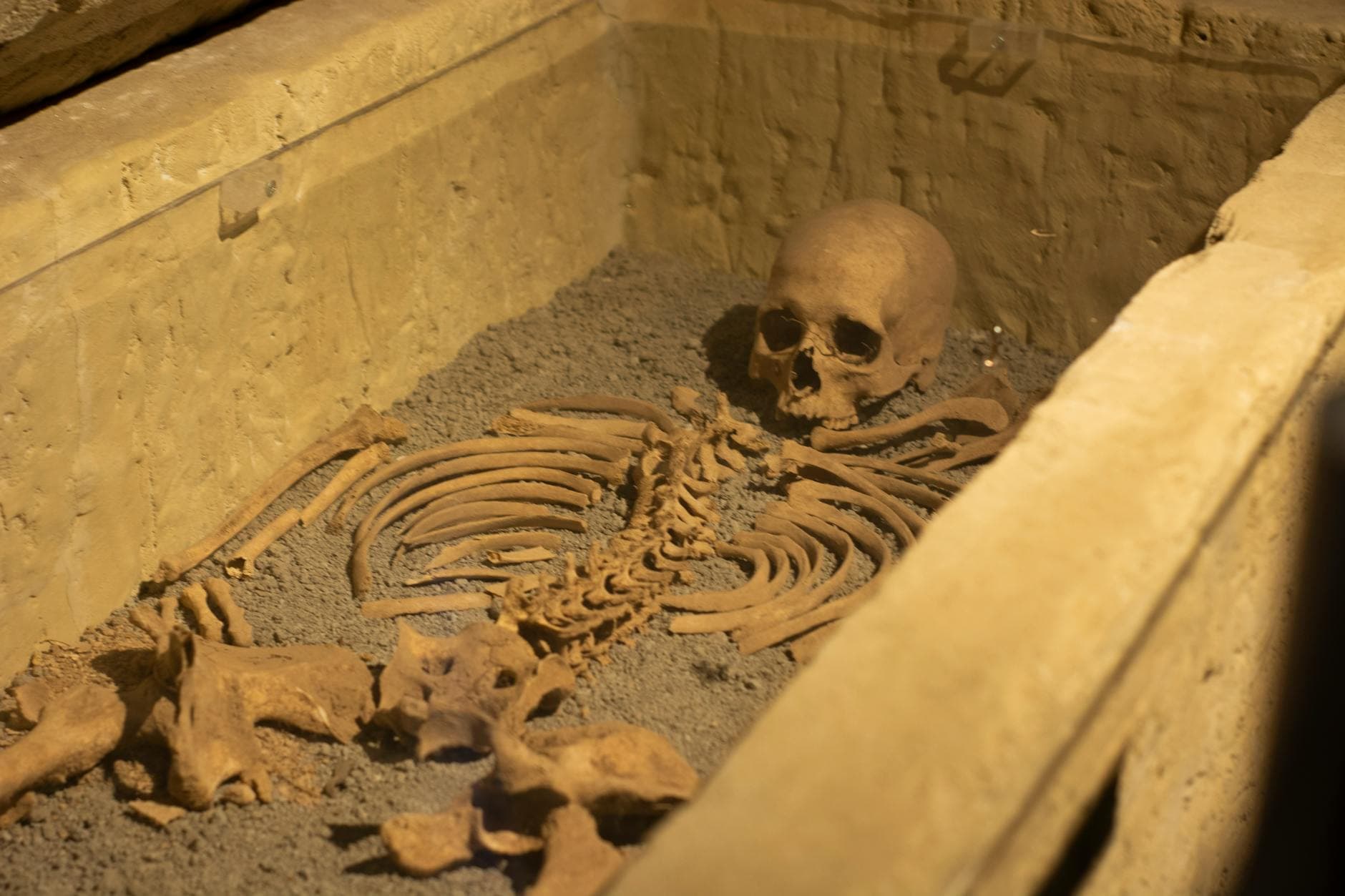
The exhumation also produced a bone sample for additional DNA analysis, giving the case another path beyond the usual comparison of age, stature and clothing. For a homicide with no identified suspect and no confirmed identity, that kind of forensic reset can matter as much as a lab hit. A revised profile may now connect the victim to a missing-person report that was overlooked for more than 35 years.
What makes the Opelika case stand out is how much turns on a correction. The victim was found just off a major interstate corridor, killed by a single gunshot, and then effectively hidden twice, first by the creek bed and then by an inaccurate biological profile that narrowed the search in the wrong direction. With the body reexamined and DNA now in play, investigators are back to asking the same old question with sharper details: who was he, and who shot him?
This article was produced by Prism’s automated news system from verified source data, official records, and press releases, then run through automated quality and moderation checks before publishing. The system is built and supervised by the people who set the standards it runs under. Read our full AI policy.
Did this article answer your question?