Othram DNA Identifies Man Found After Hurricane Irma as James Schlake
Othram DNA identified remains found after Hurricane Irma as James Donald Schlake, giving investigators and relatives a confirmed name and closing a long-standing cold case.
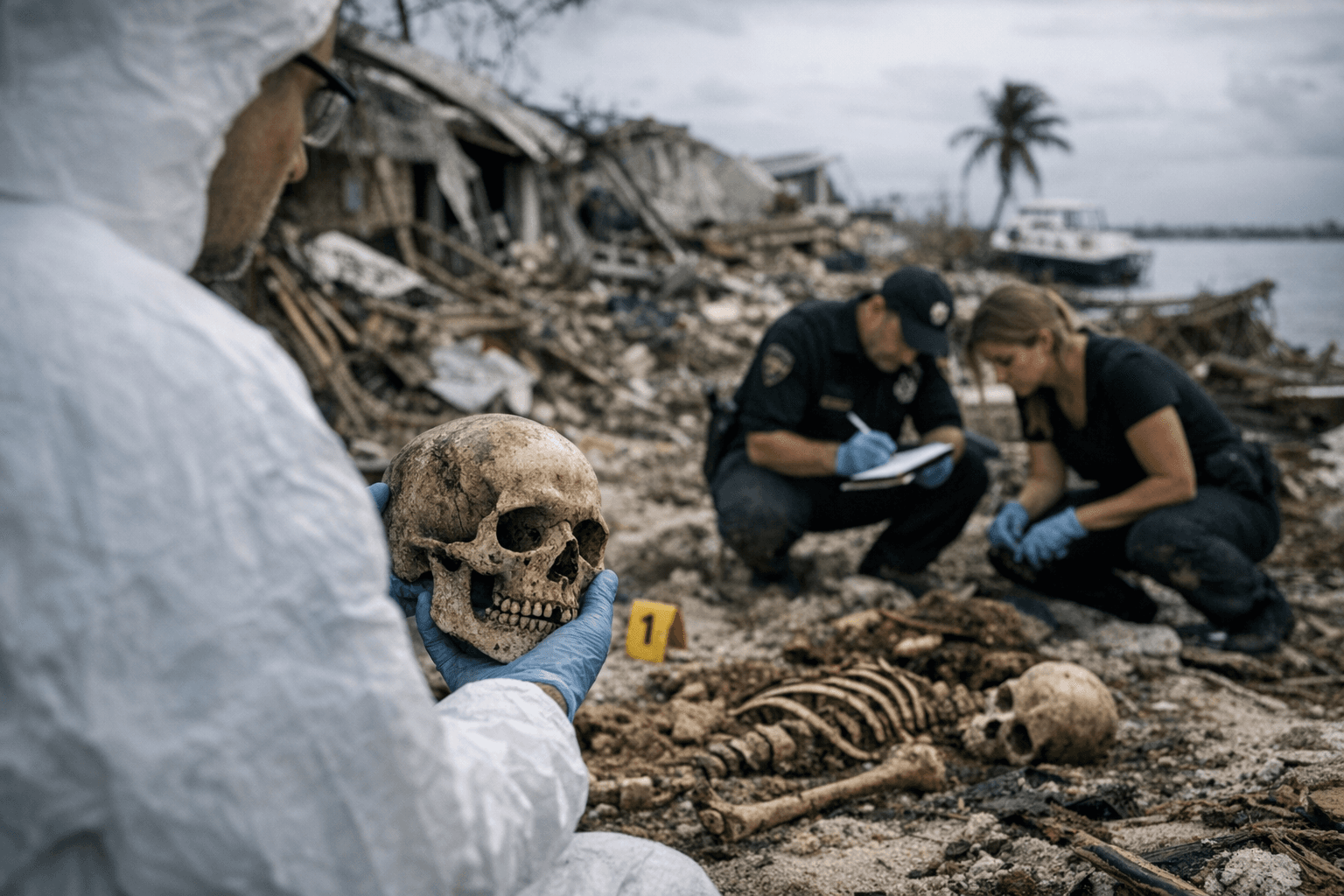
Authorities announced that remains recovered Sept. 14, 2017, on Big Pine Key have been identified as James Donald Schlake, born Dec. 17, 1940. The Florida Department of Law Enforcement said a DNA sample submitted to Othram in 2025 produced a genetic profile that led investigators to relatives and a positive identification, resolving a case tied to the aftermath of Hurricane Irma.
The remains were discovered days after the 2017 storm and had remained unnamed for nearly a decade. The Monroe County Medical Examiner previously ruled the cause of death drowning and the manner accidental. Investigators and officials credited the identification to statewide forensic resources and partnerships that combined public agency work with private laboratory capabilities.
For the True Crime community and residents of the Lower Keys, the identification removes an anonymous entry from local case files and restores a name to a person lost in a major weather event. Cold case sleuths and family members tracking Irma-related losses will note how forensic genealogy continues to change investigations: submitting preserved samples to specialized labs can yield profiles that connect to living relatives even years after a death.
This development also illustrates the practical mechanics behind modern cold case work. Law enforcement agencies collected biological material in 2017, preserved it, and later leveraged new techniques and a private lab partnership to generate a usable genetic profile. That profile, combined with genealogical research and traditional investigative follow-up, produced leads that investigators were able to confirm. The result is a positive identification that updates investigative and coroner records.
Beyond the immediate resolution, the Schlake identification highlights how interagency collaboration can deliver answers long after an incident. For communities still sifting through storm-related missing persons, the case is a reminder that time does not always mean finality. Evidence preserved in the wake of disasters can become the key to naming the unnamed when forensic technology advances.
What comes next is routine but meaningful: records will reflect the confirmed identity, and investigators can close this chapter of a Hurricane Irma recovery. For readers, the case underscores the value of preserving evidence, supporting forensic partnerships, and remaining patient as DNA and genealogical tools continue to help solve cold cases across the state.
This article was produced by Prism’s automated news system from verified source data, official records, and press releases, then run through automated quality and moderation checks before publishing. The system is built and supervised by the people who set the standards it runs under. Read our full AI policy.
Did this article answer your question?