Prosecutors Say Convicted Sex Offender Sung Murdered Partner After Money Argument
Sung was headed to his first trial May 7, accused of killing his girlfriend after a money fight, while his past included forcing a 13-year-old into prostitution.
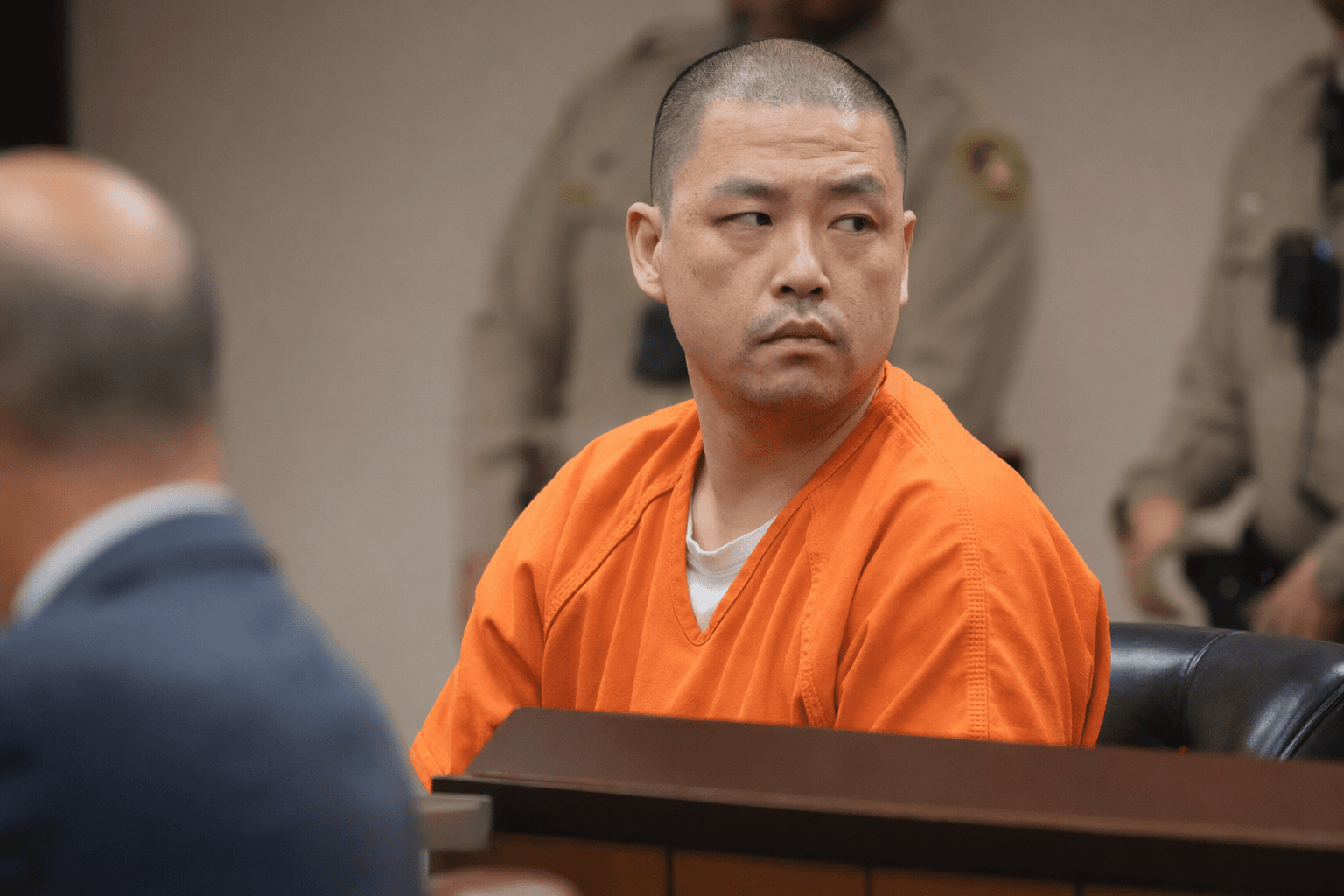
Prosecutors said Sung, a man in his 30s, strangled and killed his girlfriend after an argument over money, then dumped her body in a river that has never yielded remains. The case was already set for its first trial on May 7 after four postponements, putting the focus on how a defendant with a documented sexual-offense history came to stand accused in a new killing.
Court reporting in late April said Sung had been indicted in February on charges that he assaulted and threatened the victim before killing her during the dispute. The missing body has made the case especially stark: without a recovery, the prosecution will have to lean heavily on circumstantial and forensic proof, the kind of record Korean media have shown can still sustain a homicide case even when a body is not found.
Sung’s past is what made the latest allegations spread quickly through the true crime community. In July 2014, he was sentenced to five and a half years in prison for violating the Youth Sex Protection Act and related crimes after forcing a 13-year-old runaway into prostitution about 150 times. Court records said he took in an average of about 800,000 won a day. The same ruling said he later exploited three other runaway teenagers by selling baked sweet potatoes and taking about 360,000 won in proceeds over nine days.

That record raises the question now hanging over the case: what did authorities know about Sung’s risk, and how visible was that risk before the alleged killing? South Korea’s Ministry of Justice says sex-offender registration can last 10, 15, 20, or 30 years depending on sentence length, and electronic monitoring was introduced in 2008 as a special measure in response to public anxiety about sexual violence recidivism. Public disclosure tools also exist to identify sex offenders and warn the public about those considered a concern.
The murder charge lands in a legal climate where intimate-partner killings and sex-related violence are treated with severe scrutiny. In a separate girlfriend-murder case, prosecutors sought life imprisonment and a 30-year electronic monitoring order, underscoring how sharply the courts can respond when violence inside a relationship turns deadly. For Sung, the central question is no longer only what happened in the argument over money. It is whether his history should have been read as a warning long before the victim disappeared into the river and the case moved toward trial without a body.
This article was produced by Prism’s automated news system from verified source data, official records, and press releases, then run through automated quality and moderation checks before publishing. The system is built and supervised by the people who set the standards it runs under. Read our full AI policy.
Did this article answer your question?