Rendell Hoagland Sentenced to Life Without Parole in Daughter’s Starvation Death
A father pleaded guilty and was sentenced to life without parole after his 12-year-old daughter died of starvation and blunt-force injuries, a case documented by hundreds of videos.

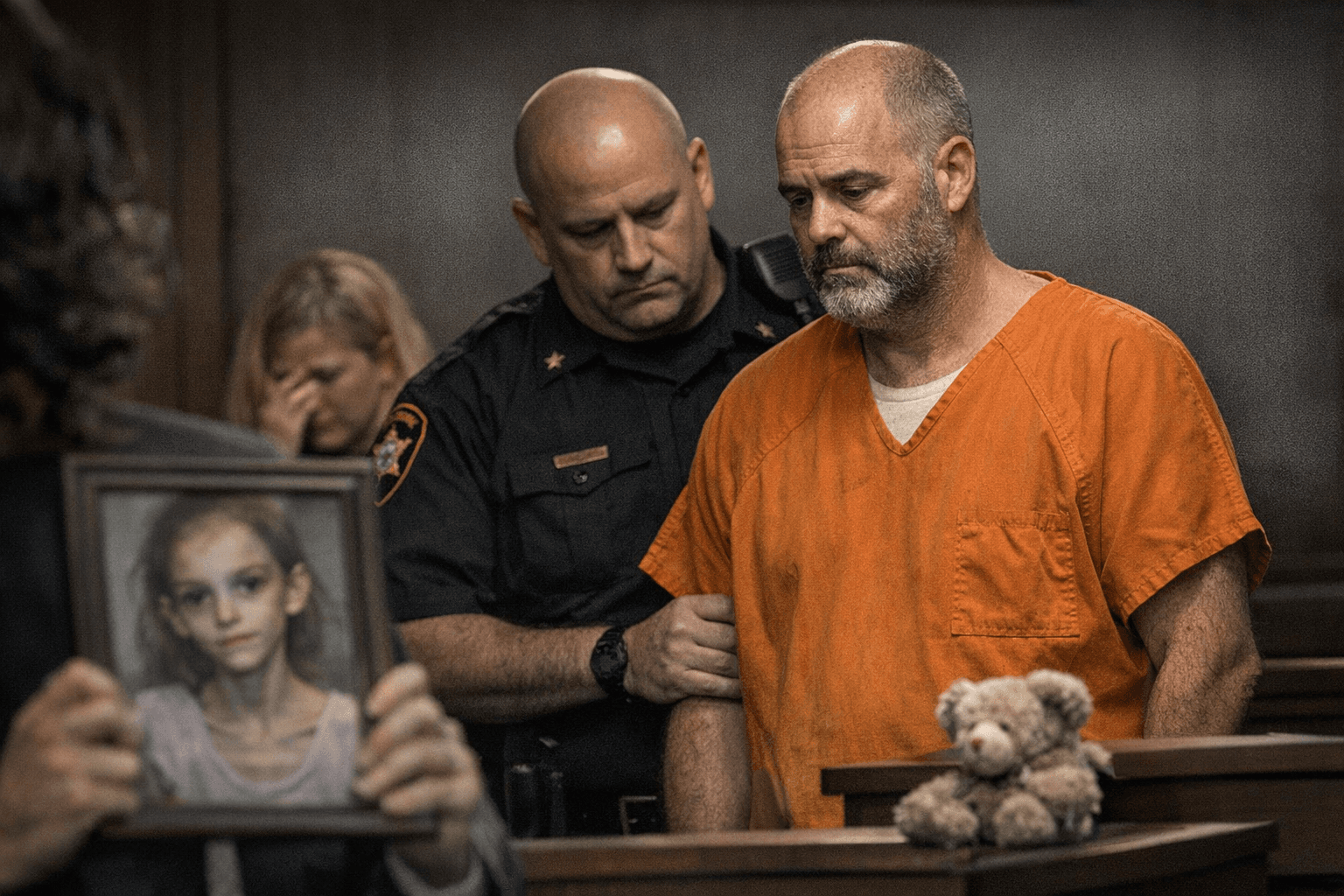
Rendell Hoagland, 54, pleaded guilty and was sentenced to life in prison without the possibility of parole on January 16, 2026, after admitting to repeatedly abusing his 12-year-old daughter, Malinda Hoagland, whose death investigators concluded resulted from starvation and blunt-force injuries. The conviction follows a months-long investigation that prosecutors say uncovered a pattern of physical and emotional abuse captured on digital evidence.
Prosecutors relied heavily on materials seized from Hoagland’s phones and home security cameras, describing hundreds of videos and images that they say depict prolonged mistreatment. The medical examiner’s office determined that Malinda’s death was caused by both starvation and blunt-force trauma, findings that framed the case as not only criminal violence but severe neglect over time.
During sentencing, prosecutors emphasized the volume and consistency of the evidence. Family impact remarks were presented in court, conveying the emotional toll on relatives and the broader community. The court imposed life without parole plus additional years, reflecting the gravity of the abuse and the fatal outcome. The specific additional terms were included in court filings and sentencing documents.
Malinda’s stepmother faces separate criminal charges and is scheduled for trial. Authorities have said the stepmother’s case will proceed independently as investigators and prosecutors continue to untangle each person’s role in the events that led to Malinda’s death. Law enforcement did not request immediate comment beyond court filings, and criminal proceedings against the stepmother will determine further legal consequences.
This case matters to readers because it highlights how prolonged child abuse can be documented in places neighbors, schools, and community organizations might overlook. Digital evidence - phones and security cameras - played a central role in building the prosecution’s case, underlining the growing importance of electronic records in child protection investigations. The case also raises questions about how warning signs are identified and acted upon by schools, medical providers, and social services before tragedy occurs.
For parents, caregivers, educators, and neighbors, the case underscores practical steps: report suspected abuse promptly to local law enforcement or child protective services, document concerns with dates and descriptions, and follow up to ensure reports are investigated. Community child welfare and school officials may review protocols and training in the wake of this conviction.
What comes next is the separate trial of Malinda’s stepmother and continued scrutiny of systemic responses to prolonged abuse. Rendell Hoagland will serve life without parole; the community now faces the task of holding systems accountable and supporting prevention efforts to protect other children.
This article was produced by Prism’s automated news system from verified source data, official records, and press releases, then run through automated quality and moderation checks before publishing. The system is built and supervised by the people who set the standards it runs under. Read our full AI policy.
Did this article answer your question?