Robert Dear Dies in Custody, Never Tried for 2015 Clinic Shooting
Robert L. Dear, the 67 year old charged in the 2015 mass shooting at a Planned Parenthood clinic in Colorado Springs, died while in federal custody on November 26, 2025. His death closes a long unsatisfied chapter for victims and the community because he was repeatedly found mentally unfit to stand trial and never faced a courtroom.
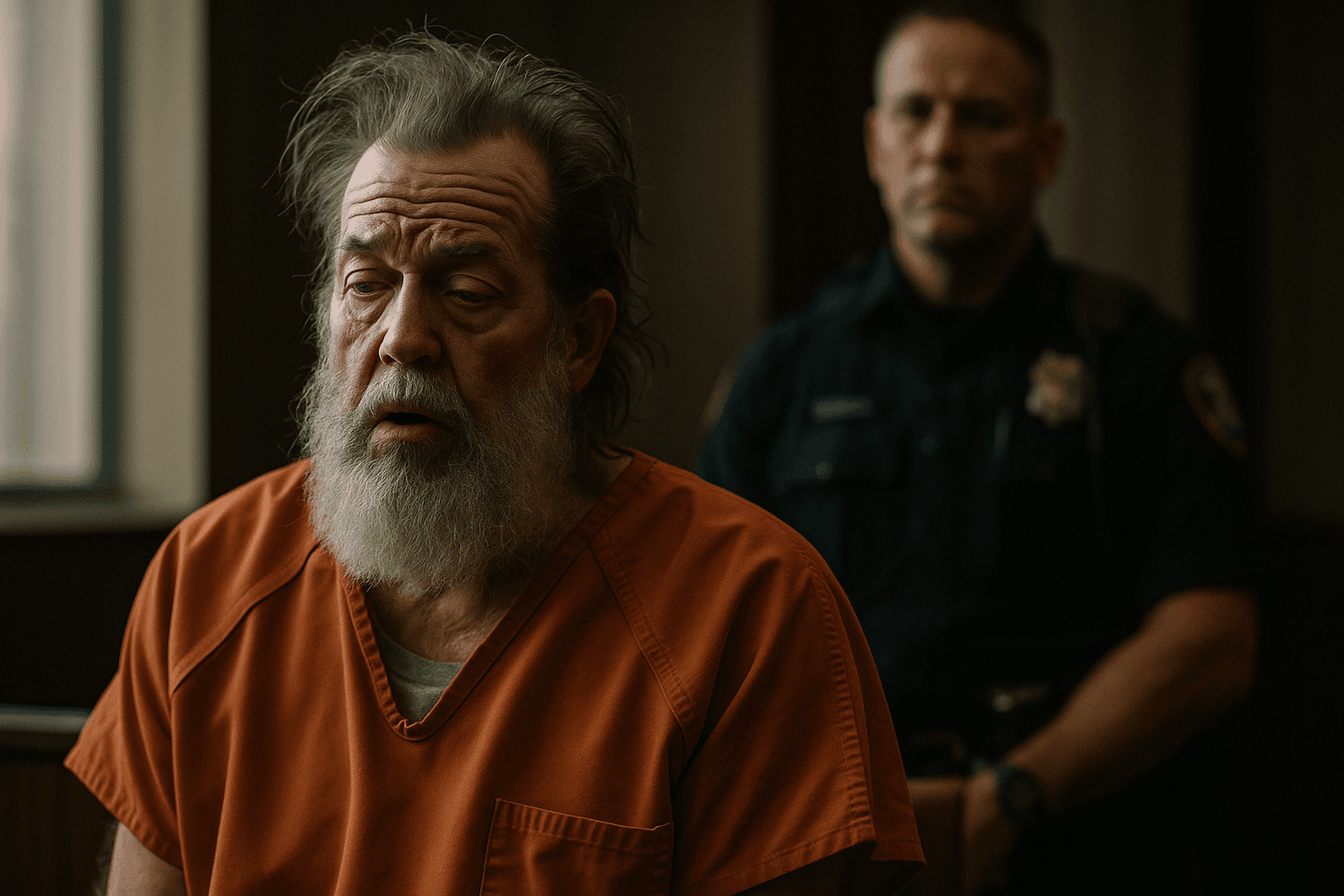
Robert L. Dear died on November 26, 2025 while receiving treatment at a federal medical facility, federal prison records show. The death occurred nearly a decade after the attack that left three people dead and nine others injured at a Planned Parenthood clinic in Colorado Springs on November 27, 2015. Multiple outlets described the death as from natural causes, but the Bureau of Prisons declined to confirm a cause.
The 2015 shooting drew national attention and set off lengthy legal and psychiatric proceedings. Dear was charged with killing three people and injuring nine others, but he never went to trial. Court findings over the subsequent decade found him mentally unfit to stand trial on multiple occasions. Those competency rulings prevented the criminal justice process from delivering a formal verdict or sentence, leaving victims and community members without the closure a trial can provide.
The circumstances of Dear s death underscore ongoing questions about how the justice system handles defendants with serious mental health issues. Dear had been held in federal custody while authorities navigated treatment, competency evaluations, and legal procedures that stretched over years. Federal prison records indicating he died while receiving medical care highlight the intersection of detention and health care for incarcerated people, a topic of continued relevance for families affected by violent crime and for communities tracking transparency from federal agencies.
For survivors and the families of those killed, the death of the accused may bring complicated responses. Without a trial, records produced in court and the public airing of evidence did not occur, which affects both legal accountability and public understanding of what happened that day in Colorado Springs. The case also continued to inform public debate about courtroom competency standards, access to mental health care, and how prosecutors pursue long running cases against people found unfit for trial.
People reported the federal records and multiple outlets described the death as natural causes, while the Bureau of Prisons would not confirm a cause. As the community processes this development, the questions left by a decade without trial remain central to conversations about victims rights, mental health in the justice system, and transparency from federal custodial institutions.
Know something we missed? Have a correction or additional information?
Submit a Tip