Santa Barbara Woman Charged With Elder Abuse, Theft, Drugging Scientist
A Santa Barbara woman was charged with elder abuse, theft and drugging after an elderly scientist was found malnourished and drugged; the case highlights the risk of financial exploitation of seniors.

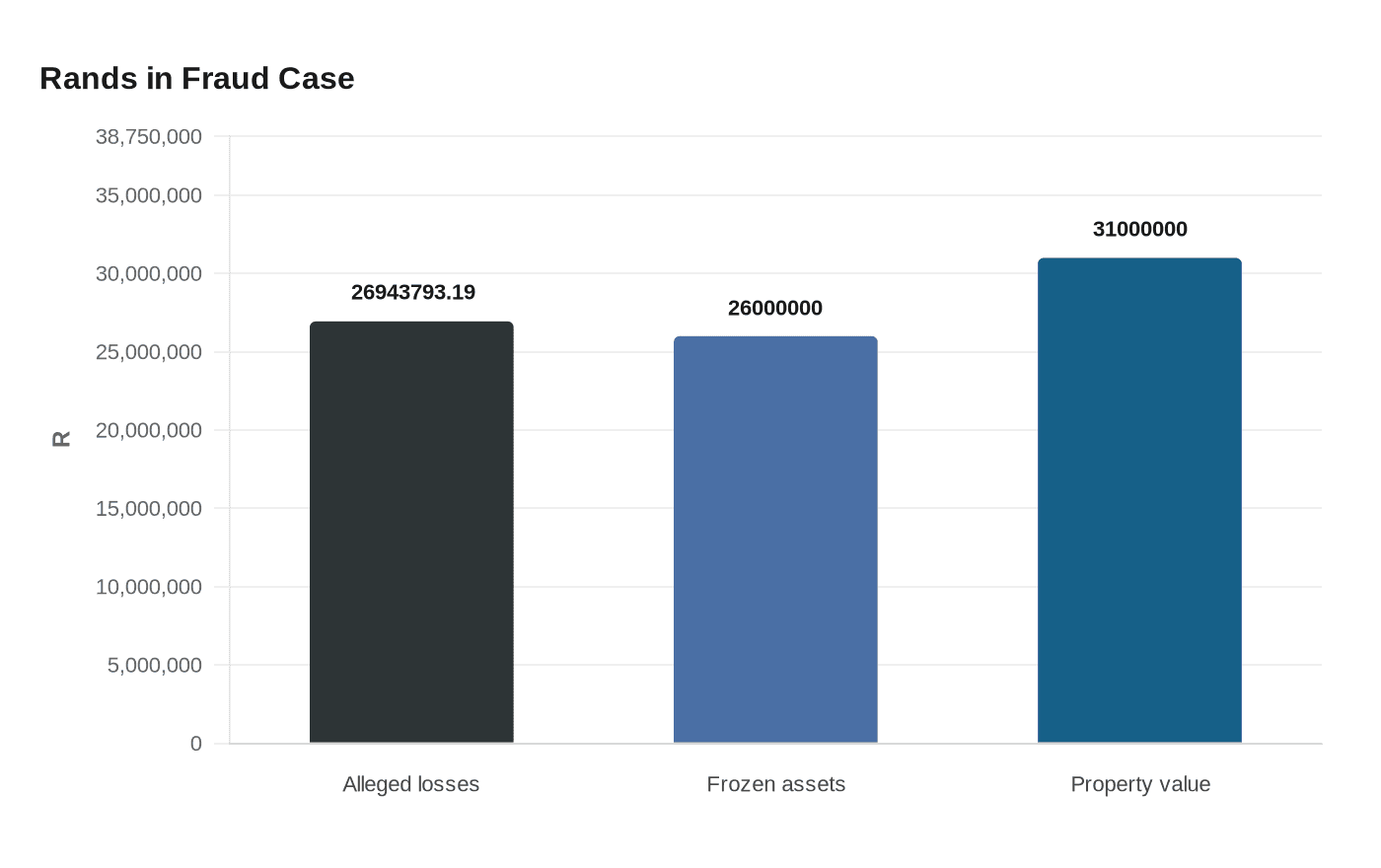
Prosecutors charged 61-year-old Inna Vladimirovna Cook on eight felony counts, including elder abuse, theft and money laundering, after an elderly scientist in Santa Barbara was found malnourished and drugged in a home Cook had purchased using the victim’s money. Authorities allege Cook befriended the scientist while the victim recuperated from surgery, gradually assumed control of the victim’s life and finances, and obtained transfers and documents that conveyed more than $3 million in property and assets.
According to family members and court documents, the pattern began when Cook entered the victim’s life as a caregiver figure and escalated into what prosecutors describe as a systematic effort to isolate and exploit an older adult. The victim was discovered after a separate DUI arrest of Cook led investigators to the property where the scientist was being held. Investigators found the victim malnourished and drugged; the home Cook had purchased was bought with funds taken from the victim, the charging papers allege.
Cook is out on bail and has pleaded not guilty. The county’s white-collar and elder-abuse team is prosecuting the case, and a hearing was scheduled for Jan. 26, 2026. Prosecutors allege a range of financial crimes in addition to the physical and custodial abuses, signaling a broader investigation into transfers, purchases and money flows tied to the victim’s accounts and title changes.
For the Santa Barbara community and those who follow elder-care issues, the case is a stark reminder that financial exploitation often accompanies other forms of abuse. The trajectory described in court papers follows common red flags: a newcomer who becomes indispensable after a medical event, rapid changes in wills or titles, unusual transfers of large sums, and signs of physical decline such as malnutrition or sedation. Those signs frequently precede or accompany what law enforcement calls a confidence play - a long con that uses trust and proximity to strip an older person of autonomy and assets.
Check on elderly neighbors, verify sudden changes in power of attorney or title transfers, and be alert to isolation or unexplained physical decline. Report suspected abuse to local law enforcement or Adult Protective Services so investigators can intervene before exploitation compounds. Banks and estate attorneys can also flag suspicious financial activity and freeze transactions when abuse is suspected.
This case remains active and will proceed through the courts at the Jan. 26 hearing. For now, the community should take its lessons from the allegations: vigilance and quick reporting can stop a confidence scheme before it finishes the long con.
Know something we missed? Have a correction or additional information?
Submit a Tip