Saviano blasts true crime frenzy over Garlasco case coverage
Saviano said Garlasco has become “intrattenimento,” pulling attention from Cutro and labor exploitation as new legal moves keep the case alive.
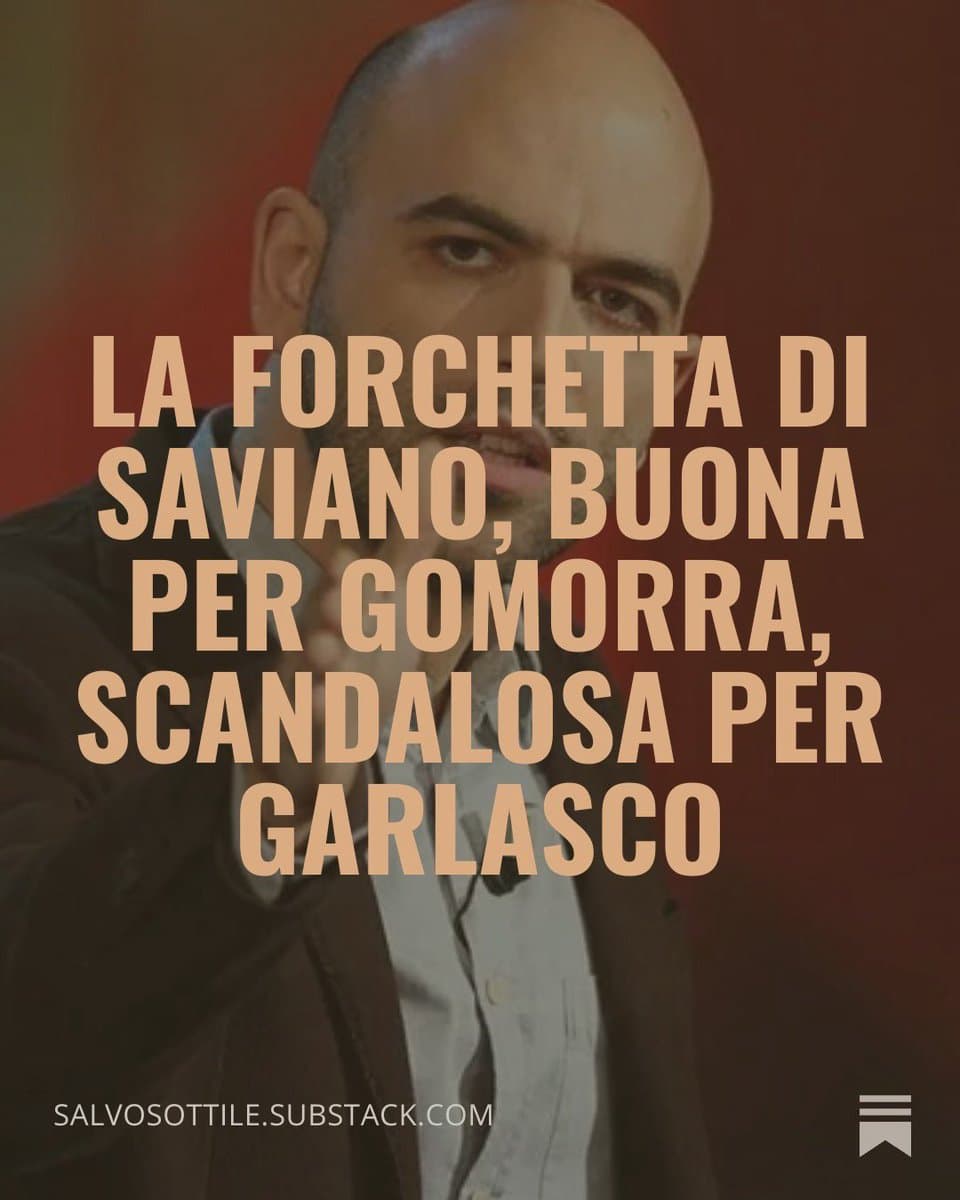
Roberto Saviano used a crowded stage in Bologna to level a blunt charge at Italy’s true crime machine: Garlasco has become a form of entertainment that pulls public attention away from other tragedies, including Cutro and labor exploitation. Speaking at Repubblica delle Idee on June 13, 2026, he put the case at the center of a larger fight over where reporting stops and spectacle begins.
That fight is sharpened by the facts of the case itself. Chiara Poggi was 26 when she was killed on August 13, 2007, in her family’s villa in Garlasco, in the province of Pavia. Nearly 19 years later, the murder remains one of Italy’s most discussed criminal cases, with trials, reversals, and a new round of scrutiny now moving through newspapers, television, podcasts, and social media.

The reopened inquiry brought Andrea Sempio back into the frame as a new suspect, and on May 6, 2026, ANSA reported that he exercised his right to remain silent when questioned by prosecutors. That kind of procedural detail is the line responsible coverage has to hold onto: who was questioned, what right was invoked, and which official step followed. It is a very different thing from turning every rumor, leak, or kitchen-table theory into a storyline.
The Pavia prosecutor’s office made that distinction explicit in July 2025, when it warned commentators, consultants, and opinionists against attributing unofficial reconstructions and states of mind to the investigation before it was complete. That warning matters because the Garlasco case has become a test case for the whole media ecosystem, where a homicide can be broken into clips, live reactions, and expert crossfire long before the court file catches up.
The debate has spilled well beyond traditional outlets. In February 2026, Fanpage described a public feud between Salvo Sottile and crime YouTuber Francesca Bugamelli, known as Bugalalla, over criticism of Garlasco coverage. Sottile has argued that the public fascination may come from a demand for justice, not simply a taste for spectacle, but Saviano’s criticism lands because the case is now being consumed across TV, social platforms, and creator culture at once.
The latest legal chapter also keeps the story in motion. Coverage in June 2026 noted that Alberto Stasi, the only person definitively convicted in the case, had been sentenced to 16 years and was preparing to leave Bollate prison after years of legal battles. That is why Saviano’s warning stings: when a case keeps returning to the front page, the question is no longer only who is guilty, but whether the coverage is still evidence-led, victim-respecting journalism or just another round of serialized crime theater.
This article was produced by Prism’s automated news system from verified source data, official records, and press releases, then run through automated quality and moderation checks before publishing. The system is built and supervised by the people who set the standards it runs under. Read our full AI policy.
Did this article answer your question?