Senate passes Carla Walker bill to expand forensic genealogy in cold cases
A bill named for Carla Walker would put $10 million into forensic genealogy pilots, aiming to crack cold cases, identify unknown victims, and clear the wrongly accused.

The Senate unanimously passed the Carla Walker Act, a bill born from one of Fort Worth’s most haunting cold cases, where 17-year-old Carla Walker was abducted from a bowling alley parking lot after her high school Valentine’s Day dance on February 16, 1974. Her body was found three days later, and her murder was solved 46 years after her death with advanced DNA testing and forensic genetic genealogy. The measure now heads to the House.
That is the practical promise at the center of the bill: expand the kind of DNA work that finally named Walker’s killer and make it available in more cold cases that have stalled for years under traditional testing alone. The legislation would create two $5 million pilot programs for forensic genetic genealogy DNA analysis, and it would allow existing federal grant funds to be used for that work. Supporters say that could help state and local agencies that have not had access to the limited number of labs and investigations now able to use the method.

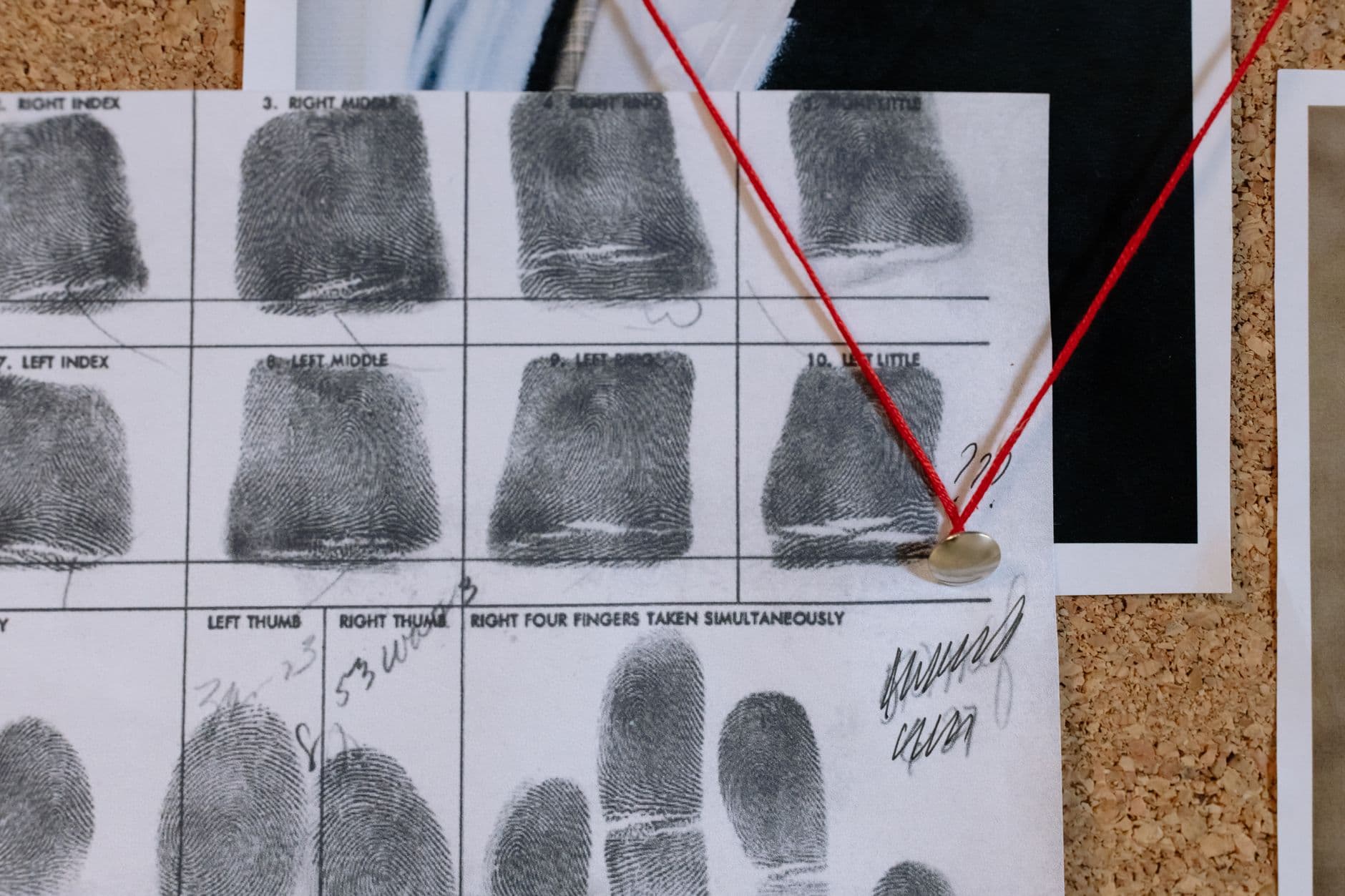
The bill is designed to do more than solve homicides. Senate materials say it would help identify criminals, name previously unidentified victims, and exonerate people who were wrongly accused. The toolset behind that work includes whole-genome sequencing and SNP marker analysis, the kind of detailed DNA processing that can generate investigative leads when standard forensic testing runs out of road. For any case where the evidence is old, degraded, or too thin for a direct match, that genealogy-driven approach can open a door that ordinary testing leaves shut.
The measure was advanced by the Senate Judiciary Committee on May 14, 2026, during National Police Week, before the full Senate vote on June 10, 2026. It is bipartisan and bicameral, led by Sen. John Cornyn of Texas and Sen. Peter Welch of Vermont, with Senate committee materials also listing support from Sens. Chuck Grassley, Mike Crapo and Chris Coons. Current Justice Department grant guidance already requires recipients using forensic genealogy funds to follow the department’s interim policy on forensic genetic genealogical DNA analysis and searching.
For true-crime cases that have sat for decades with a name but no answer, the Carla Walker Act is built around one hard reality: the gap between ordinary DNA testing and genealogy-based identification is often the gap between a mystery that stays cold and a case that finally moves. If the House sends it through, more families could see the same kind of breakthrough that turned Walker’s killing from an unsolved Fort Worth tragedy into a model for what cold-case DNA can still do.
This article was produced by Prism’s automated news system from verified source data, official records, and press releases, then run through automated quality and moderation checks before publishing. The system is built and supervised by the people who set the standards it runs under. Read our full AI policy.
Did this article answer your question?