Sentencing in Amityville dismemberment case sparks family outrage
Three people were sentenced for the 2024 murders and dismemberment of Malcolm “Craig” Brown and Donna Conneely, highlighting questions about plea deals and New York sentence reductions.
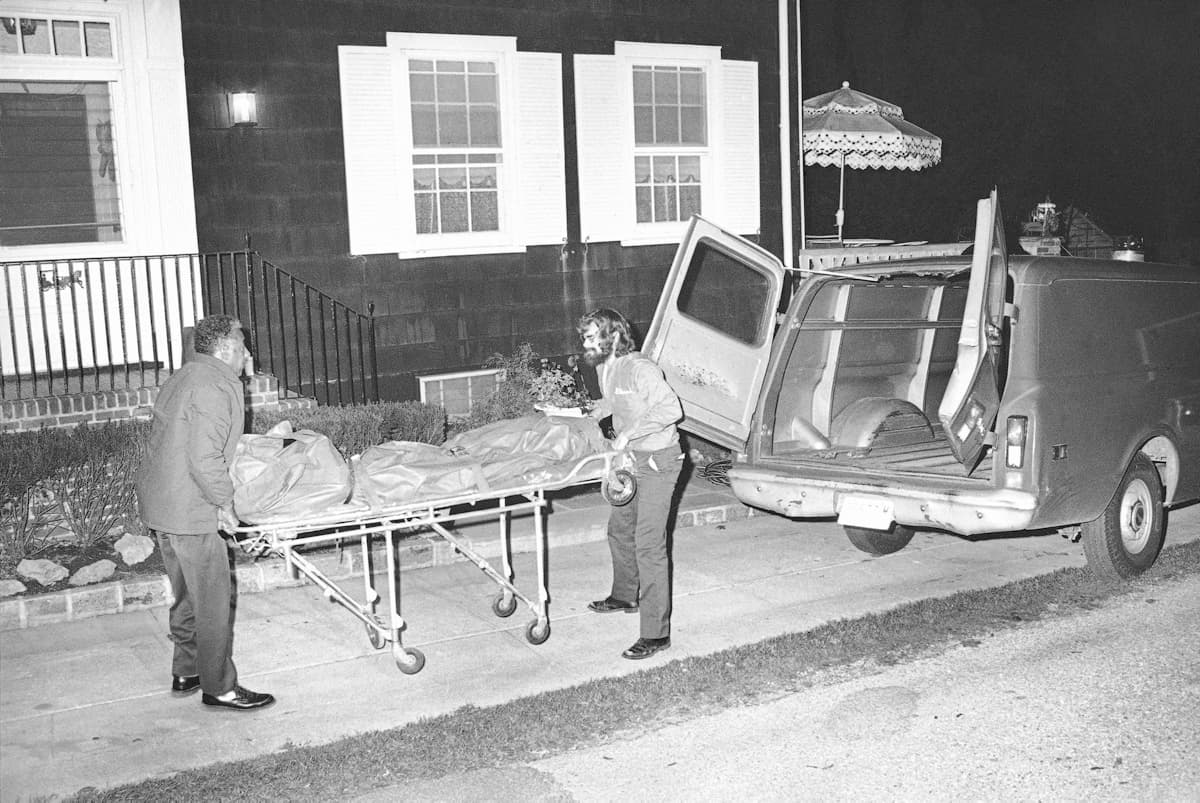
In mid-January, three people received prison terms in connection with the 2024 killings of Malcolm “Craig” Brown, 53, and Donna Conneely, 59, whose remains were later found scattered in park areas across Long Island. The case, which uncovered brutal stab wounds and dismemberment, has reignited debate about plea bargains and New York’s Domestic Violence Survivors Justice Act.
Jeffrey Mackey pleaded guilty to two counts of second-degree murder and was sentenced to 22 years. Alexis Nieves was given an 11-year sentence on a misdemeanor charge after pleading in connection with the killings. Malcolm Brown’s cousin, Steven Brown, pleaded guilty to conspiracy and received a five-year term. Court filings also note plea outcomes for a fourth defendant, Amanda Wallace, as part of the larger prosecution, though full details of her disposition were filed separately in the case record.
Prosecutors say the victims were stabbed and dismembered inside the Amityville house where all four defendants had been living. Authorities recovered meat cleavers and other weapons at the property, and investigators later found human remains in several locations, including local parklands on Long Island. The grisly discoveries prompted an extensive 2024 investigation that linked the crime scene in the home to the scattered remains.
Sentences in the case were reduced under New York’s Domestic Violence Survivors Justice Act after claims of abuse were raised by some defendants. The use of the DV SJA in this instance has drawn sharp criticism from family members, who described the punishments as lenient given the severity of the crimes and the way the victims’ bodies were disposed of. Prosecutors emphasized the violent nature of the offenses and the multi-site recovery of remains when explaining the charges and plea resolutions in court.
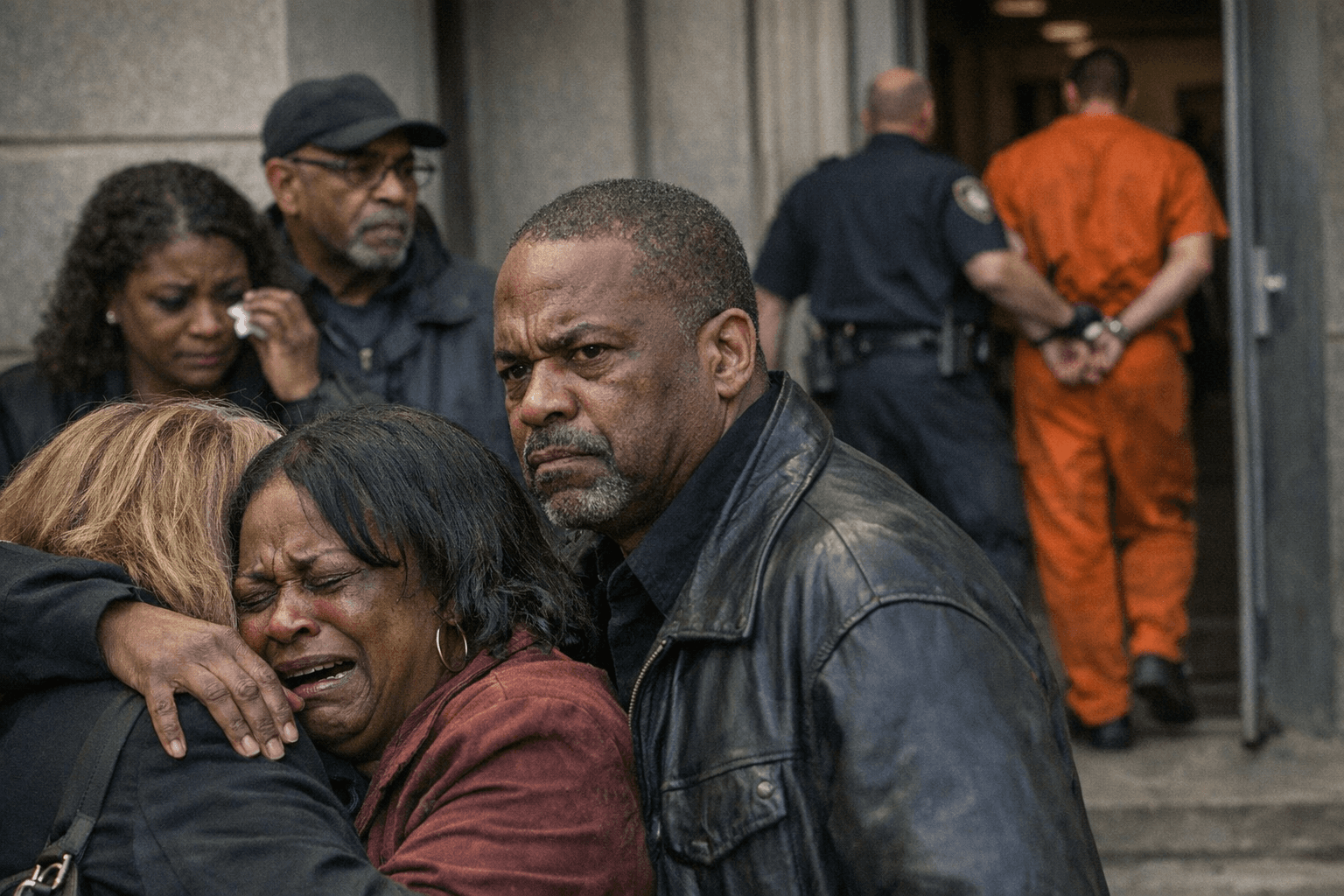
For the neighborhood and the wider true crime community, the case is a stark reminder of how criminal investigations proceed from brutal discovery to negotiated pleas. Practical implications include how domestic violence claims can alter sentence exposure, and how plea bargaining can resolve cases without full trials even in violent matters. Public safety concerns also linger because remains were recovered in public green spaces, prompting local residents to ask about park patrols and evidence contamination in outdoor searches.
What comes next for readers is continued monitoring of related court filings, possible appellate activity, and parole timelines tied to the sentences handed down. The case also feeds into ongoing local conversations about transparency in plea deals and the limits of sentencing reforms when they collide with community expectations for accountability.
This article was produced by Prism’s automated news system from verified source data, official records, and press releases, then run through automated quality and moderation checks before publishing. The system is built and supervised by the people who set the standards it runs under. Read our full AI policy.
Did this article answer your question?