St. Louis Man Charged with Abandoning Corpse of Roommate Lawanda McGee
A St. Louis man was charged after his roommate, 47-year-old Lawanda McGee, was found decomposing in their apartment following a family-requested welfare check; the case raises questions about welfare checks and neighbor vigilance.

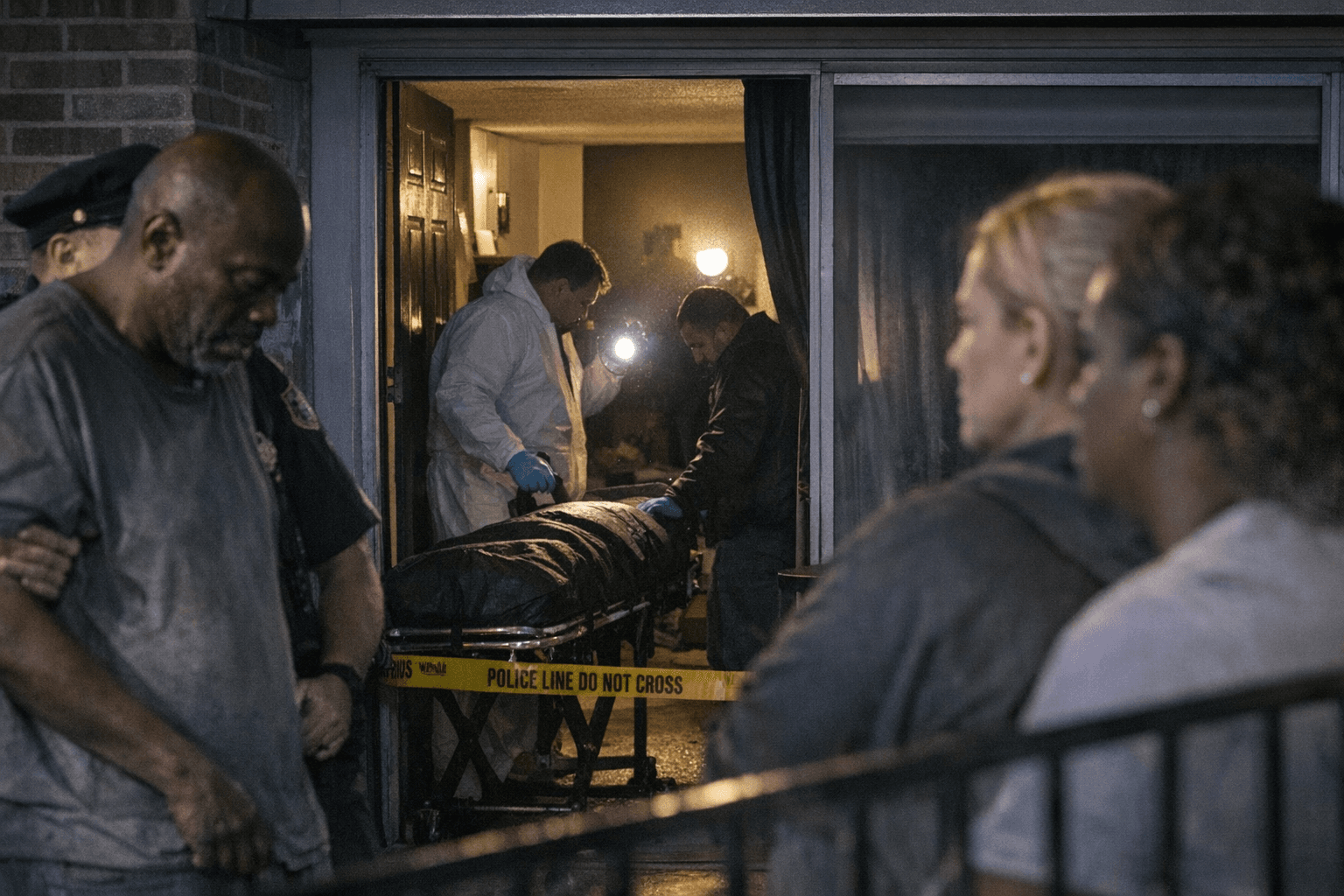
A St. Louis man has been charged with abandoning the corpse of his roommate after the roommate’s decomposing body was found inside their apartment. Lawanda McGee, 47, was discovered on Jan. 21 after family members asked police to perform a welfare check; neighbors reported last seeing McGee in mid-December.
Terrance Smith was charged with one count of abandonment of a corpse. The charge alleges that Smith left McGee’s body in the residence and did not notify authorities or family members in a timely manner. Authorities have not released details of how long the body had been in the apartment beyond the timeline provided by neighbors and the date of discovery. Investigators are expected to rely on forensic examination to establish the cause and manner of death and a more precise time frame.
The circumstances underline two practical concerns for residents and neighbors: recognizing when a welfare check is necessary and how to follow up when contact is delayed. Family members who could not reach McGee took the step of requesting police to check her welfare, a decision that ultimately led to the discovery. Neighbors told investigators they last saw McGee in mid-December, creating a window of several weeks in which the situation went unnoticed.
For community members, this case highlights the importance of reporting concerns to law enforcement or local social services when someone goes missing or cannot be contacted. If a welfare check is needed, call emergency services if there is immediate danger; otherwise use your local non-emergency police line and provide names, last-known locations, and any medical or mobility concerns that might affect an officer’s response. Document attempts to contact someone and keep a record to provide to first responders.
Local landlords, building managers, and cohabitants also bear practical responsibilities. Routine checks of unattended units, prompt response to persistent odors or pests, and clear tenant communication can prevent situations from deteriorating. For those who live alone or have limited social contact, neighbors and family can set up regular check-ins and share emergency contacts with property managers.
As the case moves through the legal system, prosecutors will determine whether evidence supports the single charge of abandonment of a corpse or if additional charges are warranted. For readers, the immediate takeaway is vigilance: when a neighbor, friend, or family member disappears from daily life, timely reporting and follow-through can make the difference between a preventable tragedy and a criminal investigation.
This article was produced by Prism’s automated news system from verified source data, official records, and press releases, then run through automated quality and moderation checks before publishing. The system is built and supervised by the people who set the standards it runs under. Read our full AI policy.
Did this article answer your question?