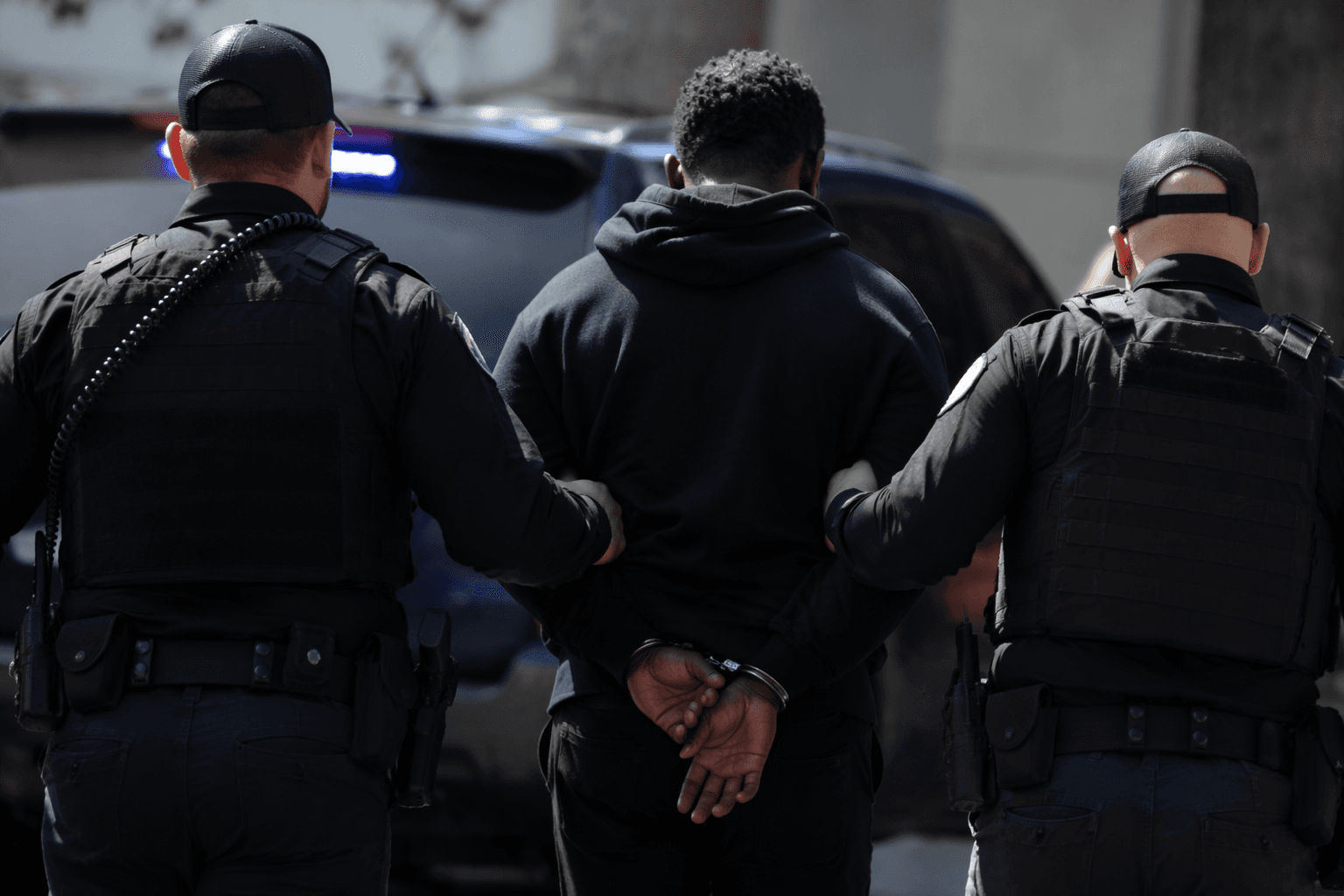
Transcripts show shooter plotted Brown attack for at least six semesters
Federal prosecutors released translated video transcripts from a device where the suspect's body was found; the recordings do not explain why the attacks happened.
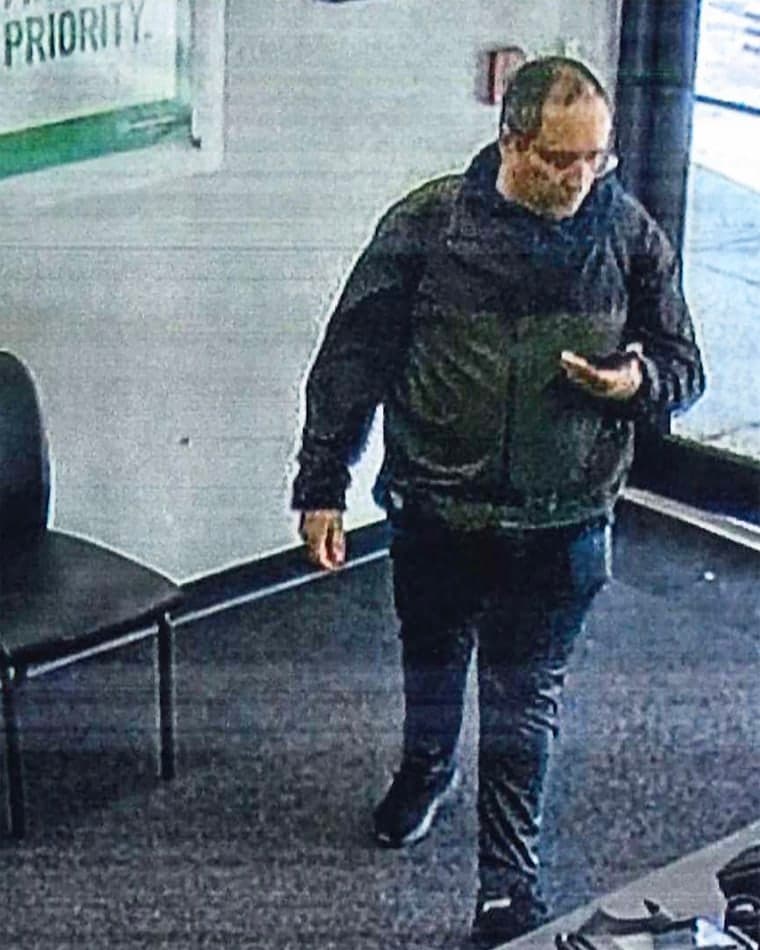
Federal prosecutors released transcripts of short videos recovered from an electronic device stored in a unit where authorities later found Claudio Neves Valente’s body. Valente, 48, a Portuguese national and former Brown student, is the person law enforcement says carried out the Dec. 13 mass shooting at Brown University that killed students Ella Cook, 19, and MukhammadAziz Umurzokov, 18, and wounded nine others, and later fatally shot MIT professor Nuno F.G. Loureiro at his Brookline home.
The translated statements indicate Valente said he had been working out details for at least six semesters. He repeatedly declined to offer remorse or a clear motive and denied speaking Arabic at the scene, a direct rebuttal to misinformation that circulated online. He also said he did not seek fame and did not view the recordings as a manifesto. Federal prosecutors noted the videos do not explain motive and investigators continue to pursue leads.
Investigators pieced the case together through a combination of a witness account and social-media tips that helped connect a vehicle to Valente. That digital trail, along with forensics and on-the-ground witness work, led law enforcement to the storage unit and the device that contained the videotaped statements.
For the True Crime community and local residents, these developments matter for two reasons: first, the material confirms premeditation over an extended period rather than a sudden outbreak of violence; second, the recordings underscore how quickly misinformation can spread after an attack and the risk that false narratives will complicate investigations. Verify sources. Do not amplify unconfirmed claims about motive, language, or intent before investigators release evidence.
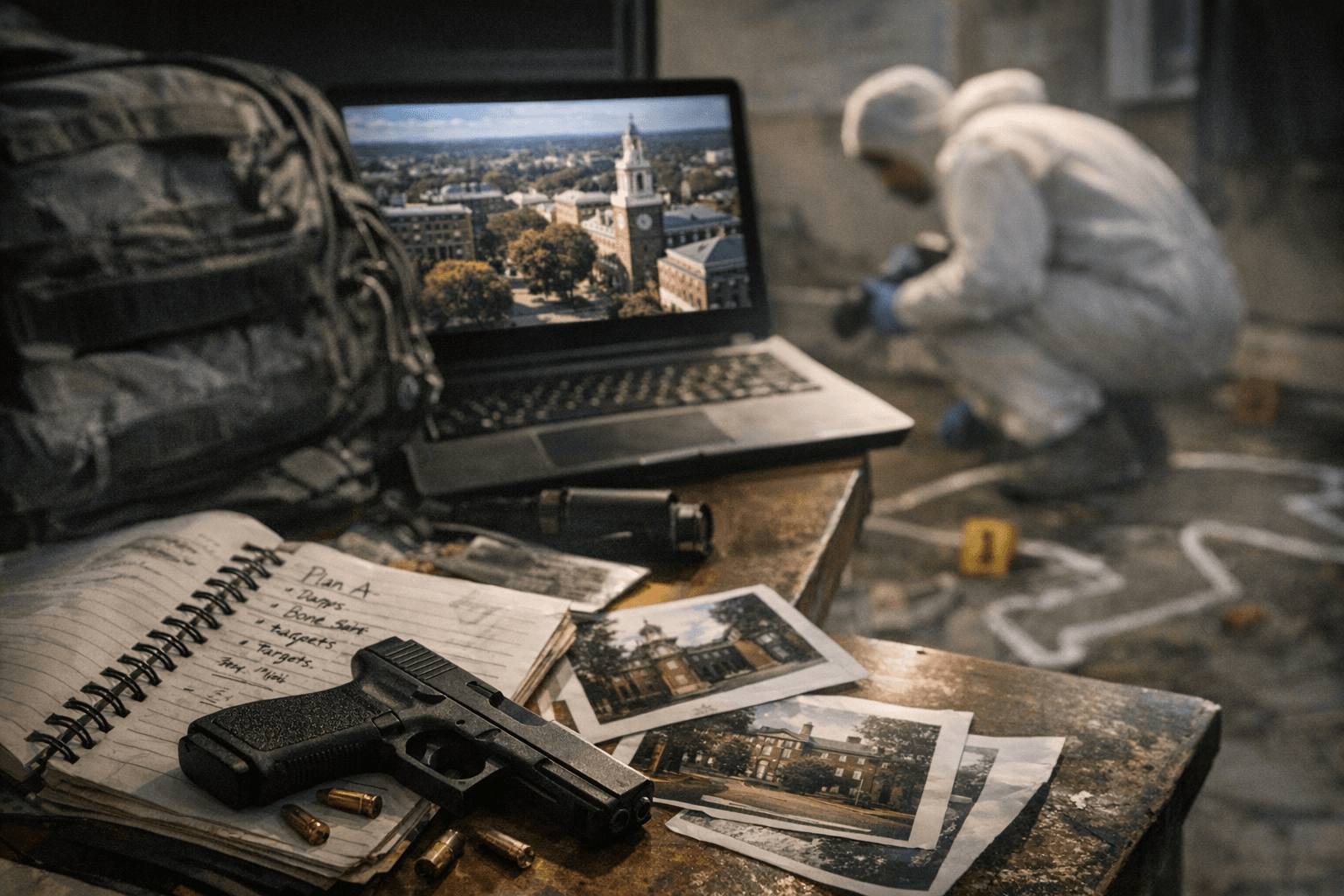
The case also highlights familiar investigative threads: digital evidence living on secondary devices or in storage units, the value of tips from witnesses and social feeds, and how prosecutors treat recorded statements during charging and discovery. Those tracking the case will want to watch for forensic timelines, communications analysis, and any financial or digital footprints that could clarify planning and contact networks.
The victims and their families remain central to this story. Community safety debates on campus security, mental health access, and threat reporting will persist as officials and residents parse what the recordings reveal and what they do not.
The takeaway? Treat digital clips and social chatter with healthy skepticism, pass along credible tips to law enforcement, and prioritize facts over rumor. If you follow the case, focus on evidence that advances the investigation rather than speculation that feeds the noise.
This article was produced by Prism’s automated news system from verified source data, official records, and press releases, then run through automated quality and moderation checks before publishing. The system is built and supervised by the people who set the standards it runs under. Read our full AI policy.
Did this article answer your question?