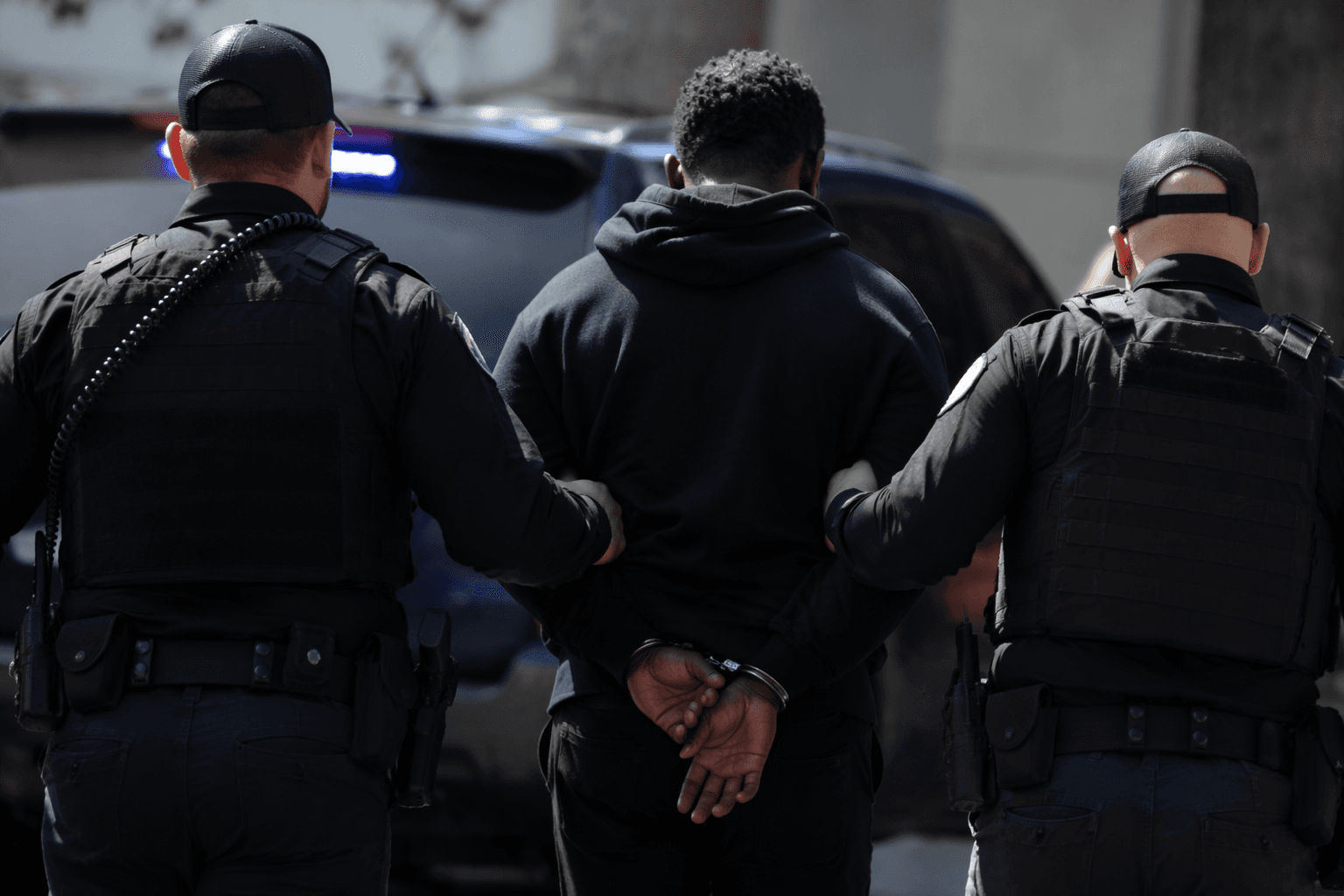
Trial begins for Brendan Banfield accused in staged double killing
Read an overview of the charges, contested evidence, au pair plea, and what to watch as the Fairfax trial unfolds. Practical angles for following this high-profile true crime case.
1. Case overview and charges
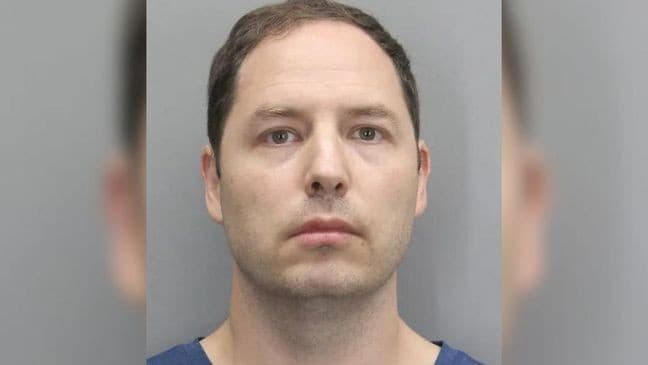
The case centers on Brendan Banfield, who was indicted on aggravated murder charges in the February 2023 deaths of his wife, Christine Banfield, and a family friend, Joseph Ryan. The trial opened in Fairfax, Virginia, on Jan. 12, 2026, and the prosecution is presenting a theory that shifts this from a random intruder attack to an alleged conspiracy. You’ll get clarity on the core allegations and the additional child-abuse charge tied to the couple’s daughter being present.
2. Prosecution’s central theory
Prosecutors allege that Banfield conspired with the family’s Brazilian au pair, Juliana Peres Magalhães, to fabricate an online persona in Christine’s name and lure Ryan to the home. They say the killing was staged to look like an intruder attack, which frames motive, planning, and deception as key strands of the case. Understanding this narrative helps you parse why digital evidence and online profiles are front-and-center at trial.
3. The au pair plea and its significance
Juliana Peres Magalhães pleaded guilty to a reduced manslaughter charge and has provided a statement prosecutors say aligns with their version of events. Her plea converts a primary witness into a cooperating party whose testimony (and any sentencing deal) can become a hinge point in the trial. For followers of true crime, that shift often means prosecutors can present a behind-the-scenes account, while defense teams attack credibility and motivation for cooperation.
4. Banfield’s plea and additional child-abuse charge
Brendan Banfield has pleaded not guilty and faces, in addition to aggravated murder, child-abuse charges because his young daughter was present during the incident. That added count raises the stakes legally and emotionally, and it expands the pool of potential testimony about what happened inside the home. For the community, the child-abuse allegation also reframes the story from one of private tragedy to one of broader public concern about child safety.
5. Defense challenges to the investigation
Defense attorneys are contesting investigative steps and arguing that competing forensic and digital-forensics interpretations exist within the record. Expect defense experts to highlight alternative readings of the same data, challenge chain-of-custody or search procedures, and cast doubt on prosecution timelines. Those tactics are classic defense playbooks in cases relying heavily on technical evidence, and they can influence how jurors perceive certainty.
6. Why digital evidence matters here
Digital-forensics testimony is a contested battleground in this trial; prosecutors rely on online messages, profile creation timestamps, and device data to tie planning to specific actors. But the defense points to competing interpretations of that same metadata, arguing that digital breadcrumbs can be ambiguous or misattributed. For followers of true crime, this is a teachable moment about how digital trails are powerful but not always airtight, small technical details can tip a case.

7. Forensic disputes beyond the digital trail
Beyond online records, the case record contains competing forensic explanations about the physical scene, timeline, and manner of death. When experts disagree, juries must weigh credibility, method, and assumptions, so expect detailed dueling testimony about techniques, error margins, and what the evidence can truly show. This underscores why expert cross-examination is often a turning point in complex criminal trials.
8. The dueling narratives about who initiated contact
A key factual tug-of-war involves which party initiated contact with Ryan and how the meeting was arranged, prosecutors say the fake profile lured him, while defense counsel disputes that reading of the digital interaction. Who texted first, who sent links or messages, and how profiles were created will all be parsed in court. For community readers tracking motive and intent, those details go straight to the heart of culpability and premeditation.
9. Community implications and practical takeaways
This case raises practical questions about vetting caregivers, protecting personal and family accounts, and how easy it can be to weaponize online identities. You can use this as a prompt to review privacy settings, double-check who has access to household information, and maintain records of unusual communications. The community impact also touches immigrant worker dynamics, the au pair’s role and plea may spur local conversations about support, rights, and the pressures on domestic workers.
10. What to watch as the trial progresses
Key moments to monitor include Magalhães’s in-court testimony (if called), the digital-forensics experts’ dueling explanations, any dispositive physical-forensics demonstrations, and jury instructions concerning digital evidence. Pay attention to how the judge rules on admissibility of contested exhibits and whether plea-related cooperation details are fully disclosed. These procedural moves often shape public understanding as much as the headline testimony.
Our two cents? This case is a reminder that modern true crime increasingly hinges on digital footprints as much as fingerprints; stay curious, protect your online presence, and treat every unfamiliar message as a potential red flag.
This article was produced by Prism’s automated news system from verified source data, official records, and press releases, then run through automated quality and moderation checks before publishing. The system is built and supervised by the people who set the standards it runs under. Read our full AI policy.
Did this article answer your question?