Vermont Judge Tosses DNA Evidence in 1989 Danby Double-Murder Cold Case
A Vermont judge tossed the only DNA evidence linking 83-year-old Michael Louise to the 1989 murders of his in-laws, leaving prosecutors scrambling for a case that may not exist.

Michael Louise, an 83-year-old New York man who can no longer walk, faces two counts of murder for the 1989 killings of his wife's parents, George and Catherine Peacock, in Danby, Vermont. The case against him just got significantly harder to prosecute.
Rutland Superior Court Judge Cortland Corsones excluded the blood evidence at the center of the prosecution in a nine-page ruling last month, finding that the state could not adequately prove where the sample actually came from. The ruling prompted defense attorney Daniel Sedon to file a motion to dismiss the entire case, and sent Deputy Bennington County State's Attorney Jared Bianchi racing to the Vermont Supreme Court with an appeal.
The evidence in question was a spot of blood found inside Louise's car in 1989. Vermont State Police said they cracked the cold case when, after more than 30 years, a 2020 DNA test matched that blood to victim George Peacock. The problem: the officer who originally collected the sample from the vehicle is now dead, and no live witness remained to confirm the chain of custody connecting the 1989 floor mat to the 2020 laboratory analysis.
Prosecutors tried to fill that gap with records and statements documenting the evidence's handling, but Corsones found the paper trail insufficient. "Based upon the evidence presented, and proffered, the court concludes that the State lacks sufficient evidence to authenticate that the sample tested in 2020 is from a floor mat collected from the defendant's vehicle in 1989," Corsones wrote. He noted his decision was supported by precedents from other jurisdictions, and that the cases cited by prosecutors in counterargument were too different to apply.
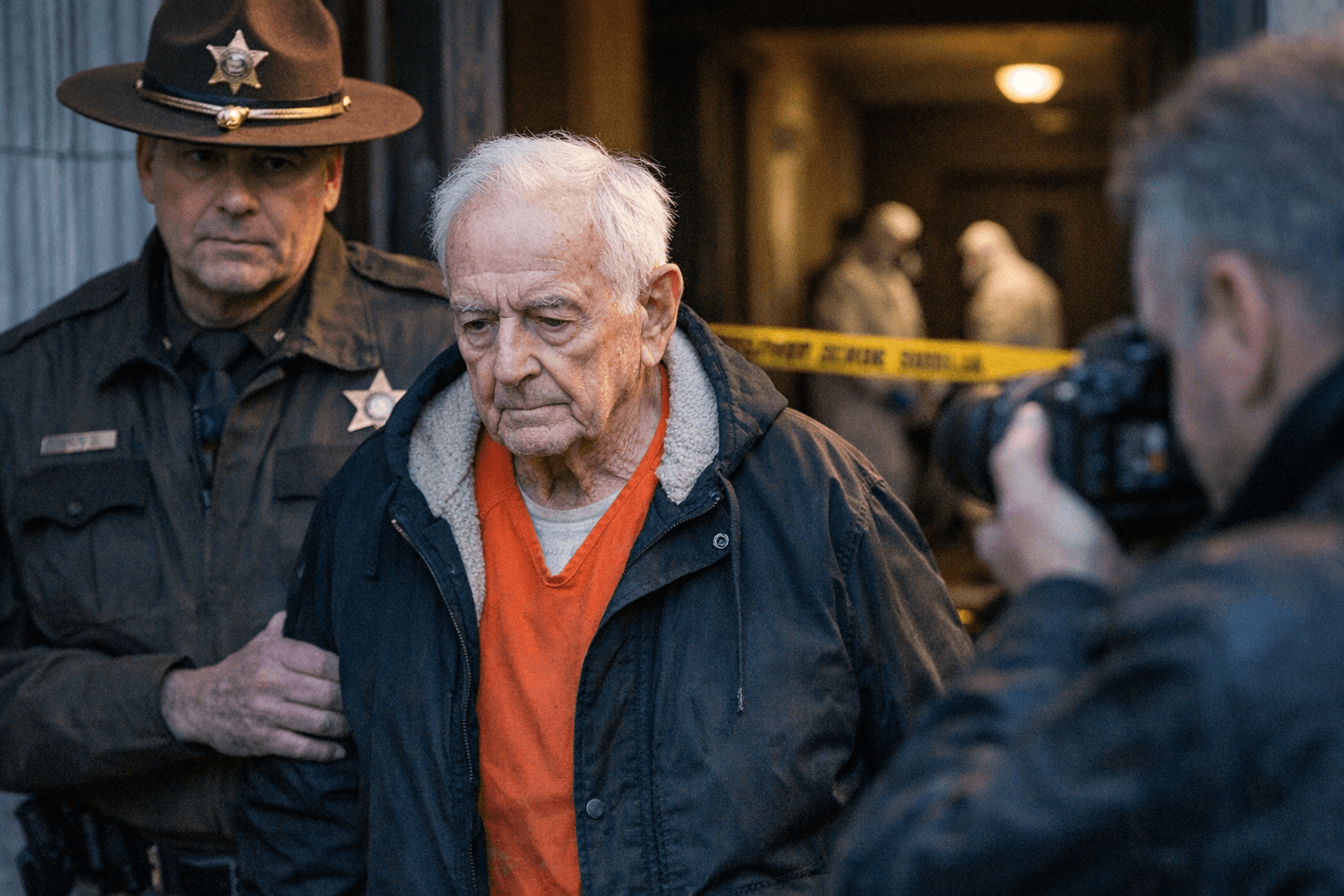
Sedon's dismissal motion leans directly on the judge's own prior observation that the prosecution had little holding it together outside the blood evidence. "With this development, the State lacks substantial, admissible evidence of guilt and the case should be dismissed," the motion reads. Louise's bail was reduced from $20,000 to $100 the week the reporting broke, reflecting his deteriorating health.
Bianchi is handling the case through a staffing shortage at the Rutland County State's Attorney's office, a logistical wrinkle that adds another layer of institutional strain to an already complicated prosecution. Whether the Vermont Supreme Court reverses Corsones' authentication ruling will determine whether a murder case more than three decades in the making survives at all.
The situation illustrates what has become a recurring nightmare in cold-case prosecution: DNA technology powerful enough to identify a match after 30 years, rendered inadmissible because the person who bagged the evidence never expected to be unavailable to testify.
This article was produced by Prism’s automated news system from verified source data, official records, and press releases, then run through automated quality and moderation checks before publishing. The system is built and supervised by the people who set the standards it runs under. Read our full AI policy.
Did this article answer your question?