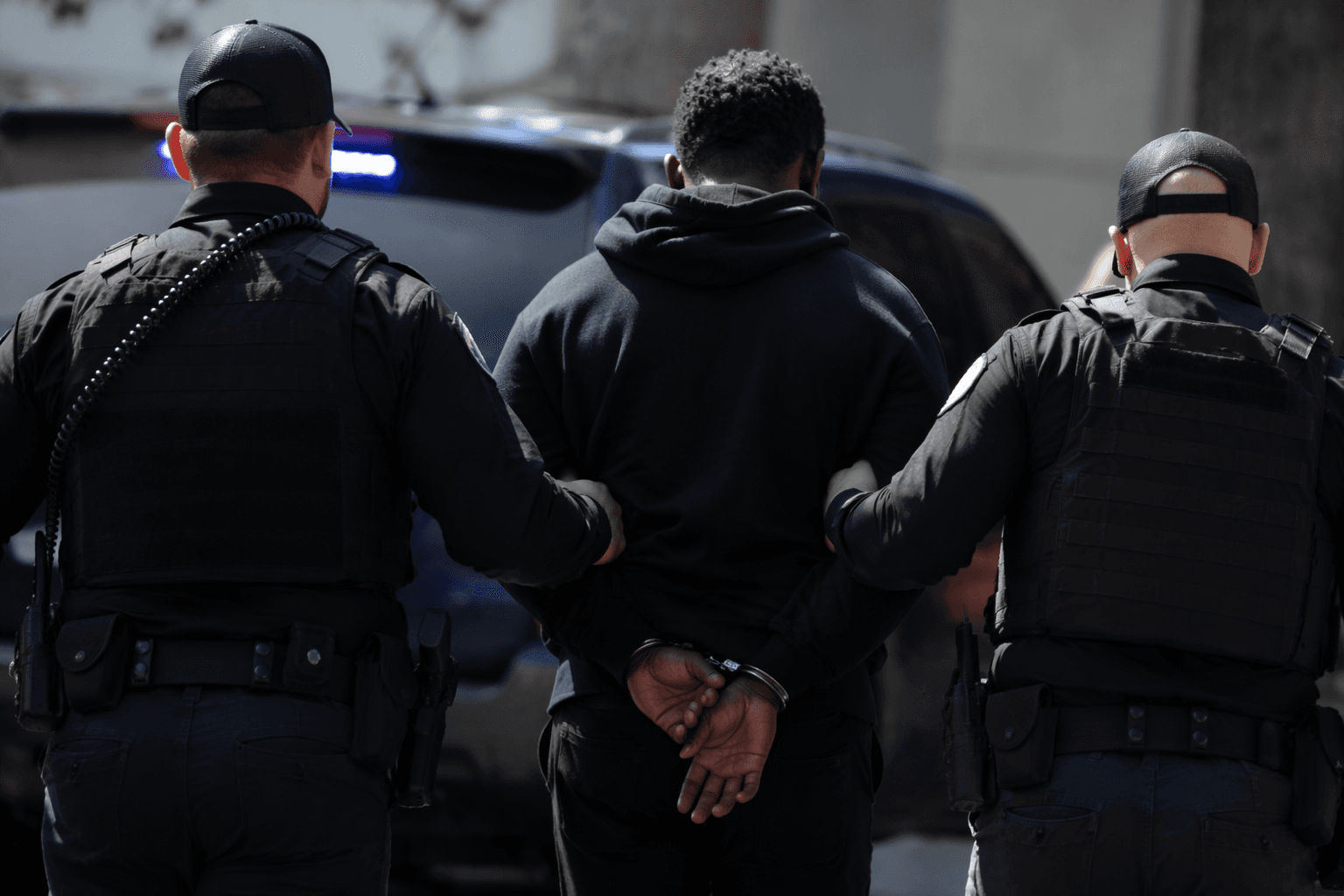
Wife Testifies Husband Beat Her With Rock, Tried to Push Her Off Cliff
One year to the day after the alleged attack, Arielle Konig told jurors her anesthesiologist husband beat her with a rock and tried to push her off a 700-foot cliff.

An anesthesiologist who spent his career managing life and death in operating rooms now faces a jury's judgment over whether he turned that clinical precision into violence against his wife on an Oahu cliff trail.
Arielle Konig took the stand in a Honolulu courtroom and told jurors that her husband, Gerhardt Konig, 47, struck her repeatedly in the face and head with a rock and tried to push her off a cliff on the Pali Puka hiking trail on March 24, 2025. At one point during the attack, she screamed, "He's trying to kill me," before managing to escape. Exactly one year later, on March 24, 2026, she recounted that ordeal before the jury now tasked with deciding whether Konig should be convicted of second-degree attempted murder and assault.
The hike itself was a birthday outing. Prosecutors have framed the trail's physical character as significant to understanding what allegedly happened: the Pali Puka trail, known among Oahu hikers for its exposed ridgelines and sheer drops, placed the couple hundreds of feet above the ground with no immediate witnesses nearby. Prosecutors emphasized the severity of Arielle's injuries and what they characterized as a one-sided assault, arguing Konig's actions were deliberate rather than reactive.
The defense has offered a sharply different account. Konig has pleaded not guilty, and his attorneys argued that the confrontation escalated after he accused Arielle of having an affair, at which point they contend she became physically aggressive. The defense positioned the event as a struggle that spun out of control, not a premeditated attack, asking jurors to weigh the credibility of a single eyewitness recounting a traumatic and chaotic moment.
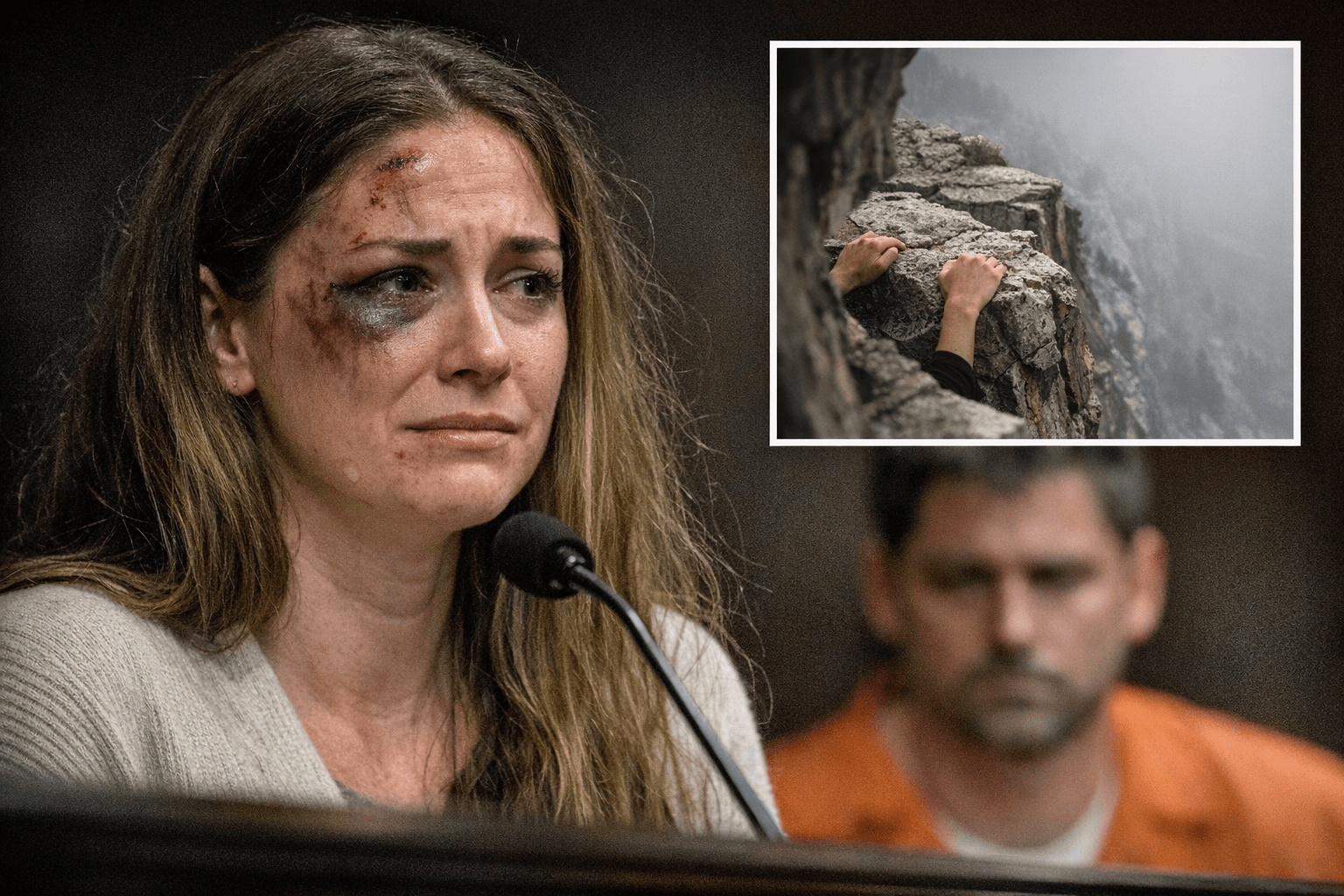
That credibility question sits at the heart of the trial. Arielle's testimony is the prosecution's most direct evidence of intent. Without corroborating witnesses, jurors must decide whose version of events on that trail is more believable, and legal analysts have noted that cases built on a single eyewitness and trauma-affected memory can be among the most unpredictable to resolve.
Konig's medical background adds a dimension that shades every piece of testimony. A trained anesthesiologist understands human physiology with uncommon precision: how bodies sustain damage, how exposure and blunt force interact, how quickly a person can be incapacitated. Prosecutors have not charged him with weaponizing that knowledge explicitly, but the context is difficult to set aside in a case where the alleged method was so physically targeted.
If convicted, Konig faces substantial prison time and near-certain loss of his medical license. The trial is ongoing in Honolulu.
This article was produced by Prism’s automated news system from verified source data, official records, and press releases, then run through automated quality and moderation checks before publishing. The system is built and supervised by the people who set the standards it runs under. Read our full AI policy.
Did this article answer your question?