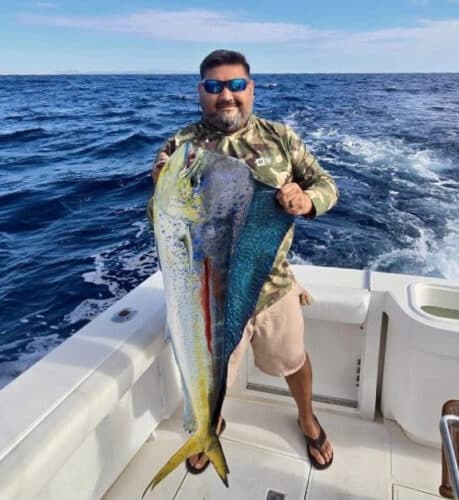
Bermuda Offshore Bite Wakes Up With Yellowfin Tuna, Trophy Wahoo
Bermuda’s offshore bite is showing real life, but the weather has kept it from becoming a full-on push. A few yellowfin and trophy wahoo now may be the first clean signal that the bluewater season is about to break wide open.
A cautious green light on Bermuda’s edge
Bermuda’s offshore scene is starting to show its hand. The early read is not a blowout, but it is enough to get attention: a few yellowfin tuna are already showing, wahoo are in the mix, and some of those wahoo are true bruisers at more than 100 pounds. That matters because Bermuda’s spring bite has a habit of whispering before it shouts, and this is the first meaningful signal that the bluewater season is waking up.

The catch, as always this time of year, is weather. Effort has been limited over the last couple of weeks, which means the picture is still developing rather than settled. In practical terms, that makes this an early-season status check, not a verdict. There is enough there to justify planning, but not enough to pretend the offshore fishery has fully turned on.
Why yellowfin and wahoo tell the real story
Yellowfin are the species that make an early Bermuda report feel legitimate. When they start showing up, especially alongside decent wahoo, it usually means the water is getting right and the offshore food chain is beginning to organize itself. For crews running tuna trips, that is the first fish to pay attention to because it gives a clearer read on whether the run is becoming repeatable.
The wahoo tell a different part of the story. Big wahoo are the classic Bermuda wildcard, the kind of bycatch that can transform a decent day into a long-fuel, heavy-ice, story-for-years trip. When the report includes fish over 100 pounds, that is not just noise, it is a sign that mature predators are already moving through the area with intent.
The calendar is pointing toward the real window
Bermuda’s traditional offshore peak has always lived in the May-through-November stretch. That long window is not just local lore, it is the historical period the Bermuda Fishing Information Bureau has described as the island’s best fishing season. Go To Bermuda backs that up with its own seasonal guidance, putting prime deep-sea fishing from May through October or November, with blue marlin most likely from June through August.
That timing matters because April fish are often the first page of the story, not the ending. When yellowfin and wahoo are already around before the main window opens, the next step is watching whether the bite expands with warmer water, steadier weather, and more boats able to get out. If that happens, Bermuda shifts fast from “encouraging” to “busy.”
What the weather-limited effort really means
The limited effort over the last couple of weeks is the biggest reason to stay measured. Weather can hide a lot in Bermuda, especially when the fish are mobile and the bite is short-lived. A light report in a weather-restricted stretch does not always mean a weak fishery, it can simply mean fewer boats had enough time to sample the right water.
That is why this stage of the season should be read as a tease with teeth. The fish are there, but the sample size is still small. The next clean run of trips will tell the truth, especially if multiple boats report similar action instead of a single standout day carrying the whole narrative.
What would confirm a reliable pattern next
The clearest confirmation will be consistency, not just one or two headline fish. If yellowfin keep showing up on successive trips and the wahoo continue to mix in around the same routes, that is the kind of repeatable pattern crews can work with. A reliable bite in Bermuda usually means the water has settled into the right temperature bands and the fish are holding long enough to be targeted, not just passing through.
A few signs would make the case stronger quickly:
- Multiple boats getting similar yellowfin and wahoo results on the same stretch of water.
- Reports of fish coming from the same banks or edge structure over more than one trip.
- More anglers turning to chumming for yellowfin as the fish become more willing to hang around.
- Continued sightings of larger wahoo, not just school-size fish.
- A steady rise in effort once the weather gives crews enough time to run.
That last point is important because Bermuda’s offshore fishery can change fast. The old 2024 note that wahoo can sweep around Bermuda’s perimeter in two or three days still fits the island’s rhythm. A brief window can be enough to light up the whole edge.
Where crews are looking
Recent offshore coverage has repeatedly pointed to Bermuda’s Edge and Challenger Bank as the kinds of places that produce when the bite is active. Those names are not just map markers, they are the sort of grounds that let crews translate a general seasonal hunch into a real plan. When the report starts mentioning those areas alongside yellowfin and wahoo, it gives the bite some geography instead of leaving it as rumor.
That geography also explains why Bermuda stays so appealing. Go To Bermuda notes that anglers can reach the deep-water edge in less than half an hour from shore on some charters. In other words, crews do not need a marathon run to get to blue water, which is part of why even an early-season pulse is worth watching closely. A short run and the right water can make a huge difference in fuel, time, and expectation.
The tournament calendar adds another clue
The Bermuda Game Fishing Association has now released its 2026 Tournament Schedule, and that is not a small detail. In Bermuda, the release of the seasonal calendar does more than organize events, it signals that the local fishing community is shifting into the next gear. When tournament dates are in hand this early, crews can start planning around the part of the year when the fishery is expected to build.
That kind of schedule also gives context to the bite itself. Tournament calendars do not create fish, but they do reflect confidence that the coming stretch will matter. When paired with the early yellowfin and trophy wahoo reports, the schedule makes this feel less like a rumor and more like the first organized step into the season.
The read for crews deciding whether to go
Right now, the smartest move is not to chase every weather window blindly, but to treat each trip as a test of whether the pattern is becoming dependable. The fish are there enough to matter, especially the yellowfin and the big wahoo, but the offshore conversation is still being shaped by weather and limited samples. That makes timing, fuel burn, and expectations the real decision points.
For crews willing to watch closely, the message is encouraging. Bermuda’s offshore bite is not fully open yet, but it is clearly stirring, and when that island starts to go, it usually goes fast.
This article was produced by Prism’s automated news system from verified source data, official records, and press releases, then run through automated quality and moderation checks before publishing. The system is built and supervised by the people who set the standards it runs under. Read our full AI policy.
Did this article answer your question?