Big Pine Key wrecks produce blackfin tuna, mahi, wahoo, and more
Big Pine Key wrecks turned up blackfin tuna, mahi, wahoo and a bonus sailfish, with snapper and grouper making the trip pay even when tuna were the target.
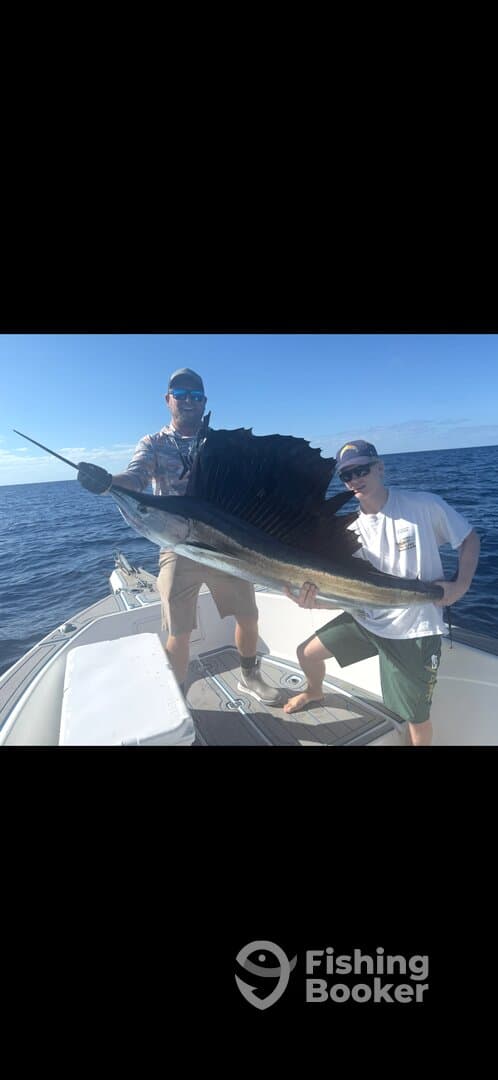
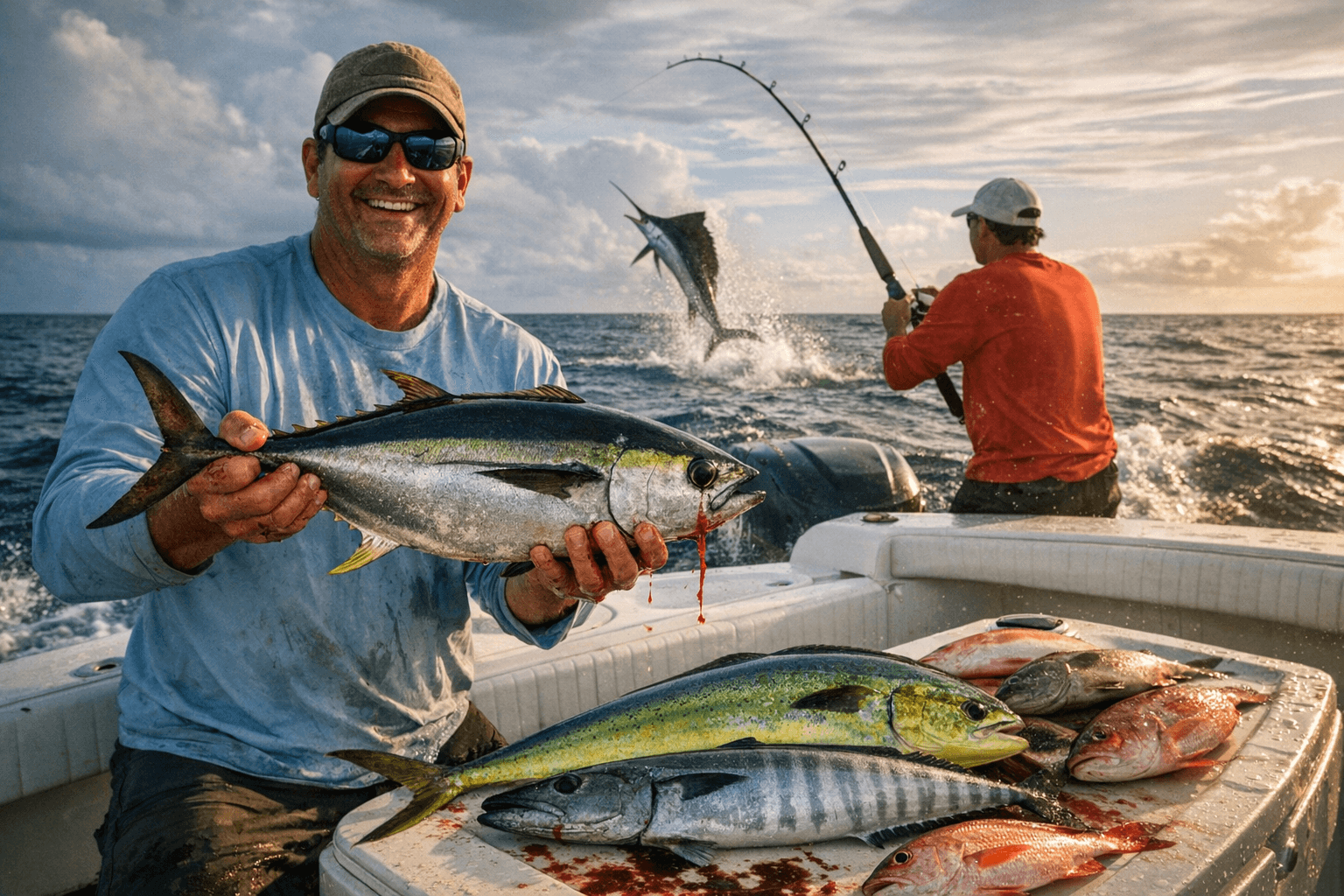
Big Pine Key wrecks gave tuna hunters a clear answer on one of spring’s toughest decisions: if you want blackfin and still want to come home with meat in the box, the wreck trip looked worth it. The April 12 Big Pine Key report showed blackfin tuna mixed in with mahi mahi, wahoo and a bonus sailfish, while the bottom bite added goliath grouper, red grouper, permit, mutton snapper, yellowtail snapper and tarpon to a day that never pinned itself to one species.
That mix matters because blackfin tuna in the Keys are rarely an isolated bite on a straight tuna run. Around Big Pine Key, the wreck and bridge pattern can stack life in one zone, and that is exactly what this report reflected. If the tuna window opens, you can fish them as part of a broader wreck program without giving up the table-fish side of the day. If the tuna are finicky, the same grounds still offer mutton snapper, yellowtail snapper, grouper and permit, which keeps a charter from turning into a long, empty offshore grind.
The timing also fit the calendar. Blackfin are often strongest in South Florida and the Keys in April and May, and this catch landed right in that spring lane. For anglers deciding between a dedicated offshore tuna trip and a wreck-hop closer to the Lower Keys, that matters. Wrecks give you multiple cracks at the day: tuna when they slide through, snapper when they don’t, and a chance at mahi, wahoo or even a sailfish when the water and bait are working.
Big Pine Key’s broader setting helps explain why the pattern is so productive. The Florida Keys National Marine Sanctuary holds coral reef, seagrass, mangrove, hard-bottom, sand and mud-flat habitats, and NOAA says nearly 6,000 marine species live there. NOAA also says the sanctuary contains many hundreds of shipwrecks, with nine historic sites on the Shipwreck Trail, which is part of why wreck fishing remains such a durable piece of the Keys game.
For tuna anglers, the regulatory picture is straightforward enough to plan around. Florida Fish and Wildlife Conservation Commission rules treat blackfin tuna as a native species with no minimum size limit, and recreational harvest is capped at 2 fish per person per day or 10 fish per vessel, whichever is greater. Tarpon are catch-and-release only in Florida, and sailfish must be released if not retained under the applicable rules, so the report’s bonus billfish and tarpon activity adds flavor without changing the main call: when the wrecks are producing blackfin plus snapper and wahoo, they are a smart play for anyone who wants tuna action and a real chance at dinner too.
This article was produced by Prism’s automated news system from verified source data, official records, and press releases, then run through automated quality and moderation checks before publishing. The system is built and supervised by the people who set the standards it runs under. Read our full AI policy.
Did this article answer your question?