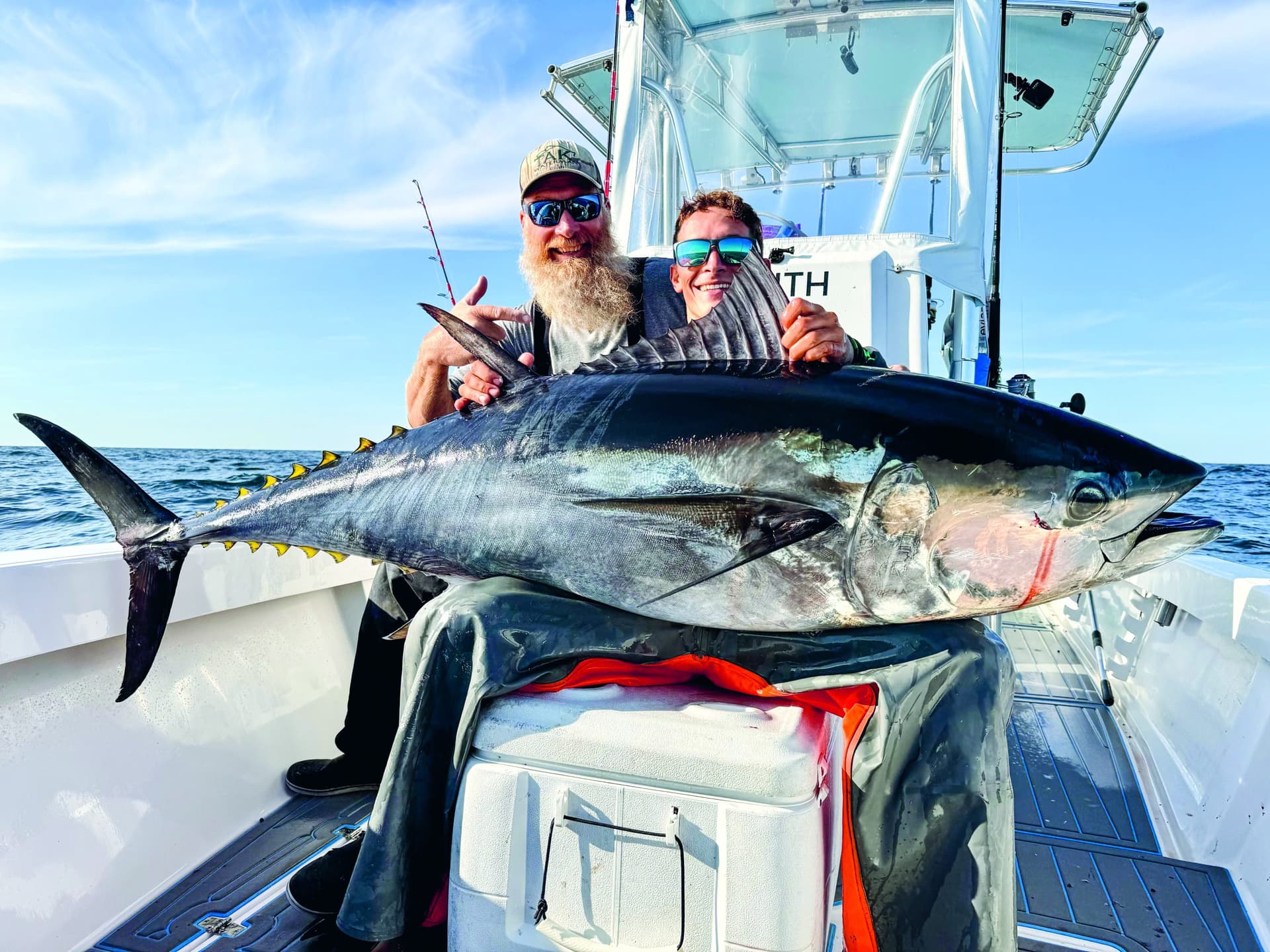
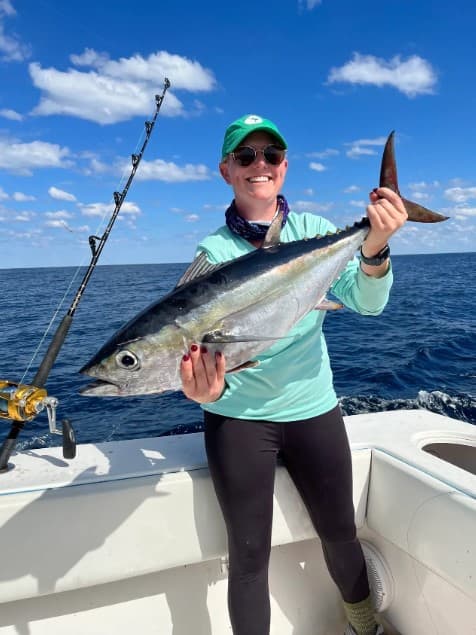
Space Coast forecast signals prime offshore tuna window this week
East winds, 3-to-4-foot seas, and the Gulf Stream edge 33 miles out make this a real tuna shot, not a wait-and-see week.
Prime offshore window, with a clear target
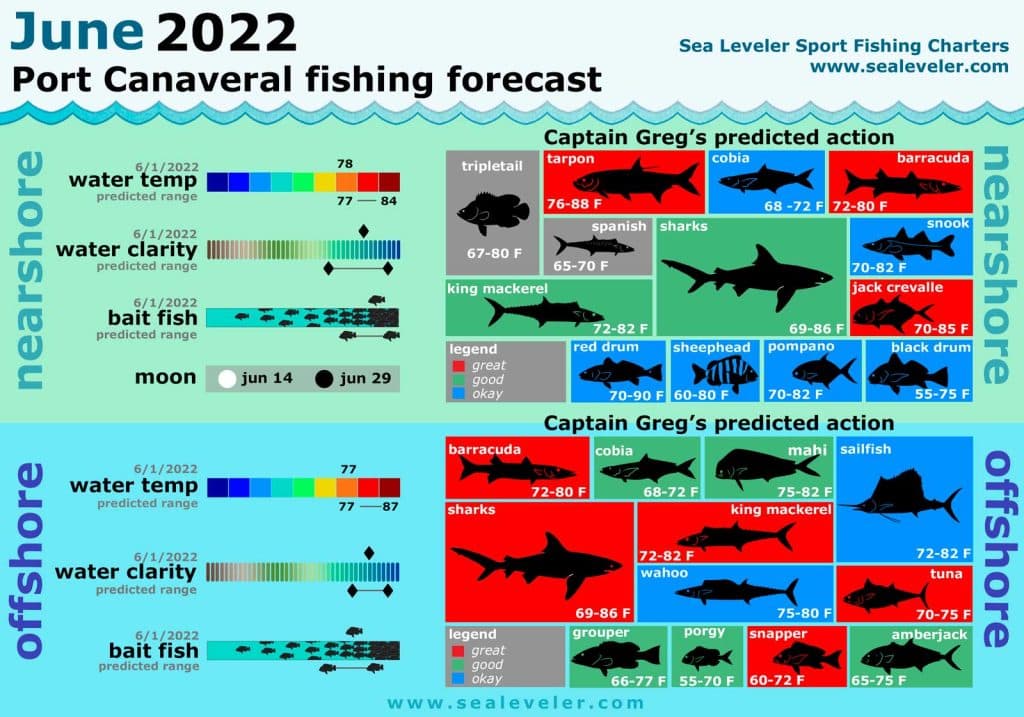
The Space Coast is lining up for a legitimate offshore push, and tuna crews have enough in the setup to run now. SpaceFish’s June 2 through June 8 forecast points to lighter winds, calmer seas, and a June bite that is turning on across central Florida, while NOAA and the National Weather Service put the west wall of the Gulf Stream about 33 nautical miles east of Port Canaveral with no Gulf Stream hazards listed. That is the kind of read that tells yellowfin crews the run is workable and the offshore lane is open.
What the weather is really saying
The local marine forecast for June 5 calls for east winds around 10 knots and seas of 3 to 4 feet. That is not flat calm, but it is a manageable window for boats built to make a real offshore run, especially when the bigger picture says conditions are improving rather than deteriorating. For tuna, that matters because the difference between a tough crossing and a clean run can decide whether a crew reaches the edge early enough to fish it properly.
SpaceFish frames the week as part of the Space Coast’s seasonal rhythm, and that matches what the water forecast suggests. The report’s tone is not about a storm clearing out or a miracle bite blowing up overnight; it is about the offshore environment settling into a better pattern. When winds ease and seas trim down, crews can stay on the grounds longer, cover more water, and fish the Gulf Stream edge without burning the whole day fighting the ride.
Why the Gulf Stream edge matters now
The most useful water detail in the forecast is the west wall of the Gulf Stream sitting roughly 33 nautical miles east of Port Canaveral. That gives tuna boats a specific lane to work instead of an undefined blue-water search, and it lines up with the kind of offshore decision-making that separates a casual run from a serious effort. With no Gulf Stream hazards called out, the forecast suggests a cleaner offshore push than anglers often see when June weather starts to get busy.
For tuna, that is the core of the setup: a reachable edge, no hazard flag, and enough weather slack to make the trip practical. The forecast does not guarantee fish, but it does remove one of the biggest reasons to stay home. If the boat is ready and the crew wants a shot at yellowfin, this is the sort of chart that justifies the fuel burn.
Tournament energy is pushing the docks
Cape Canaveral’s Offshore Slam gives the week an extra pulse. SpaceFish highlights the 57th Annual FSFA Offshore Slam on June 6 at Sunrise Marina, with $25,000 in cash prizes and a public weigh-in that is sure to pull attention from the whole offshore crowd. The tournament-day energy matters beyond the event itself because a busy weigh-in and a packed dock usually mean more eyes on the water, more chatter about where the offshore bite is setting up, and more crews willing to make the run.
The schedule is tight and specific. The captains party is set for June 5 at 5:30 p.m. at Grills Seafood Deck & Tiki Bar in Cape Canaveral. Tournament and awards follow on June 6 at Sunrise Marina in Port Canaveral, with weigh-in beginning at 2:00 p.m. That timing puts the fleet in motion right as the weather window is shaping up, which is exactly when the offshore scene tends to sharpen.
The event listing also shows how serious the payout structure is. Prizes go to the five largest catches in each of four eligible species, with a guaranteed payout of $3,000 per species, plus three bonus fish. Big Fish is set at $5,000, and the SLAM prize is another $5,000. That kind of money does more than build hype. It keeps boats targeting the offshore grounds hard, and that pressure can spill into the broader tuna scene around Port Canaveral and the surrounding fleet.
What the local reports are signaling
SpaceFish is useful here because it is not a one-note tournament page. It describes itself as a community-driven weekly report covering offshore, inshore, surf, jetty, and pier fishing from Sebastian Inlet to Port Canaveral, which makes it a solid barometer for what the Space Coast is feeling as a whole. In this week’s forecast, it also folds in recent local updates from contributors, including offshore action around Port Canaveral that has been productive enough to draw attention from the community.
That is the bait-and-water signal tuna anglers care about most. The report is not screaming about a single red-hot tuna pileup, but it is pointing to active offshore water, improving conditions, and a dock scene that is already buzzing. When the community starts talking with more confidence than it did a week earlier, that usually means the seasonal switch is getting flipped in the right direction.
Regulations keep tuna in the mix
Florida’s recreational saltwater rules, issued in January 2026, keep the tuna piece straightforward. Blackfin tuna, Atlantic bonito, and little tunny are open year-round with no minimum size limit. The daily bag limit is two fish or 100 pounds, whichever is greater. That matters because it gives crews a flexible target even when other offshore plans get complicated by seasonal restrictions.
For Space Coast tuna crews, those rules make the fish worth keeping on the radar any time the weather opens a lane offshore. The regulations do not create the bite, but they do make it easier to act when the water and weather line up. In a week like this, that simplicity is part of the appeal.
Bottom line for tuna crews
This is the kind of setup that justifies a run. The Space Coast has a reachable Gulf Stream edge, no hazards flagged, east winds around 10 knots, and seas in the 3-to-4-foot range, all while the Offshore Slam brings tournament pressure and dock heat to Sunrise Marina and Port Canaveral. SpaceFish’s read is not just that summer is arriving, but that the offshore window is opening enough to matter.
If you are deciding whether to launch, the answer is clear: there is enough in this week’s forecast to go now, not enough reason to wait.
This article was produced by Prism’s automated news system from verified source data, official records, and press releases, then run through automated quality and moderation checks before publishing. The system is built and supervised by the people who set the standards it runs under. Read our full AI policy.
Know something we missed? Have a correction or additional information?
Submit a Tip