UK suspends tuna tariffs to cut prices and aid Maldives fishermen
UK shoppers are set to see cheaper tuna as tariffs are suspended, while Maldivian handline boats gain easier access to the market.
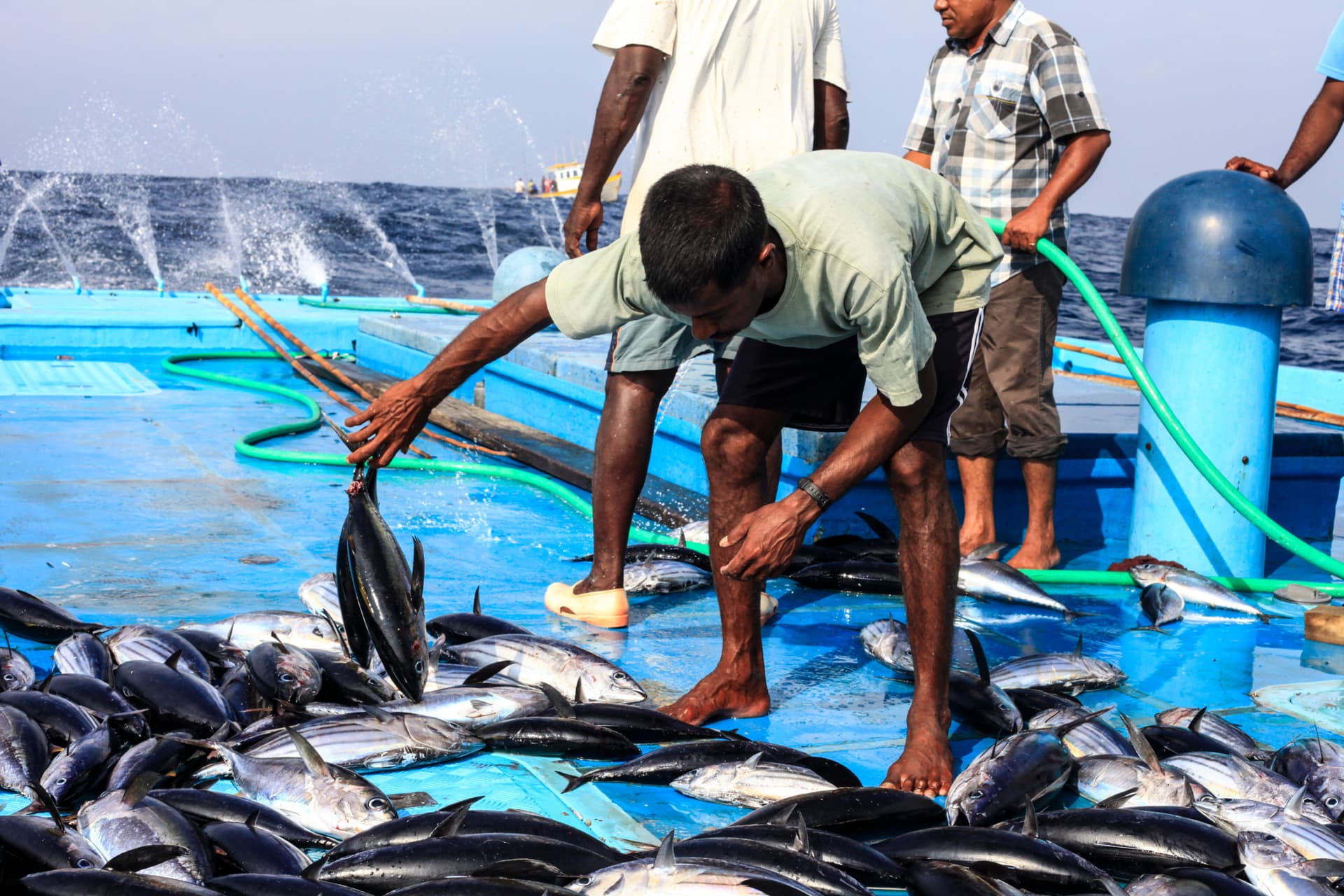
The UK has suspended tariffs on tuna imports, a move aimed at cutting prices for British shoppers while giving Maldivian fishermen better access to the market. For the tuna trade, the immediate story is not a new run on the water but a shift in how tuna moves, is priced, and is sold on the shelf.
The biggest practical effect lands in retail and food service. If tariff-free tuna comes in cheaper from the Maldives, supermarkets, fish counters, and restaurants can put less pressure on margins or pass some of the savings on to customers. That makes the policy a consumer-price play first and a fishing-community boost second, even if both sides of the trade stand to gain.
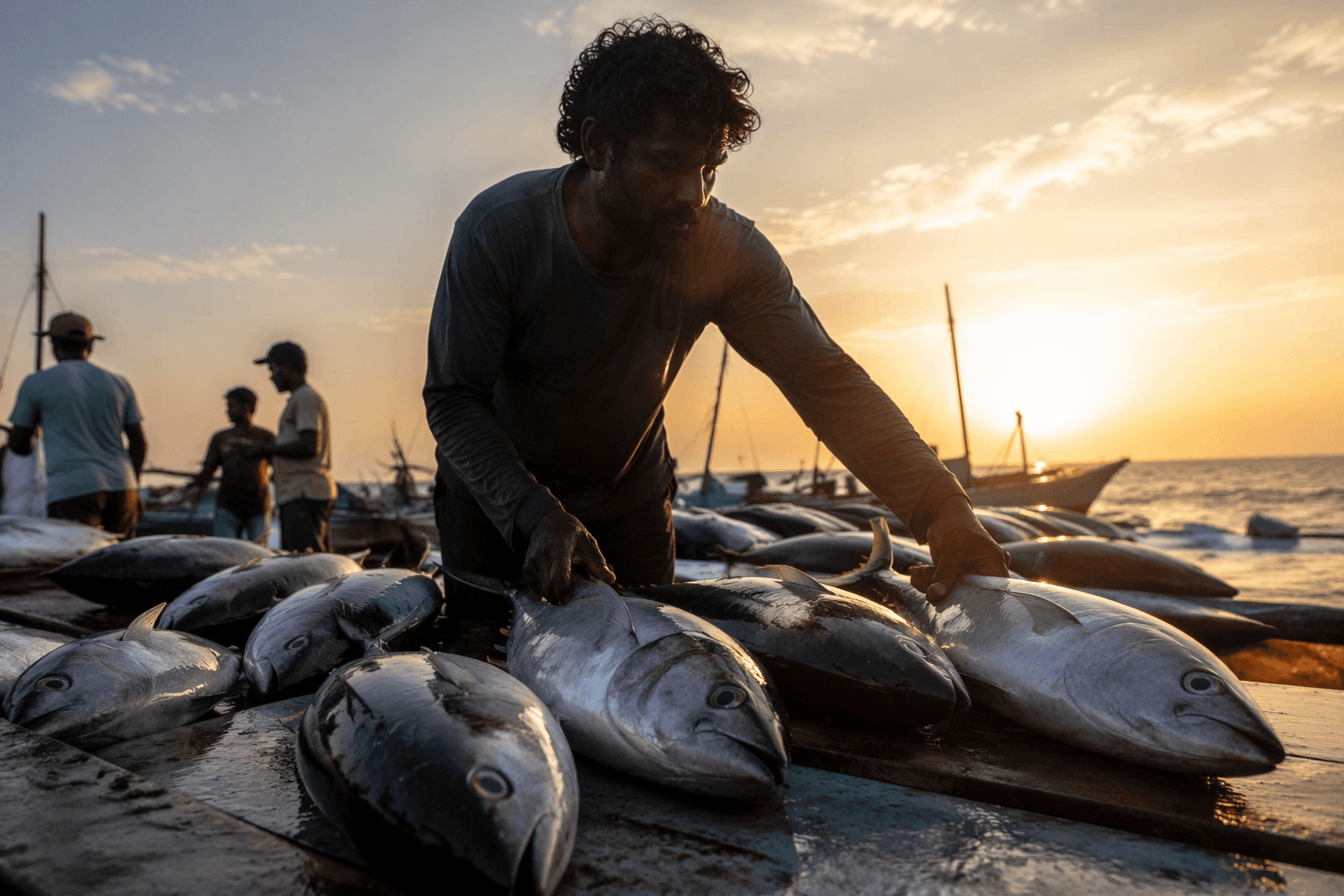
The Maldives angle matters because the fish involved are handline-caught, a method that carries a stronger sustainability message than bulk industrial supply. That gives buyers a cleaner story to sell alongside the lower price, and it gives Maldivian crews a clearer route into a market that rewards traceability and responsible harvesting. In a seafood market where sourcing claims carry real weight, that combination of cheaper and sustainable is the selling point.
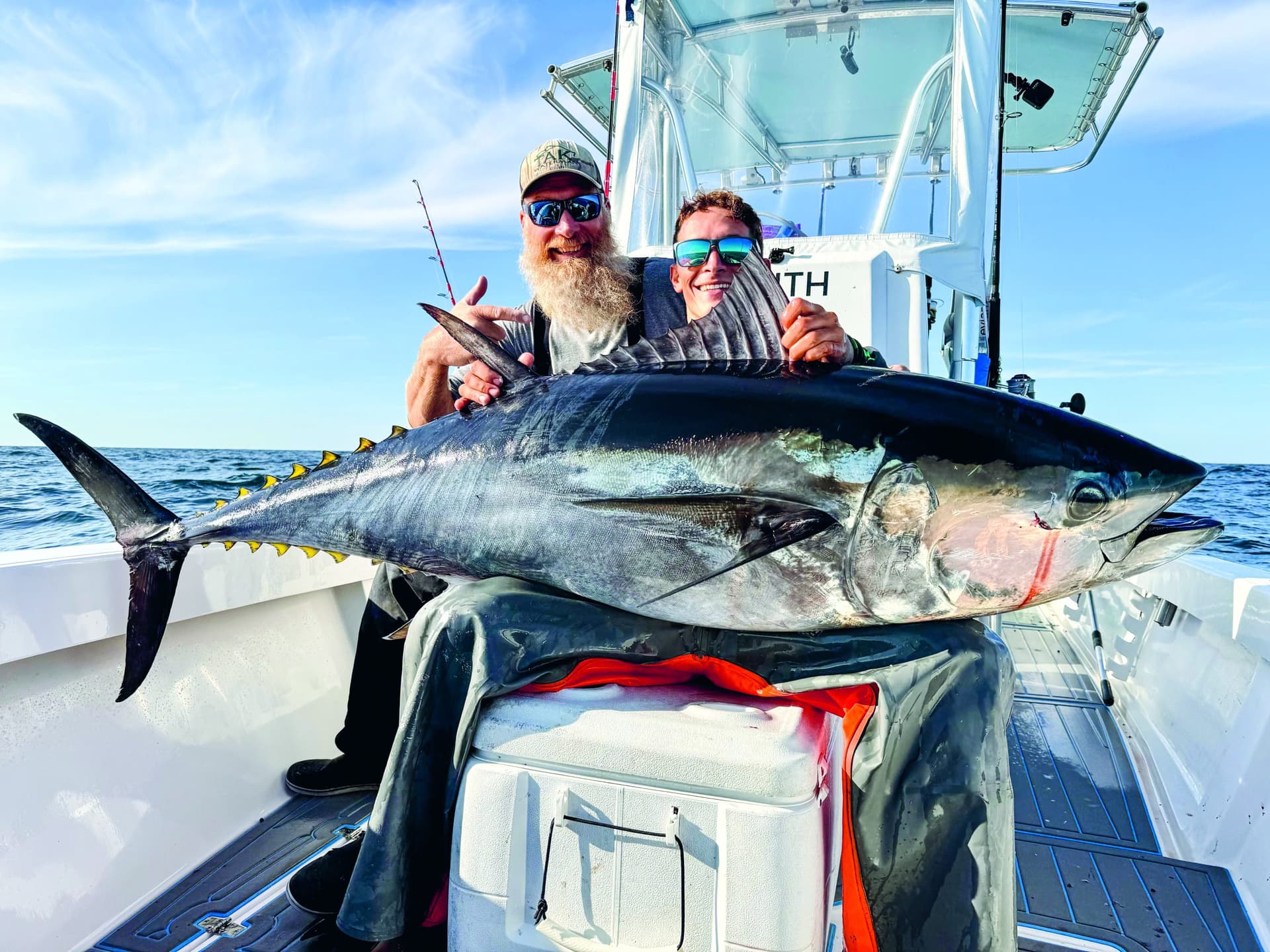
For recreational tuna anglers, the change is more indirect. It does not alter where tuna are running or how the bite sets up, and it does not change the day-to-day business of chasing bluefin offshore. What it can do is sharpen competition in the wider tuna market, especially where shoppers and restaurants start favoring lower-cost fish with a sustainability label attached. That kind of pressure tends to matter more to anyone buying tuna than to anyone hunting it.
The tariff suspension puts the spotlight on a simple tradeoff: lower prices at the counter, better market access for Maldivian fishermen, and a stronger push for handline-caught tuna in the UK. For anglers, the change is mostly a market signal; for shoppers, it is the chance to see tuna become cheaper without losing the sustainability story.
This article was produced by Prism’s automated news system from verified source data, official records, and press releases, then run through automated quality and moderation checks before publishing. The system is built and supervised by the people who set the standards it runs under. Read our full AI policy.
Know something we missed? Have a correction or additional information?
Submit a Tip