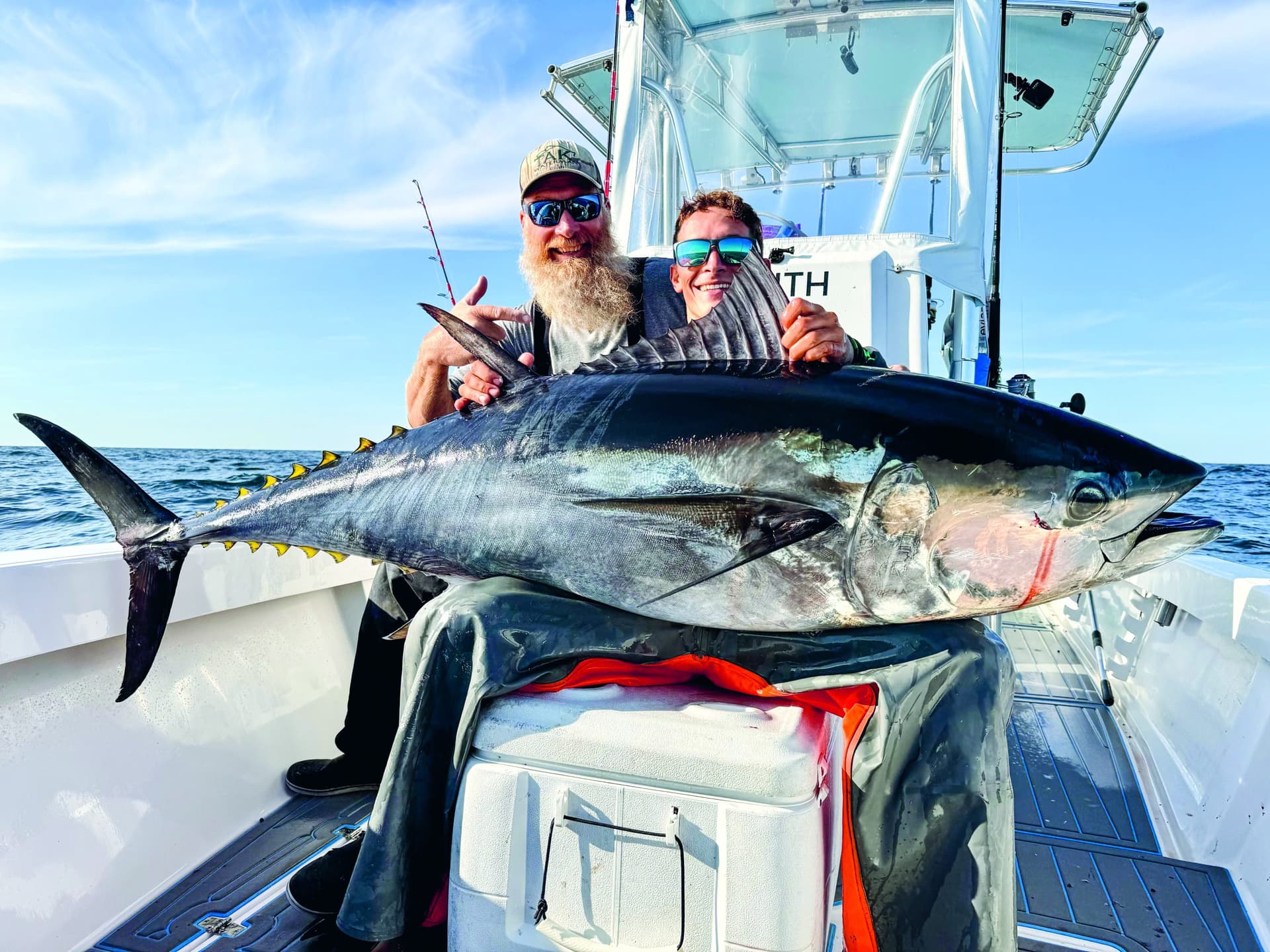
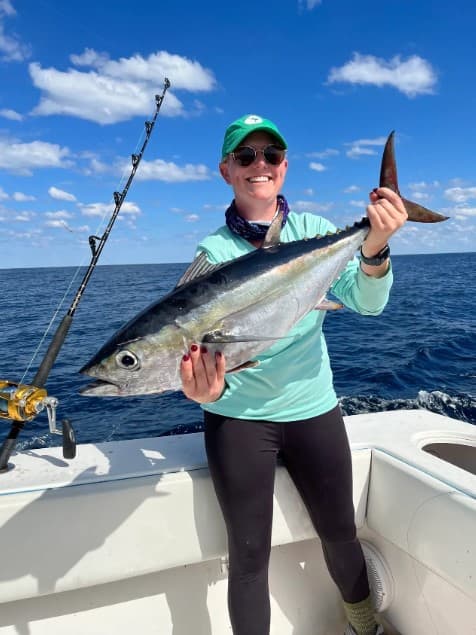
Yellowfin tuna turn offshore calm into chaos, then dinner
Yellowfin can turn a dead-calm run offshore into a full-boat scramble, and this guide shows the signs that matter before the reel starts screaming.
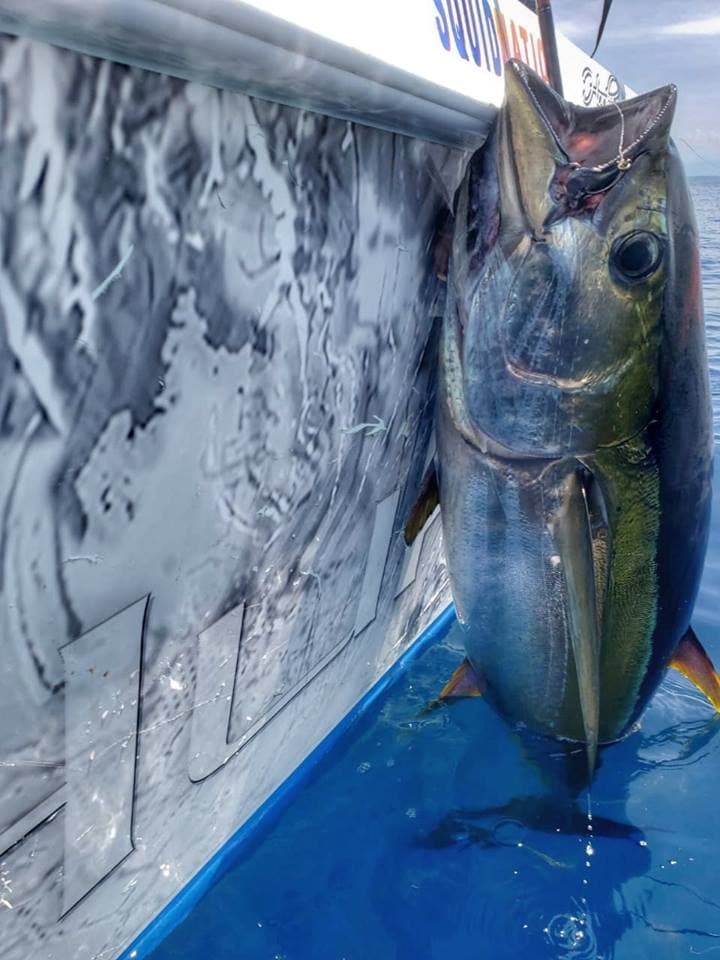
What chasing yellowfin actually feels like
Yellowfin fishing is not a gentle offshore cruise with a bite at the end. It is the kind of day that can stay quiet for hours, then blow up the instant the outriggers pop and the reel starts dumping line. That swing from calm to chaos is the whole point, and it is also the first thing inexperienced anglers underestimate.
Jessica Hendrie’s take lands because it treats yellowfin as what they are: freight trains of the sea. Once they commit and start running, they dig in hard, force the crew to stay sharp, and make every part of the fight feel bigger than the fish looks on the surface. If you are not ready for a real pull, a real sprint, and a real mess on deck when the bite hits, you are not really ready to chase yellowfin.
Read the water, not the calendar
Yellowfin do not usually announce themselves with neat, tidy signals. Offshore, the cues that matter are visual and immediate: birds working, bait getting pushed up, and water starting to boil as the fish herd everything toward the top. That is the difference between hoping and actually fishing with a purpose.
The practical lesson is simple. You need to spend as much attention watching the ocean as you do handling rods. A calm run that suddenly shows birds turning tight over a patch of nervous water is not scenery, it is a decision point. Keep your eyes up, because yellowfin often show themselves through the feed first, long before anyone has a fish on the line.
A lot of anglers miss this because they are waiting for the perfect sign instead of the useful one. Yellowfin fishing rewards the crew that recognizes bait concentration, surface activity, and that subtle shift from empty water to working water. When the ocean looks alive, it usually is.
What the fight really demands from the boat
The biggest mistake is thinking the hard part is hooking the fish. Hooking one is just the opening move. Once yellowfin decide to run, they punish sloppy deck work, slow reactions, and any crew that is still pretending the day is relaxed.
That is why preparation matters before the bite. Rods need to be ready, the cockpit has to stay clear, and everyone on board needs to understand that the first few seconds after hookup can be pure chaos. Hendrie’s description of the reel screaming is not just drama, it is a reminder that yellowfin often turn a quiet drift or run into an all-hands moment in an instant.
There is also a mindset piece here. You do not chase yellowfin by staying calm in the sense of passive. You stay calm by expecting sudden violence in the pattern of the day and responding cleanly when it arrives. The anglers who do best are usually the ones who can switch from watching birds to clearing lines to leaning into a hard run without losing track of what the fish is doing.
Why inexperienced anglers get humbled fast
Yellowfin look approachable because the action can come from the surface, where birds and boiling water make the whole thing look obvious. That is where people get cocky. The fish are visible, yes, but visibility is not the same as control, and yellowfin are famous for turning a clean-looking opportunity into a grind.
They are punishing because they do not just test tackle, they test stamina and coordination. The fish dig in hard, the boat gets busy, and anyone who assumed the day would be all excitement and no work gets corrected quickly. It is one thing to want a tuna shot, and another to be ready when the shot asks for real effort from the whole crew.
The other underestimation is emotional. Offshore calm can lull you into thinking the pace will stay soft, then one eruption at the surface flips everything. If you are chasing yellowfin, accept that the day may spend a long time looking ordinary before it becomes intense all at once. That is not a flaw in the fishery, it is the fishery.
The payoff is real, if you earn it
Yellowfin are not only sought after because they fight hard. They are wanted because the reward carries straight from the water to the plate. Hendrie’s table-fare rundown is part of the appeal: sashimi, seared ahi, poke bowls, and simple grilled steaks with just enough seasoning to keep the center pink.
That matters because yellowfin ask a lot from you before you ever get to the cooler. The payoff feels bigger when you have watched the fish push bait to the top, made the right offshore call, and then worked through the run. The same fish that turns the deck into a scramble can become one of the cleanest, most satisfying meals you pull out of saltwater.
There is a reason yellowfin sit near the top of the game-fish conversation. They are visually exciting on the surface, physically punishing on the line, and genuinely rewarding once they are on the deck. Not many offshore targets give you that full loop.
Know what kind of day you are signing up for
Chasing yellowfin is not about pretending the ocean is calm. It is about knowing that a quiet run can become a screaming reel, a bird patch can become a boil, and a normal offshore day can suddenly demand every bit of attention you brought with you. If you are prepared for that swing, you will understand why yellowfin keep their reputation.
That is the real lesson in the chaos: the fish do not just change the pace of the day, they define it. One minute you are scanning blue water, the next you are in the middle of a freight-train fight that ends with dinner.
This article was produced by Prism’s automated news system from verified source data, official records, and press releases, then run through automated quality and moderation checks before publishing. The system is built and supervised by the people who set the standards it runs under. Read our full AI policy.
Know something we missed? Have a correction or additional information?
Submit a Tip