American McGee Reveals EA Wanted Alice: Madness Returns Darker, Sexier
American McGee says EA marketing wanted Alice: Madness Returns darker, gore-heavy and sexier, until he answered with suggestive art on a giant snail.
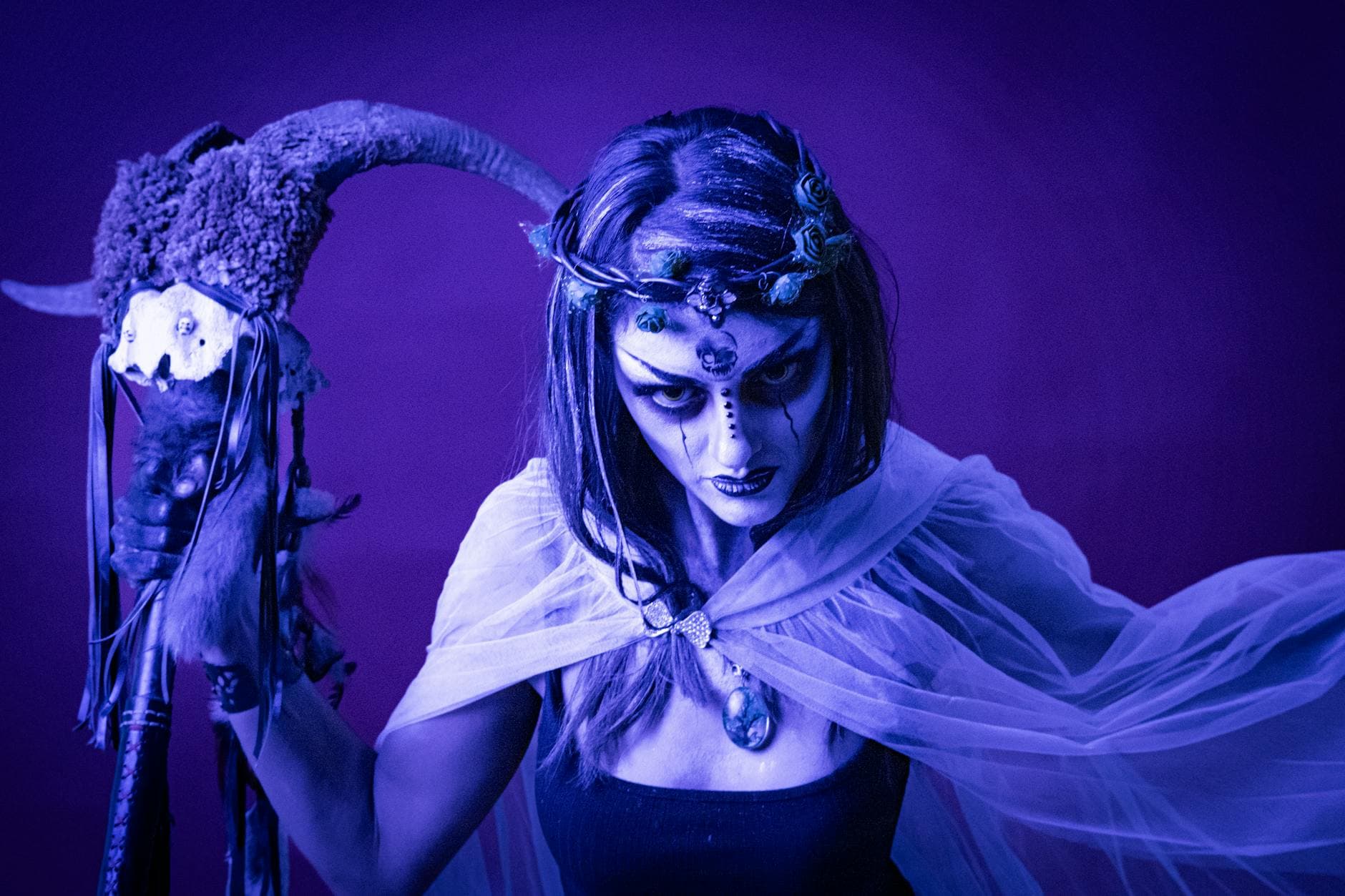
American McGee has reopened one of the strangest pressure-cooker stories from EA’s backlog, and it lands on a simple point: tone is not just a creative choice when a publisher starts weighing in on sex appeal. In McGee’s retelling, the team behind Alice: Madness Returns was told to push the game harder into darkness, gore and a hard M rating, while also making it sexier, a request that collided head-on with the project’s gothic identity.
McGee’s response became the memorable part of the anecdote. He said he pasted suggestive imagery onto a giant snail and sent it to the marketing team, and the requests stopped. The joke works because it is so specific, but it also shows how bluntly a developer can push back when a mandate feels disconnected from the character on screen. Alice was never a generic mascot, and McGee’s story makes clear that even a cult sequel could be tugged between an authorial vision and a marketing fantasy.
The deeper business detail matters just as much as the punchline. McGee explained that Alice: Madness Returns was not financed directly by EA in the usual way. Instead, the project was backed by a Los Angeles bank through a more film-style financing structure, which gave the team more control than a normal publisher-funded production would have allowed. That arrangement gave McGee room to resist some of the most intrusive notes, even if it did not erase the usual realities of development.
Those realities still came down to time, deadlines and polish. McGee suggested that EA’s refusal to grant extra polishing time may have been partly spiteful, which would help explain why the finished game launched a little rougher than the team wanted. That wrinkle turns an old development joke into a concrete example of how business pressure can reshape a game’s tone, texture and even its identity. Alice: Madness Returns remains one of EA’s most memorable cult releases partly because it carries the visible strain of that tug-of-war, with creative intent, marketing image and financial leverage all pulling in different directions.
This article was produced by Prism’s automated news system from verified source data, official records, and press releases, then run through automated quality and moderation checks before publishing. The system is built and supervised by the people who set the standards it runs under. Read our full AI policy.
Did this article answer your question?