BioWare veteran says product placement could help fund AAA games
A former BioWare executive wants games to borrow Hollywood’s ad playbook, but the real test is whether players will accept brands in their worlds.
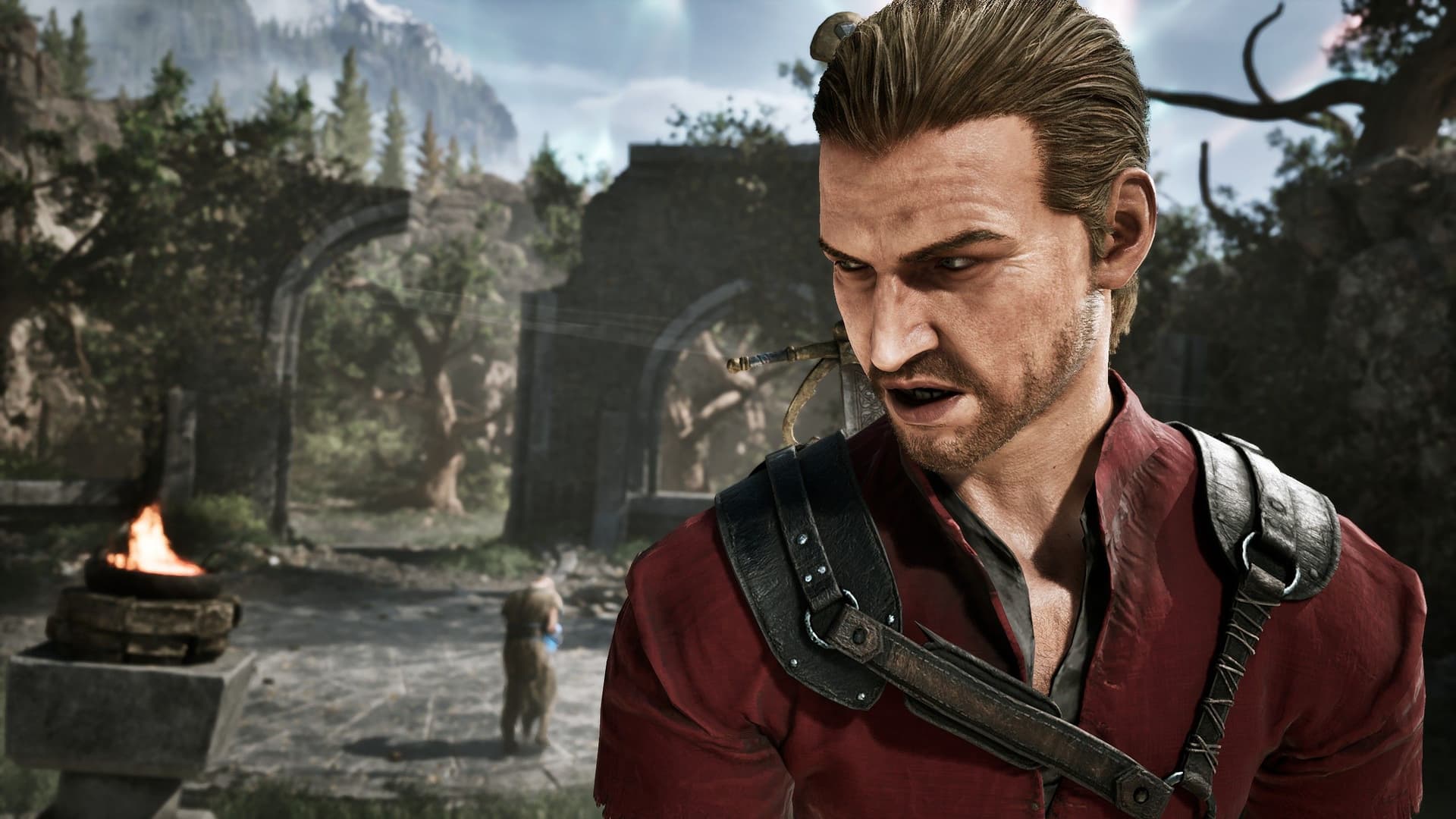
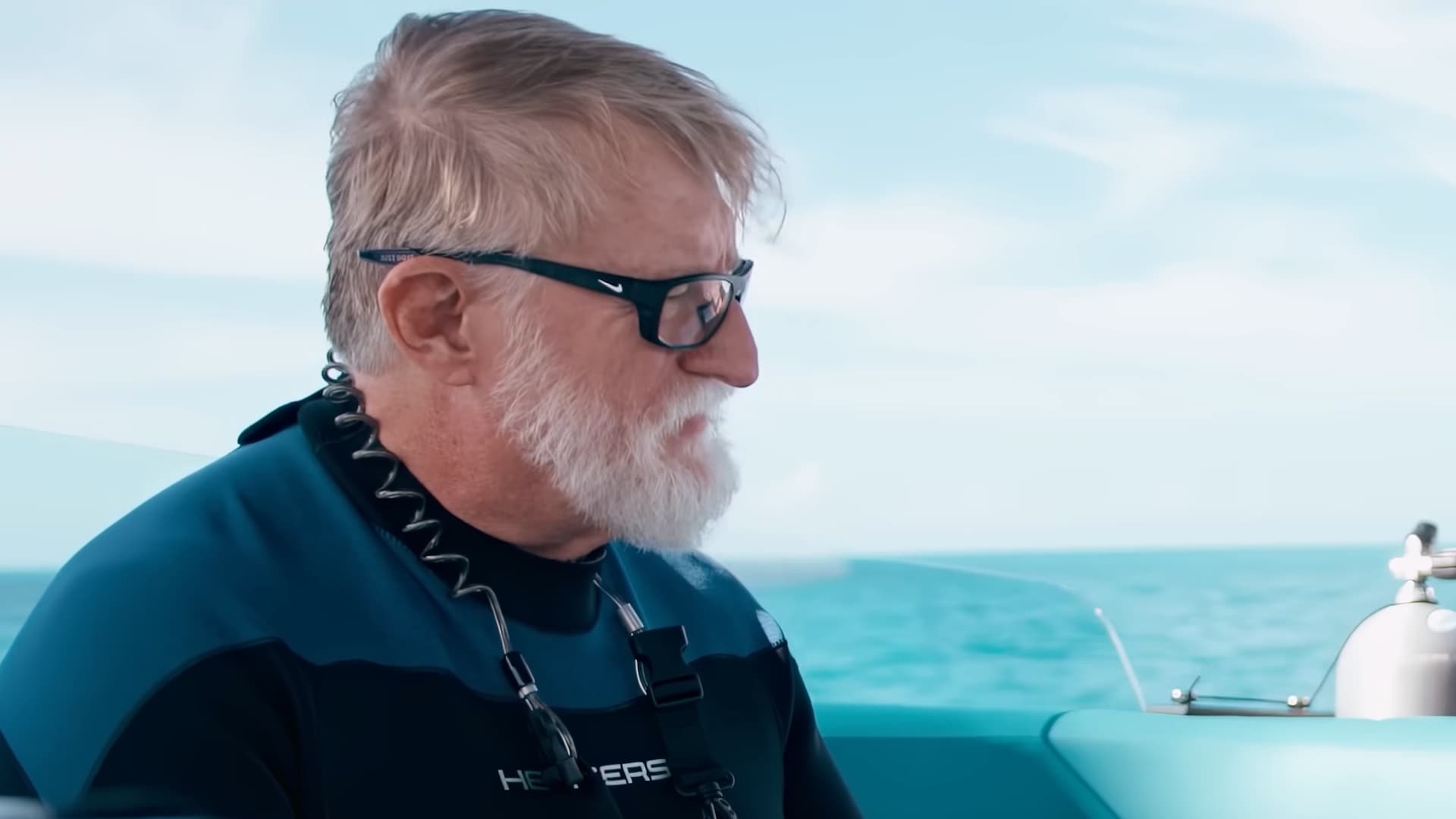
AAA budgets are climbing so hard that a former BioWare boss is asking whether games should start looking more like film and television to pay for themselves. Mark Darrah, who spent 23 years at BioWare and served as executive producer on Dragon Age, says product placement could help cover the cost of big-budget games instead of forcing publishers deeper into live-service hooks and microtransactions.
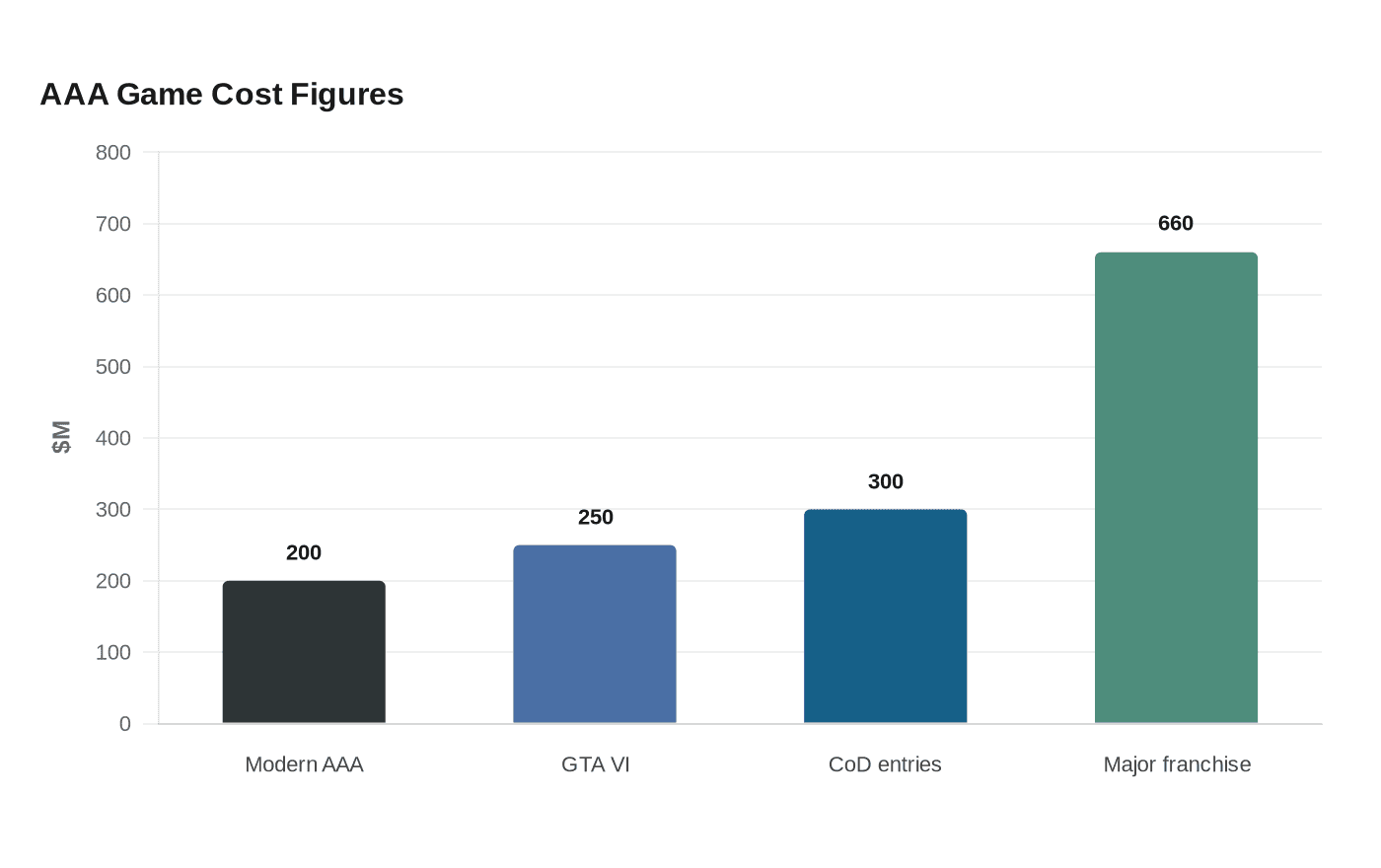
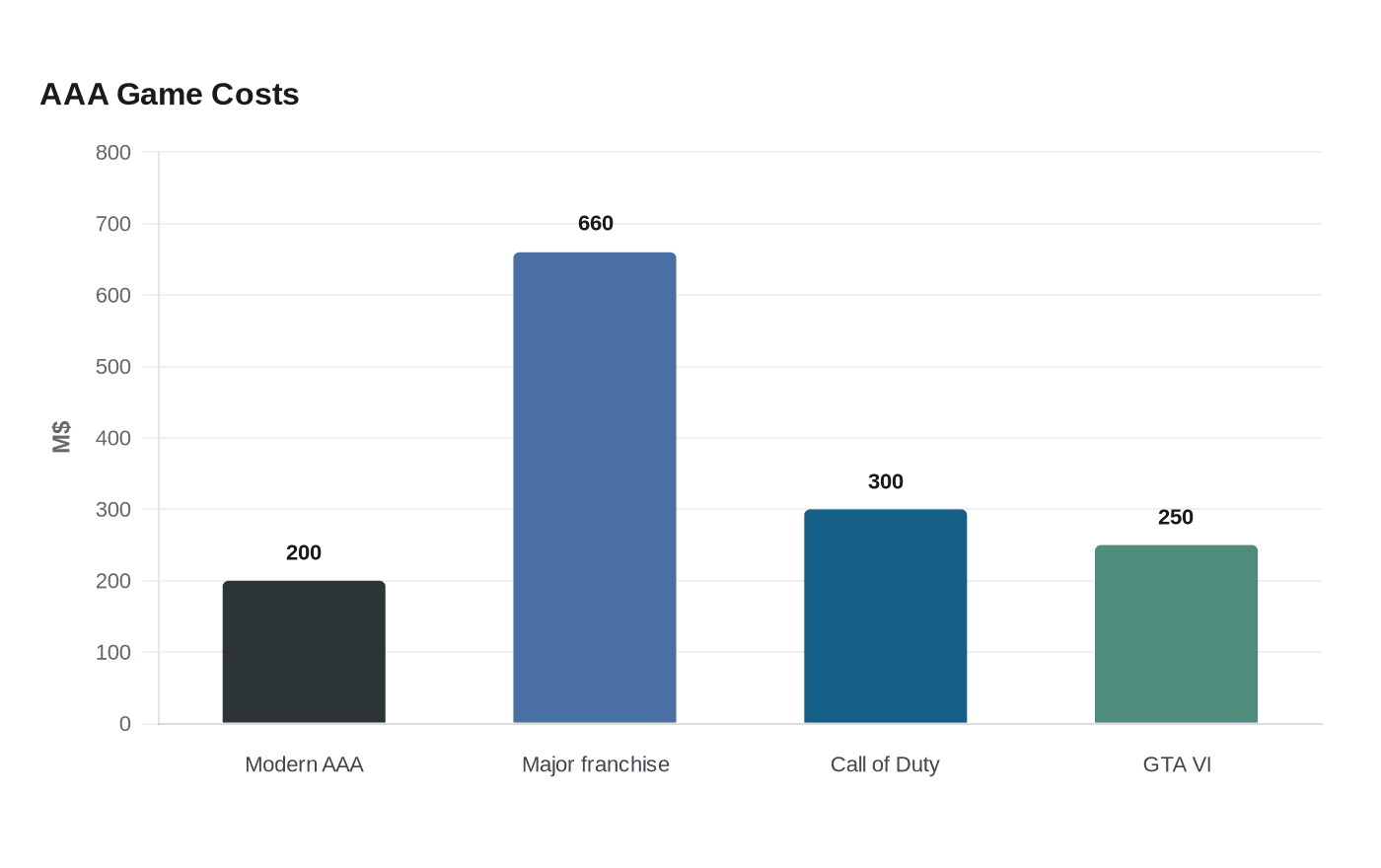
The pitch is blunt because the economics are blunt. Material tied to the Competition and Markets Authority’s work on Microsoft’s Activision Blizzard deal said modern AAA games can cost $200 million or more, while one major franchise cost $660 million to produce before more than $500 million in marketing. Other reporting tied to the same material said some Call of Duty entries cleared $300 million in development spending and that Grand Theft Auto VI was reported at more than $250 million. In that environment, a one-time sale looks thinner every year, especially when publishers are trying to keep premium games alive without turning every release into a storefront.

That is why Darrah’s idea is less about novelty than survival. The industry has spent years leaning on recurring monetization because it promises a longer revenue tail, but that model has also crowded out other kinds of games. Darrah has warned about a future where AAA releases without live-service elements become rare, and his product-placement proposal reads like an attempt to build a bridge for expensive single-player and non-live-service projects before that future hardens.
The real question is where that bridge would hold and where it would collapse. Sports games are the obvious test case, because brand integration already fits the fantasy of licensed teams, stadiums, kits, and broadcasts. Electronic Arts actively markets brand partnership opportunities, and EA SPORTS FC 26 was announced with 20,000-plus athletes, 750-plus clubs and national teams, 120-plus stadiums, 35-plus leagues, and 300-plus football partners. Lowe’s also said in April 2025 that it would appear across multiple EA SPORTS titles, including EA SPORTS FC, Madden NFL, and College Football. In that lane, a sponsor feels native.
A narrative RPG or a live-service fantasy world would be a different fight entirely. Players may tolerate a branded billboard in a racing pit lane or a TV-style ad board in a stadium, but a soda logo in a dragon city or a sneaker placement in a prestige RPG risks landing as a reminder that the world is being rented, not built. That tension sits at the center of Darrah’s argument, because the industry is already under pressure: the Game Developers Conference’s 2024 survey reached more than 3,000 developers, later reporting said 41% had been affected by layoffs in some form, and Engadget’s summary of the same survey said 11% were laid off in 2024 while 29% had direct colleagues laid off. Product placement may look like a funding fix, but for players it could just as easily become the next monetization battle over where immersion ends and the ad break begins.
This article was produced by Prism’s automated news system from verified source data, official records, and press releases, then run through automated quality and moderation checks before publishing. The system is built and supervised by the people who set the standards it runs under. Read our full AI policy.
Know something we missed? Have a correction or additional information?
Submit a Tip