Elden Ring fans debate whether dungeon design or bosses define its magic
The real Elden Ring fight is not bosses versus dungeons, but what players remember enough to replay. That split explains why the game still won’t leave the conversation.
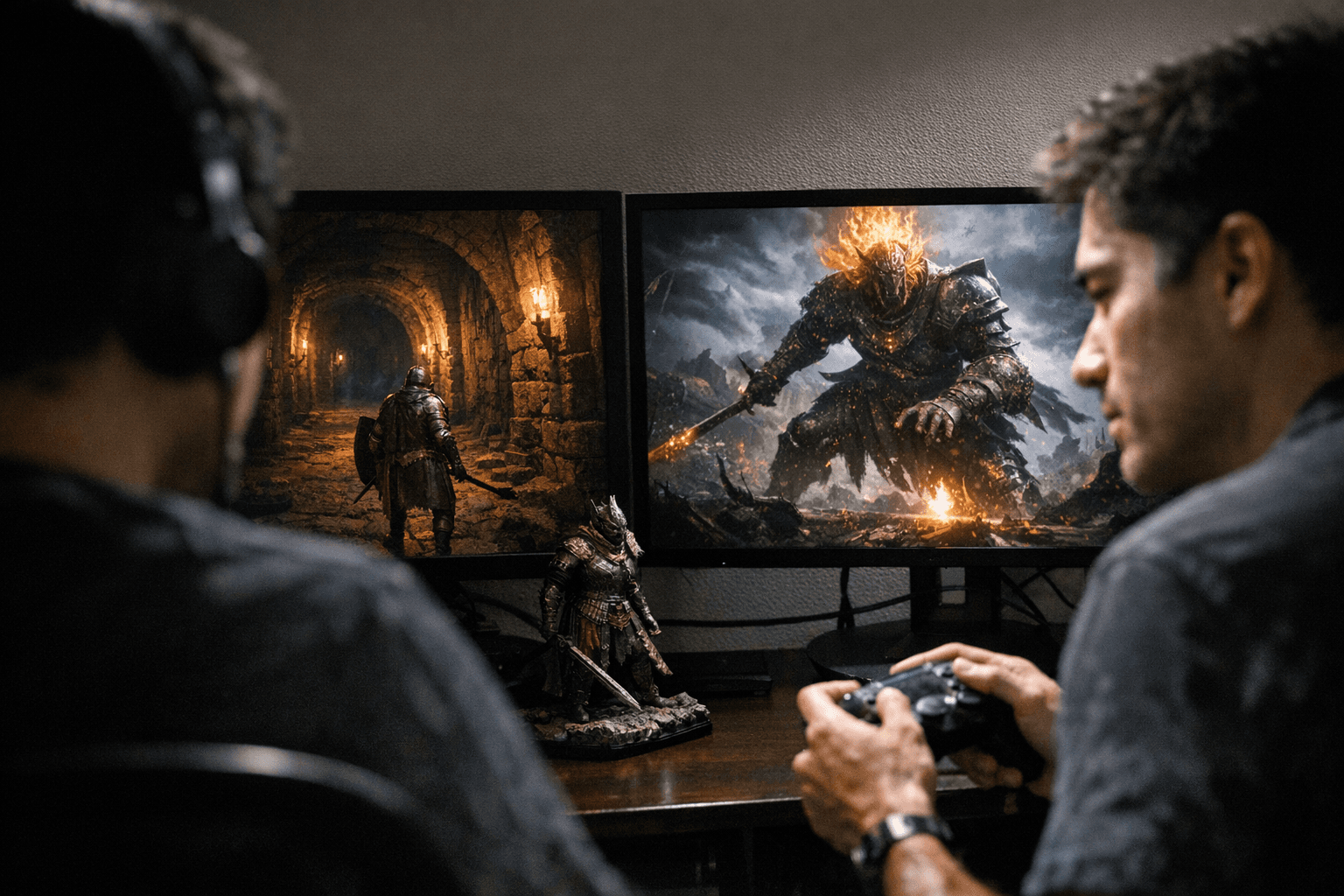
A game that won Game of the Year, Best Game Direction, Best Art Direction and Best Role Playing Game at The Game Awards 2022 is still being argued over for the most FromSoftware reason possible: whether its best memories come from the maze or the monster.
That argument has returned with fresh force because Elden Ring keeps generating new reasons to talk about it. Bandai Namco calls it "the most awarded game in history," and Shadow of the Erdtree only widened the spotlight when it launched worldwide on June 21, 2024, sold 5 million copies in its first three days, and then passed 10 million units worldwide by July 24, 2025. A game does not stay in the center of the hobby like that unless players keep finding different things to love in it.
Why the debate keeps coming back
The split over dungeons versus bosses is less a fight about quality than a map of what people value in FromSoftware design. One camp is drawn to the long, threaded spaces that make Elden Ring feel like a place you learn by heart. The other is there for the spike of a great boss, the kind of encounter that can define a build, a playthrough, or even a whole weekend.
That tension fits the wider FromSoftware tradition. Hidetaka Miyazaki said in June 2024 that he has been heavily involved in stage and level design across the Souls games because he wants those intended player experiences to land a certain way. In other words, the studio has always treated space as narrative, not just backdrop, and Elden Ring is the clearest expression of that habit.
What legacy-dungeon fans are defending
When players praise legacy dungeons, they are usually praising structure. These are the spaces where shortcuts loop back on themselves, vertical routes open unexpectedly, and a single mistake can send you into a completely different encounter than you planned for. They reward memory, observation, and a kind of spatial literacy that makes a return visit feel sharper than the first.
That is why so many fans point to the game’s classic large-scale spaces instead of its individual set pieces. Stormveil Castle, Raya Lucaria Academy, Leyndell, the Royal Capital, and Shadow Keep all work because they ask you to understand them, not just survive them. The pleasure comes from realizing that a locked door, a ladder, or a side hall matters later, after the whole place has folded back on itself.
- Stormveil Castle turns a first major run into a lesson in pressure and route-finding.
- Raya Lucaria Academy makes verticality and magical traps part of the rhythm.
- Leyndell rewards players who notice how grand scale and tight pathways coexist.
- Shadow Keep continues that tradition in Shadow of the Erdtree, where exploration feels like discovery rather than tourism.
The people arguing for dungeon design are really arguing for replayability. A great boss can be unforgettable in one clean burst, but a great legacy dungeon gives back different stories every time you re-enter it.
Why boss fans keep winning the memory test
Boss-first players are not dismissing the world; they are saying the world only matters because it leads to a payoff with teeth. Elden Ring’s biggest fights turn into community touchstones because they compress the game’s art direction, combat system, and danger curve into one readable challenge. That is why names like Malenia, Maliketh, and Messmer carry so much weight in the fan conversation.
A boss fight is often the moment a player remembers most clearly when they think back on a run. It becomes the clip people save, the build they swap around, the wall they finally break through, or the victory they bring up months later. In that sense, the boss camp values peak emotion, while the dungeon camp values accumulation.
The debate is not really one of taste versus taste. It is a disagreement about what counts as the strongest memory: the path that gets you there, or the encounter that slams the door shut once you arrive.
How Shadow of the Erdtree widened the split
Shadow of the Erdtree made the conversation harder to ignore because it doubled down on the part of Elden Ring that thrives on exploration. The expansion sends players into the Land of Shadow, a completely new world separate from the Lands Between, which means the DLC does not just add more enemies. It adds more geography, more layout, and more reasons to obsess over how FromSoftware builds a space.
That is a big part of why the DLC mattered so quickly. Selling 5 million copies in three days is not just a sales milestone; it is evidence that players still show up for the promise of another FromSoftware world to read, solve, and revisit. Passing 10 million units worldwide later only reinforced the idea that the audience for this style of design is still enormous.
The expansion also sharpened the old argument because it gave both camps new material at once. Boss enthusiasts got fresh headline fights to obsess over, while dungeon loyalists got another setting built to be mapped in their heads. Few games manage to feed both kinds of devotion this cleanly.
What this split says about Elden Ring’s staying power
Elden Ring continues to dominate conversation because it does not reduce itself to one answer. Its legacy dungeons give the game its texture, its sense of place, and its long memory. Its bosses provide the shocks, the milestones, and the moments that travel fastest through fan culture.
That is why the argument will probably never settle. Every new clip, every replay, and every DLC revisit forces the same question back to the surface: do you remember Elden Ring because you conquered its spaces, or because something in those spaces fought back hard enough to become legend? The real answer, for most players, is that the game is strongest when both parts hit at once.
This article was produced by Prism’s automated news system from verified source data, official records, and press releases, then run through automated quality and moderation checks before publishing. The system is built and supervised by the people who set the standards it runs under. Read our full AI policy.
Did this article answer your question?