Epic details Unreal Engine 6 and deeper generative AI plans
Epic’s Unreal Engine 6 pitch is bigger than a new version number: AI is moving into the editor, with Fortnite as the model for how games get built and shipped.

Epic used Unreal Fest Chicago at McCormick Place to make one message clear: Unreal Engine 6 is in development, and generative AI is moving from side experiment to core workflow. The State of Unreal keynote landed during the June 16-18 event in Chicago, Illinois, and Epic said UE6 will combine the AAA development capabilities built in Unreal Engine 5 with a next-generation pipeline the company has been building live in Fortnite.
That pipeline is meant to change how teams actually work. Epic said UE6 is being designed to let developers build games of any scale and scope, then deploy them to traditional platforms, Fortnite, or their own live, potentially multi-product ecosystems. Epic’s UE5.8 release notes point in the same direction, with improvements across rendering, character and animation, worldbuilding, PCG, and more. The company is not treating AI as a separate tool layered on top. It wants it inside the engine itself.

The clearest demo showed where Epic wants those gains to show up first: faster setup, faster iteration, and less manual busywork. Coverage of the keynote said Epic demonstrated Claude Code connected to Unreal Engine, placing objects from an asset library into a virtual living room and helping build a city that could automatically adjust as assets such as parks were added, while developers still kept manual control in the editor. That kind of workflow matters most for blockouts, level dressing, prototyping, and rapid worldbuilding, especially for teams that need to test ideas without spending days on repetitive placement work.
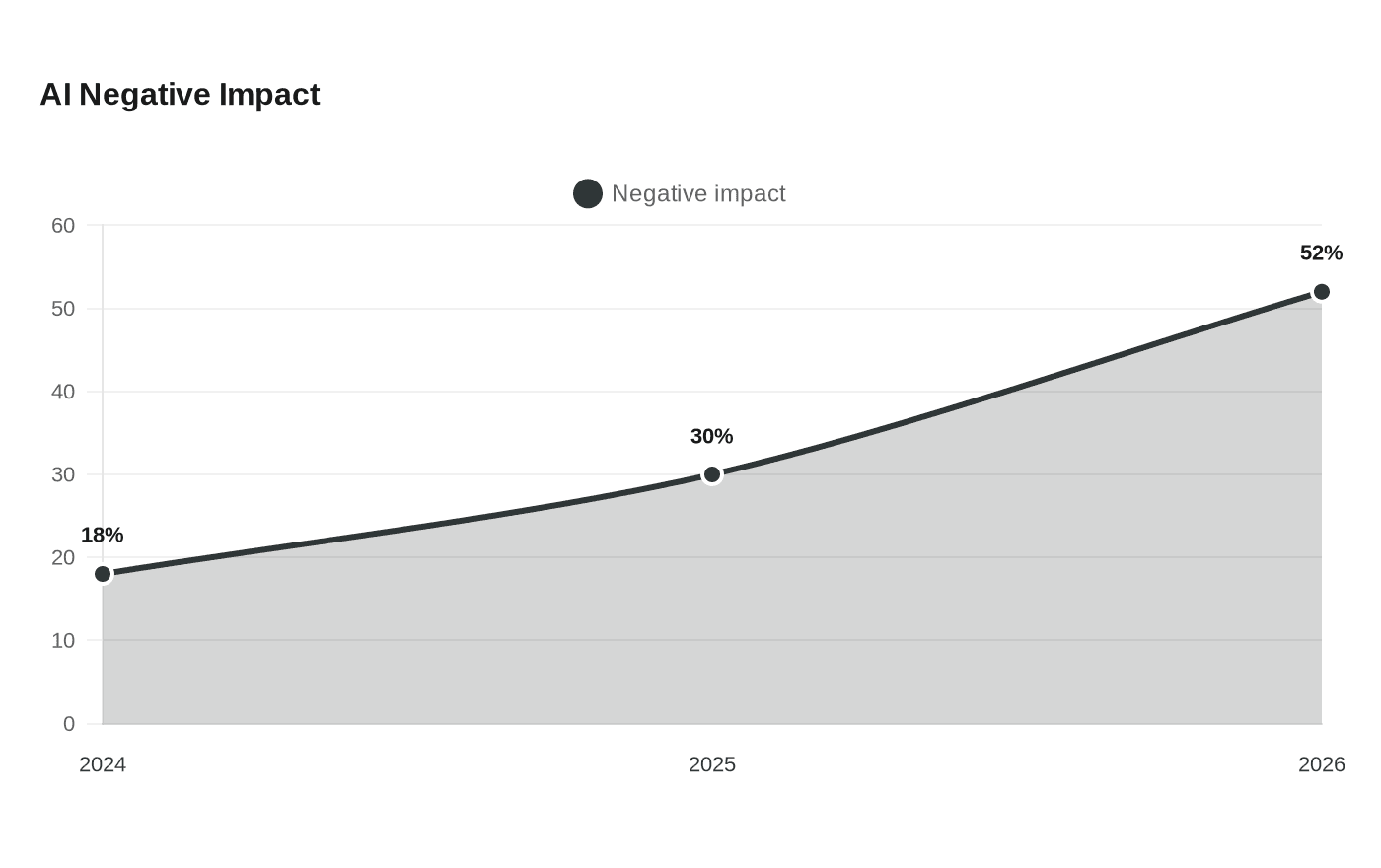
The timing is notable because the trust gap around AI in development is still wide open. The 2026 GDC State of the Game Industry report, based on responses from more than 2,300 professionals, found that 52% of game industry workers think generative AI is having a negative impact on the industry, up from 30% in 2025 and 18% in 2024. Even so, 36% of developers said they actively use AI daily, and 42% of respondents named Unreal Engine as their primary engine, ahead of Unity at 30%. Epic’s decisions therefore ripple well beyond its own studios, especially after the company laid off more than 1,000 employees in March 2026 during a broader restructuring.
That is why Unreal Engine 6 feels less like a branding milestone and more like a production roadmap. Epic is betting that smarter authoring tools will help studios ship faster, manage asset production more efficiently, and keep budgets in check. The risk, of course, is that the same speed could push more teams toward the same workflows and the same kind of games.
This article was produced by Prism’s automated news system from verified source data, official records, and press releases, then run through automated quality and moderation checks before publishing. The system is built and supervised by the people who set the standards it runs under. Read our full AI policy.
Know something we missed? Have a correction or additional information?
Submit a Tip