Fable rebuilds Albion with 1,000 hand-crafted living NPCs
Fable’s Living Population is trying to solve a real RPG problem: towns that feel dead once you’ve seen them. More than 1,000 hand-built NPCs could make Albion react, remember, and misbehave.
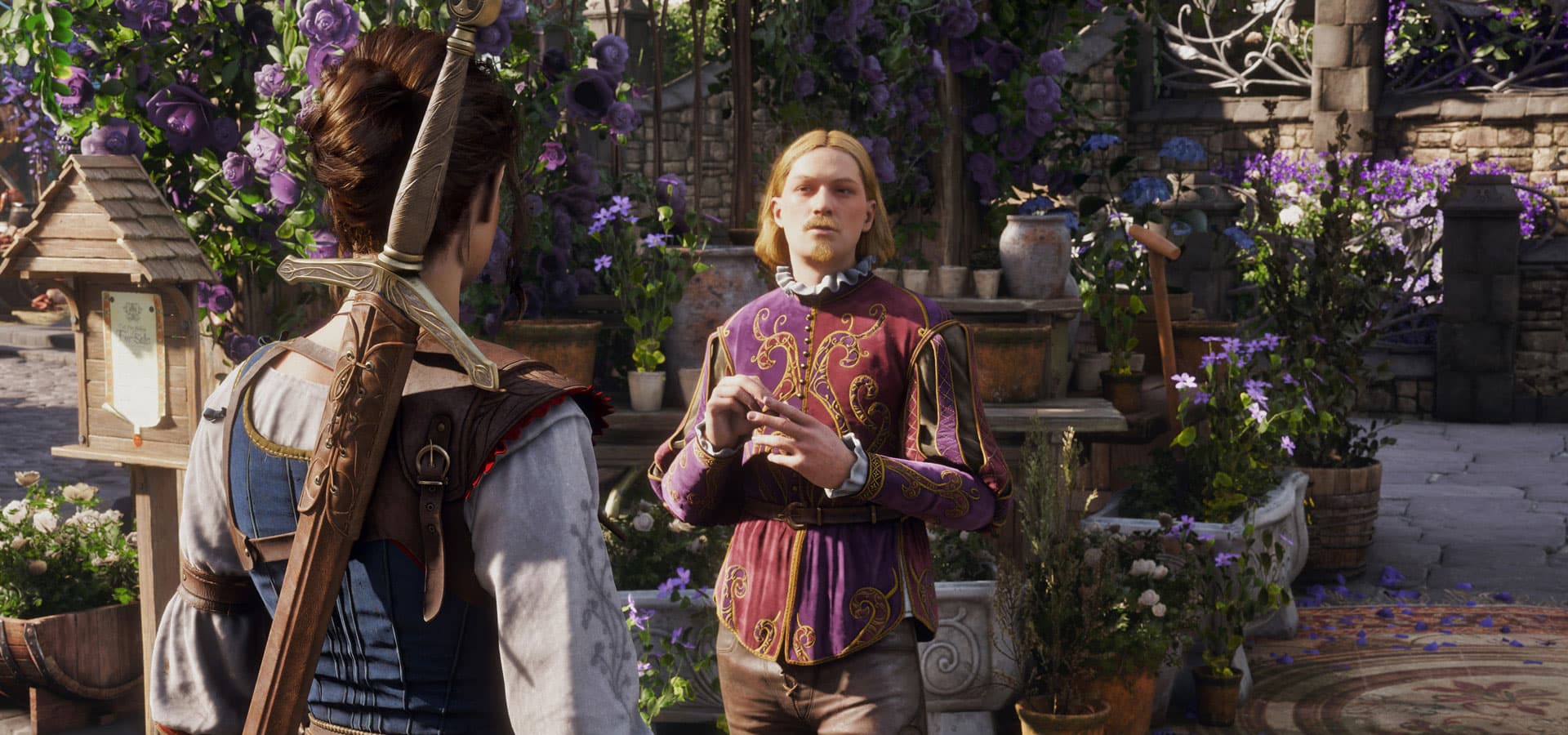
Albion is being rebuilt around more than 1,000 hand-crafted NPCs, and that is the clearest sign yet that Fable wants to do more than coast on nostalgia. Playground Games is not treating towns as backdrops full of static quest markers; it is building a world where every citizen has a routine, a personality, and a life that keeps moving even when the hero is elsewhere.
What the Living Population is supposed to fix
The big promise here is simple: make Albion feel inhabited instead of decorated. Fable’s original question was always how to make a fantasy world feel genuinely alive, and the answer this time is a Living Population that can intersect with the player in meaningful, often chaotic ways. That means townsfolk are not just scenery between dungeons and story beats, but part of the game’s systems, with schedules, homes, jobs, hobbies, and everyday habits that continue without the player’s direct involvement.
That matters because open-world RPGs often lose their spark once the novelty of a town wears off. A village that looked busy the first time can turn into a repeating loop of shopkeepers and quest-givers standing in place forever. Fable is aiming to break that pattern by making Albion feel like a place that changes around you, not one that simply waits for you to arrive.
Why Playground Games rejected procedural generation
The team did consider procedural generation, but it backed away from that approach because the results felt random and incoherent. That decision tells you a lot about what kind of RPG Fable wants to be. Instead of chasing scale for its own sake, Playground Games is betting that hand-built personality will produce a more believable and more comedic world.
The distinction is important. The studio is using modular assets for visual construction, but not for personality or behavior, which keeps the cast from feeling copy-pasted even if the world itself is built efficiently. In practice, that should help Albion avoid the bland, algorithmic feel that can creep into procedurally assembled towns, where everything is technically varied but emotionally forgettable.

How the system could change play moment to moment
Xbox’s description of the system makes it sound less like a background simulation and more like a social sandbox. You can interact with each person individually, and those relationships can turn into friendship, enmity, employment, marriage, or even death. That is pure Fable, right down to the series’ trademark mix of whimsy and dark humor, because the world is not just reacting to combat or quests, but to the messy social consequences of how you treat people.
From a player’s perspective, that opens the door to more emergent storytelling than a standard open-world loop usually allows. A routine NPC with a job and a home can become relevant because of where they go, who they know, or when you decide to meddle. The Living Population could make small actions matter more, because the game is clearly designed for ordinary routines and player intervention to collide in ways that feel funny, awkward, or unexpectedly personal.
What it could mean for quests and replayability
This is where the feature starts to move beyond technical showmanship. If Albion is full of characters with actual lives, quests can be built around more than simple errands or combat chains. A missing spouse, an employee who keeps failing to show up, or a neighbor with a rival could all become part of quest design, and those scenarios can shift depending on who is alive, occupied, or already tangled up with the hero.
Replayability should benefit too, because a hand-authored population gives the world more room for different social outcomes. A second run through Fable should not just mean choosing different dialogue, but seeing how relationships, routines, and household dynamics change the shape of a town. That is a stronger hook than a bigger map alone, especially in a crowded open-world market where size is easy to promise and harder to make meaningful.
Why Xbox keeps framing this as a prestige feature
Microsoft and Playground Games have been messaging Fable as one of Xbox’s major RPGs for a while now, and the Living Population is clearly central to that pitch. Xbox has said the game is coming in Autumn 2026 to Xbox Series X|S, Xbox on PC, Xbox Cloud, Steam, PlayStation 5, and Game Pass Ultimate, with Xbox Play Anywhere support. That platform spread makes the game feel less like a niche revival and more like a wide-release statement about where Microsoft wants its RPG lineup to stand.
Craig Duncan has also called the Living Population and combat “mind-blowing,” which reinforces the idea that this is being treated as a key differentiator inside Xbox Game Studios. That kind of language raises expectations, but it also suggests the project is being judged on more than atmosphere. The simulation has to earn its place in the game’s identity, not just decorate it.
Isabel, the new story hook
The latest showcase material added another layer by introducing Isabel, the Hero of Wraithmarsh, as a major new character. Hayley Atwell is voicing the villain, and that gives Fable a sharper narrative anchor alongside the social systems. The cast reveal matters because the game is not trying to be a blank-slate life simulator; it is still a story-driven RPG, just one where the cast and the world are designed to push back.
That combination is what makes the Living Population worth watching closely. If Playground Games pulls it off, Albion will not just be bigger, it will feel socially alive in a way most open-world RPG towns never do. If it falls short, the system will read like expensive set dressing. Right now, though, the pitch is clear: Fable is trying to make every villager part of the game’s personality, and that is the difference between a world you visit and a world that actually lives.
This article was produced by Prism’s automated news system from verified source data, official records, and press releases, then run through automated quality and moderation checks before publishing. The system is built and supervised by the people who set the standards it runs under. Read our full AI policy.
Did this article answer your question?