Half-Life 2 is now playable in a browser, with Portal groundwork
Half-Life 2 has been shoved into a browser with console commands intact, riding on Portal groundwork and a three-month sprint from Slqnt and 98006. It runs with rough edges, but it runs.
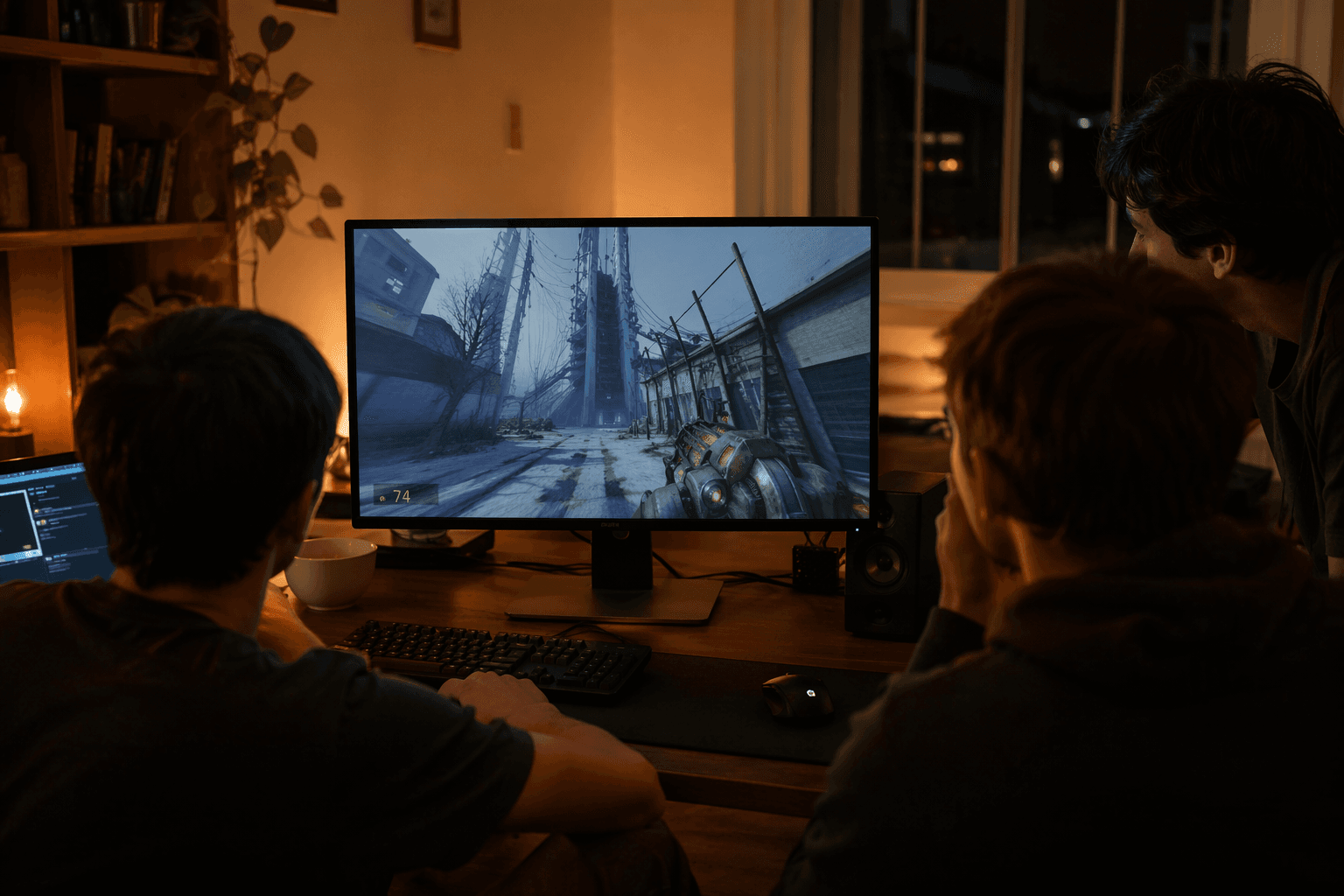
Half-Life 2 is now playable in a web browser, and the feat lands with just enough roughness to make it feel real. The unofficial port is not sanctioned by Valve, but it does let players launch the 2004 shooter without a Steam account, installation, or download, turning one of PC gaming’s most famous single-player campaigns into something that opens in a tab.
The work came together in about three months from Slqnt and 98006, and the result is more than a novelty build. The browser version still recognizably feels like Half-Life 2, even if its frame pacing can stutter and some facial animations are broken. Console commands remain intact, normal play is possible, and that alone makes the project more than a tech joke.
The new port also stands on existing fan groundwork. Several reports tie it to weliveinhell’s earlier browser version of Portal, which itself drew on the 2018 Team Fortress 2 source engine code leak. That lineage matters because it shows how browser ports of Valve games are becoming a small ecosystem rather than isolated stunts, with each experiment giving the next one a better shot at working.
There is a strong preservation angle here, but also a plain access argument. Half-Life 2 originally launched on November 16, 2004, and Portal arrived in 2007 as part of The Orange Box, which puts both games firmly in the category of modern classics that still attract new players. A browser build lowers the barrier for anyone who wants to sample them, revisit them, or share them instantly without asking a friend to install a 20-year-old PC game first.
The technical backdrop is just as important as the nostalgia. Source debuted with Half-Life 2 in 2004 and later powered Portal, and the browser ports are making use of modern web tooling such as Emscripten, WebAssembly, WebGL2, and browser storage for save data. That is why an early-2000s Source shooter can now run inside a browser window at all, even if the fidelity is not perfect.
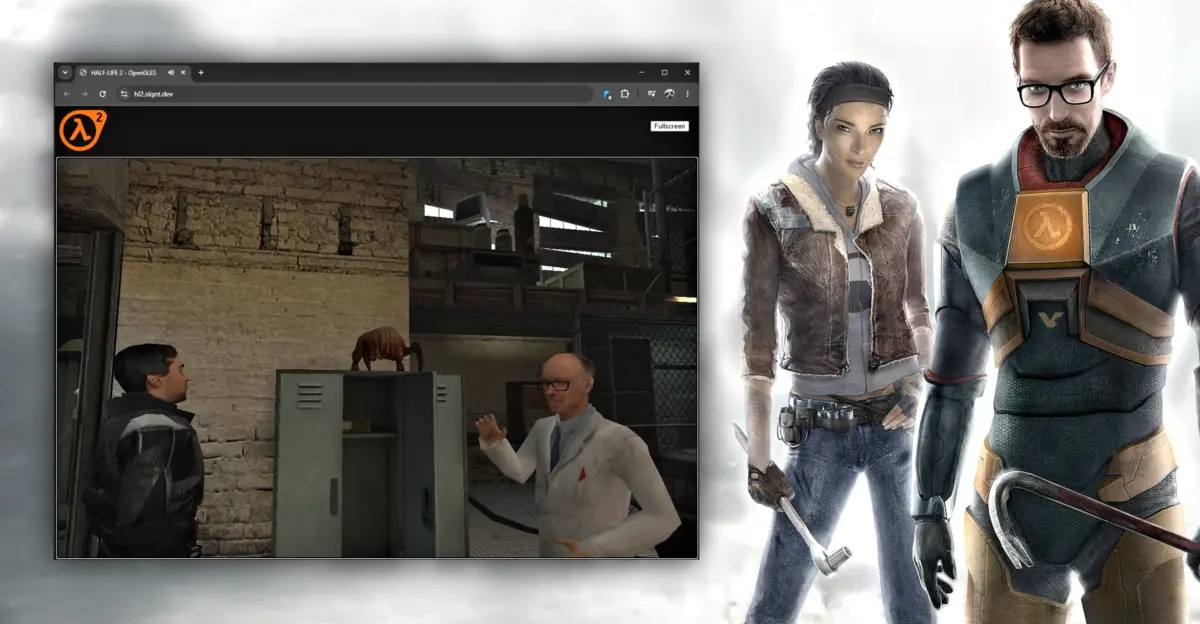
Webport.ing, a four-person team focused on porting games to the web, has become part of that story as well. The Half-Life 2 build is a reminder that preservation now comes in playful, public-facing forms, and that the line between curiosity project and usable access point is getting thinner every year.
This article was produced by Prism’s automated news system from verified source data, official records, and press releases, then run through automated quality and moderation checks before publishing. The system is built and supervised by the people who set the standards it runs under. Read our full AI policy.
Did this article answer your question?