Inkle's TR-49: $7, nine-month Godot audio-forward game is studio's strongest debut
Inkle co‑founder Jon Ingold says TR‑49, a $7, nine-month Godot-made WWII narrative deduction game built for one-sitting play, delivered the studio's strongest debut in 14 years.
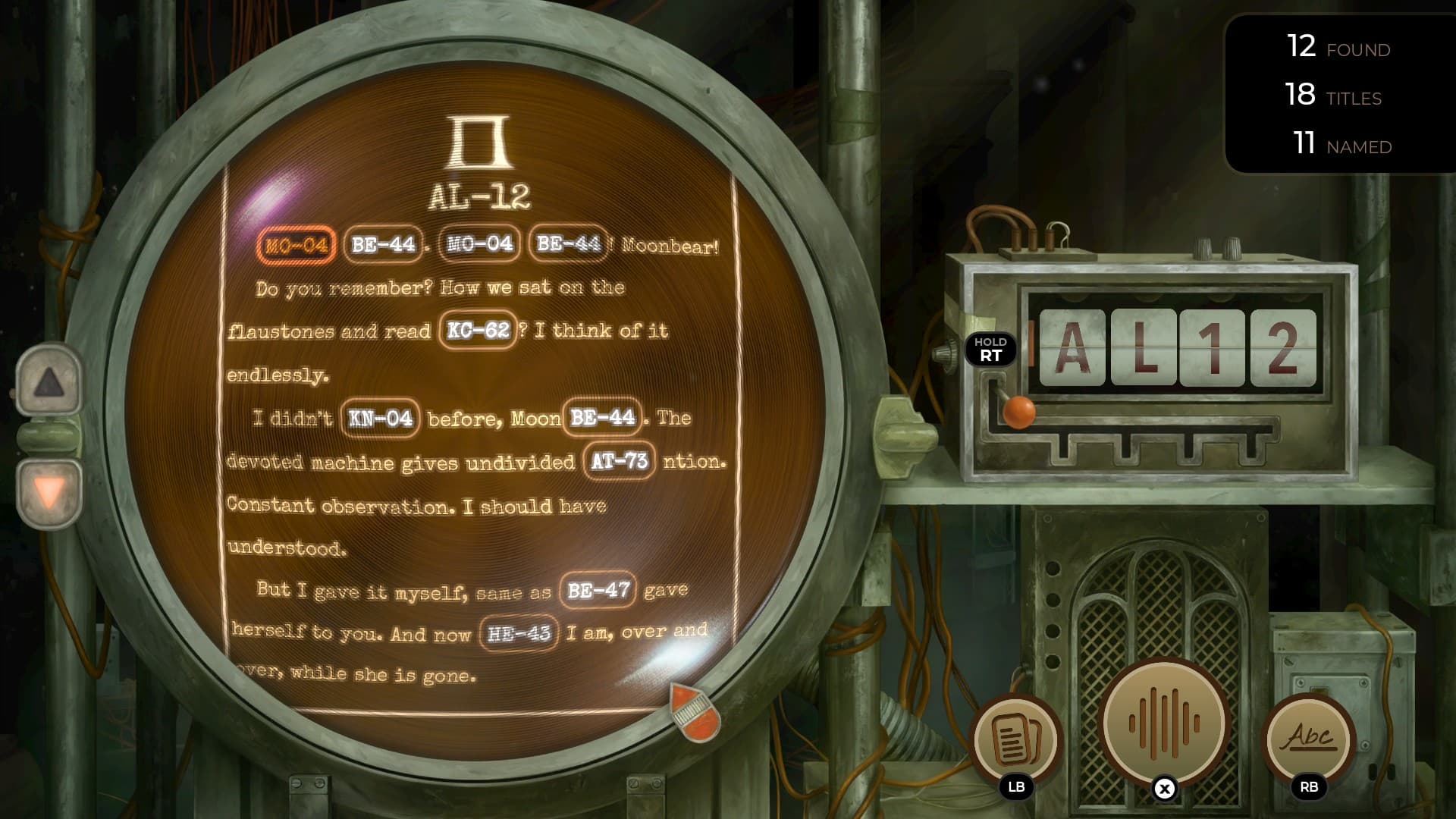
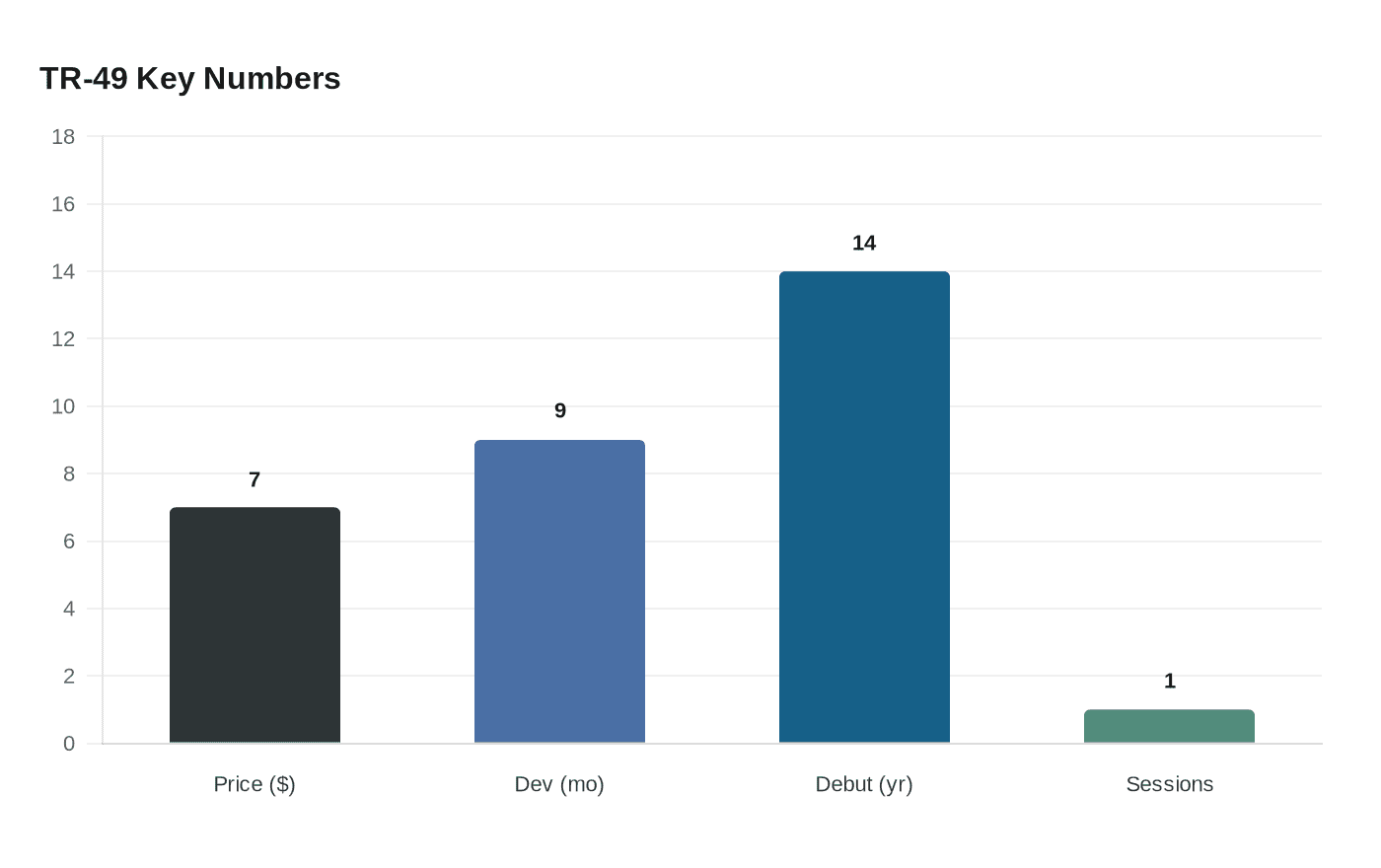
Inkle launched TR‑49 as a compact, audio-forward narrative deduction game and co‑founder Jon Ingold described the release as the studio's strongest debut in 14 years. TR‑49 was developed in nine months using the Godot engine, priced at $7, and was designed specifically as a short, one-sitting experience that leans on sound and puzzle logic over longform storytelling.
TR‑49 places players in a World War II‑adjacent scenario that uses deduction and puzzle mechanics to drive an investigative arc. The design goal prioritized clarity and immediacy: a tight runtime that respects players with limited time, and an audio-led narrative that foregrounds voice, ambience, and cues as primary gameplay signals. The result is a focused release meant to be completed in a single session rather than stretched into dozens of hours.
Jon Ingold framed the project as part of Inkle's experimental workflow, using small teams and condensed schedules to test ideas quickly. Choosing Godot for a nine-month build underscored a push toward accessible, nimble development tools for narrative work. For indie developers watching toolchains and production models, TR‑49's development timeline and engine choice provide a practical example of how small teams can ship polished, concept-driven games without long production tails.
Community reaction around the launch emphasized the game's audio-first approach and compact format. Players and commentators have discussed the value proposition of a $7 price point for a carefully scoped one-sitting title, and many in forums and streams highlighted how TR‑49's puzzles and sound design create a memorable short playthrough that invites replay for different deduction angles. Coverage and conversation continue to surface additional impressions about difficulty, pacing, and how the audio design supports player inference.
For readers who balance free time with a steady appetite for narrative games, TR‑49 presents a low-cost, low-time-commitment option that still rewards close listening and puzzle work. For developers and modders, the project offers a case study in rapid prototyping on Godot and in shipping experimental, audio-forward design on a modest budget.
What comes next is worth watching: Inkle's success with TR‑49 may encourage more studios to package tightly focused experiences at lower price points, and it may influence indie teams to adopt compressed development cycles for high-concept prototypes. For players, TR‑49 is an accessible doorway into Inkle's experimental side and an example of how short games can deliver sharp, replayable design.
This article was produced by Prism’s automated news system from verified source data, official records, and press releases, then run through automated quality and moderation checks before publishing. The system is built and supervised by the people who set the standards it runs under. Read our full AI policy.
Did this article answer your question?