Jonathan Blow’s criticism spotlights Derelict Star’s unusual feel and difficulty
Jonathan Blow’s rage quit has become a weirdly perfect ad for Derelict Star, a momentum-heavy platformer built to be learned, not instantly liked.
Blow’s dismissal says as much about platformer literacy as it does about Derelict Star
Jonathan Blow’s public shrug at Derelict Star lands like a clean insult on first read, but that is exactly why it is useful. The game that made the Braid and The Witness creator rage quit is not a polished obstacle course asking for a quick thumbs-up, it is a movement game asking players to recalibrate what “good control” feels like. Shaun Prescott’s PC Gamer feature uses that clash to make a sharper point: sometimes the first sign that a platformer is working is that it refuses to behave like the last ten years of platformers you’ve internalized.
That matters because the conversation is not happening in a vacuum. Derelict Star launched on Steam and itch.io on April 2, 2026, at a Steam price of $9.99, and by the time Blow’s comment began circulating more widely, the game had already spent weeks building a quiet audience among movement-platformer fans. This is not a case of one famous post inventing the discourse. It is a case of a niche game already earning believers, then getting a louder spotlight when one of the medium’s most opinionated designers bounced hard off the opening stretch.
What kind of game is Derelict Star, really?
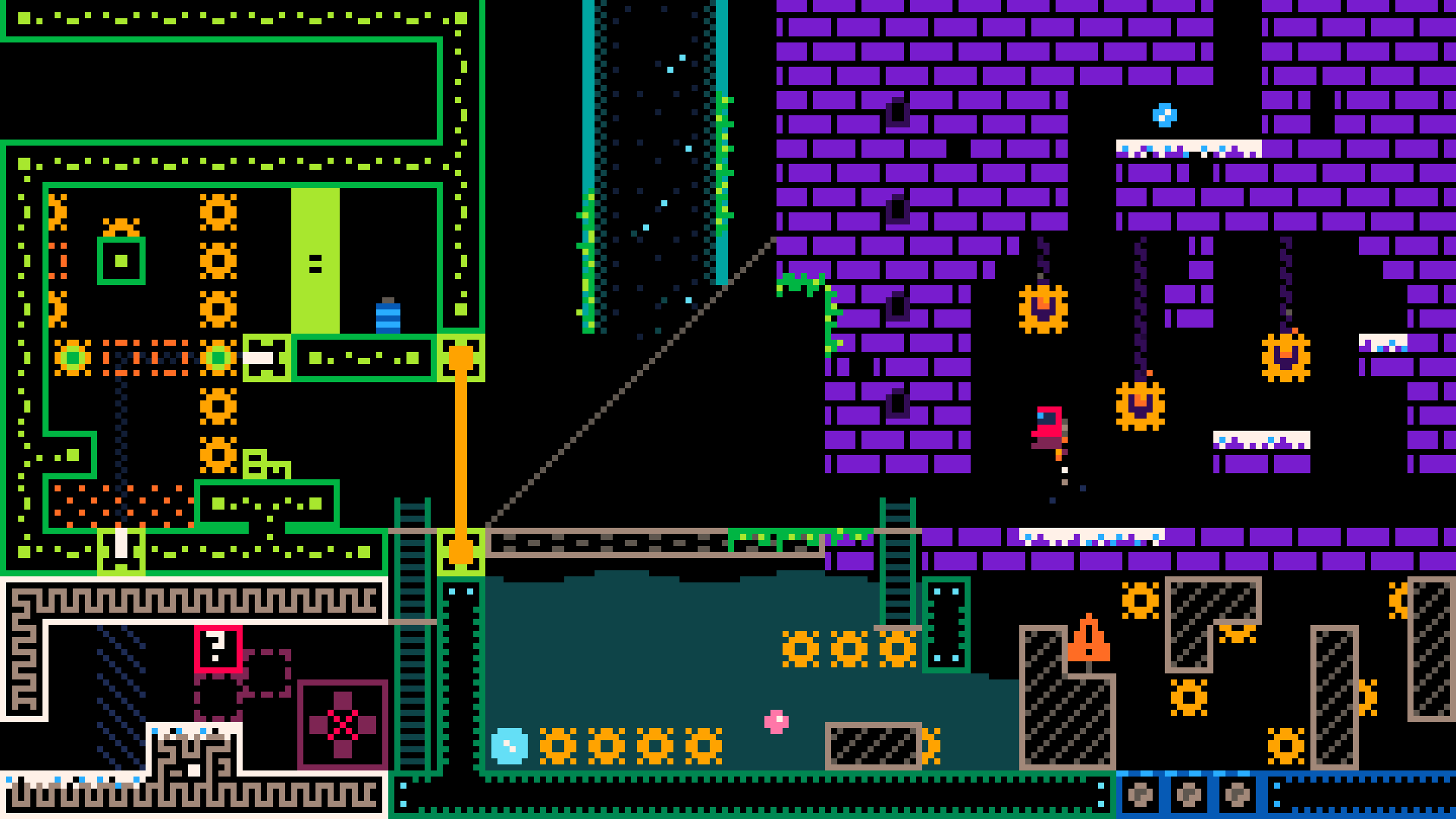
The store pages are blunt about the design goal. Steam describes Derelict Star as a “precise momentum-based platformer” built around exploration and navigation puzzles, while the itch.io description frames it as a mix of exploration, precision platforming, and rules discovery. That language is not marketing fluff so much as a warning label for the sort of player who wants friction to mean something.
The developer’s own note sharpens the picture further. They say they wanted “simple and intuitive controls that are hard to master,” with movement emphasizing “momentum and pixel precision.” That tells you almost everything you need to know about why the game reads as elegant to its fans and stubborn to its detractors. It is not trying to hide its demands. It is trying to make those demands feel like the point.
Set aboard an abandoned derelict freighter, the game also leans into atmosphere as part of the learning process. The ship setting is not just window dressing for jumps and wall grips; it gives the exploration loop a sense of dead space, where every route feels discovered rather than handed over. In a lot of indie platformers, the clean line is the prize. In Derelict Star, the prize seems to be the act of understanding the machine you are inside.
Why Blow’s complaint hit a nerve
Blow’s quote on the store page, “The intro level made me rage quit, unfortunately,” became the shorthand for the debate because it compresses a real divide in player expectation. His reaction also included criticism of the controls and of how the challenges are presented, which is the exact place where the argument gets interesting. To a player expecting immediate clarity, the game can look clumsy. To a player attuned to movement-first design, that same resistance can feel intentional, even expressive.
That split is central to how Shaun Prescott frames the game in PC Gamer. The feature pushes back against the easy read that Derelict Star is merely awkward or unfair, arguing instead that it is much more interesting than a complaint about clunky controls would suggest. In other words, the game may be speaking a dialect that a veteran designer heard as a mistake. For everyone who has spent years chasing air-dashes, tight drift, buffered inputs, and the exact sensation of carrying speed through a turn, that “mistake” can look a lot like style.
The best indie platformers often live or die on this exact misunderstanding. Some are trying to be welcoming. Others are trying to make movement itself the subject, the texture, and the test. Derelict Star sits firmly in the second camp, and Blow’s reaction accidentally highlights the game’s real proposition: if you want it to feel familiar immediately, you may be fighting the design rather than learning it.
The audience was already forming before the controversy
The biggest clue that Derelict Star is more than a one-post talking point is that it was already collecting endorsements from people who know this corner of the genre well. Raigan Burns, co-creator of N and N++, called it, “I seriously cannot recommend this game enough.” Daniel Linssen called it “absolutely lovely.” Those are not generic blurbs; they are signals from players and makers who recognize a very specific kind of platformer language.
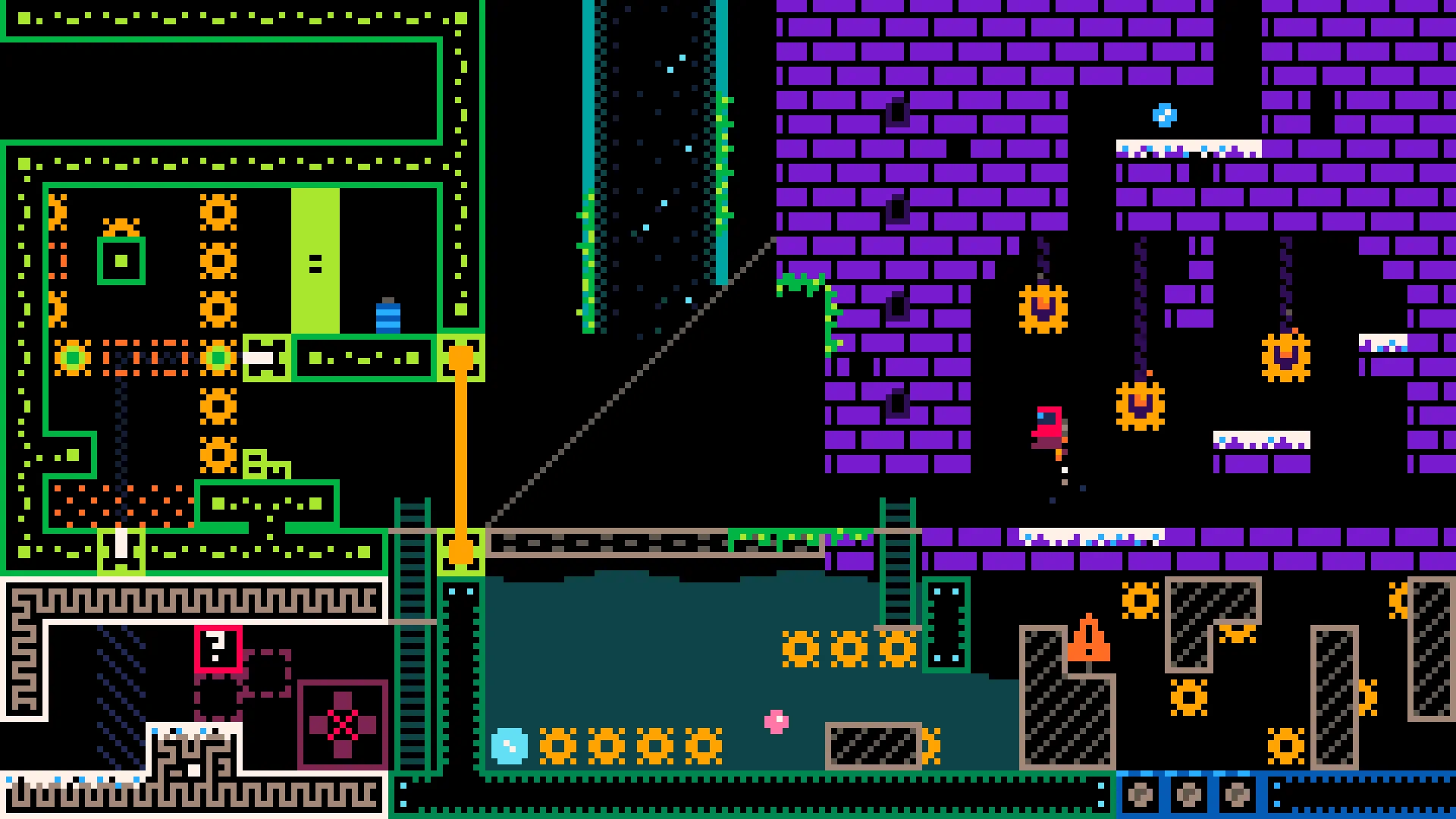
Errant Signal pushed that even further, describing the game as “your favorite platformer’s favorite platformer.” That line lands because it captures the strange social life of precision games. The broader audience may bounce off them, but the people who love them tend to care intensely about feel, route-finding, and the tiny physical truths hidden inside movement. Errant Signal also noted praise from Raigan Burns and Adam Saltzman, the Canabalt co-creator, which places Derelict Star in a recognizable lineage of movement-first games that includes N, N++, Canabalt, Celeste, and even Baby Steps.
That lineage helps explain why Blow’s criticism can function as both dismissal and promotion. For players already searching for odd, exacting movement systems, a famous designer’s frustration is not a warning to stay away. It is a dare. The game’s store pages already had the kind of endorsements that attract platformer obsessives, so the public argument simply widened the funnel.
The post-launch updates show a living game, not a one-off provocation
There is also a practical reason the Blow debate matters now: Derelict Star is not frozen in launch state. The game has already received post-launch updates, including versions 1.0.3 and 1.0.6.1, which suggests an active effort to tune the experience after release. In a game where control nuance is the whole conversation, those patches are not incidental. They imply a developer still paying attention to feel, timing, and the tiny frictions that define mastery.
That makes the PC Gamer feature, published on May 26, 2026, feel less like a review of a finished object and more like a snapshot of a live argument. The game had been out for roughly seven weeks, enough time to attract advocates, critics, and people curious enough to test whether the opening really is as unforgiving as Blow made it sound. What emerges is a familiar indie pattern, but one with unusual clarity: the same qualities that repel one famous designer can become the exact reasons a smaller, more specialized audience falls in love.
Derelict Star is not asking to be forgiven for its feel. It is asking to be learned. And once you see Blow’s rage quit as a collision between expectations and design intent, the game’s strange confidence comes into focus, not as a flaw to smooth away, but as the thing that makes it worth mastering.
This article was produced by Prism’s automated news system from verified source data, official records, and press releases, then run through automated quality and moderation checks before publishing. The system is built and supervised by the people who set the standards it runs under. Read our full AI policy.
Did this article answer your question?