Kensuke Tanabe Confirms Metroid Prime 4 Will Be His Final Nintendo Production
Kensuke Tanabe confirmed Metroid Prime 4: Beyond will be his final Nintendo production, signaling a leadership change for the Metroid Prime line.

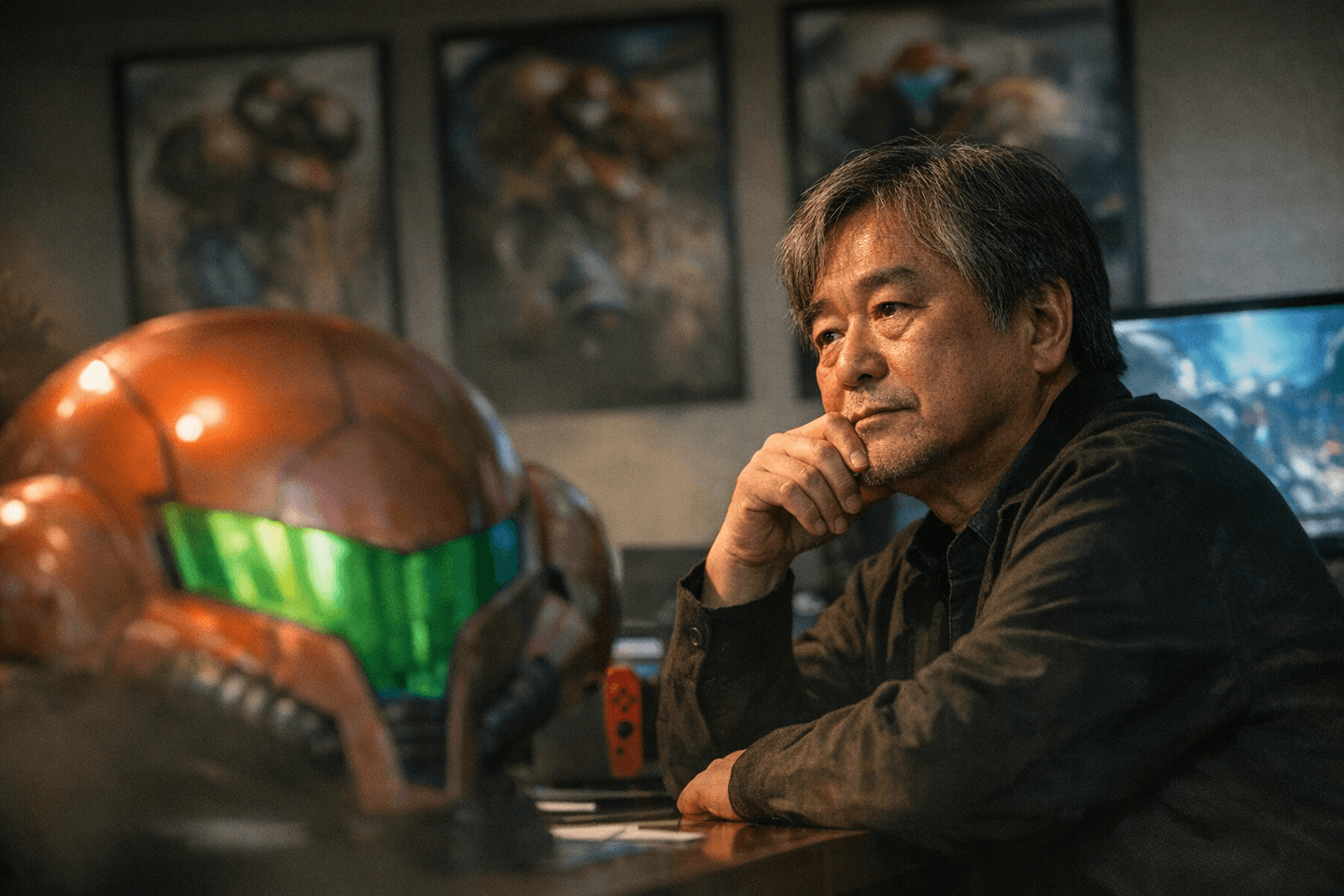
Kensuke Tanabe announced that Metroid Prime 4: Beyond will be his final production role at Nintendo, a move that reshapes stewardship of one of the company’s most influential franchises. Translated excerpts of an interview circulated online on January 22, 2026, and Tanabe used the conversation to reflect on his career and the process of handing off future responsibilities.
Tanabe is a long-time Nintendo producer whose name is closely tied to Metroid Prime-era projects. His confirmation that he will step away from production duties closes a chapter for the series’ veteran leadership and prompts immediate questions about who will steer Metroid Prime 4: Beyond through the remainder of development and into post-launch support. For players, modders, speedrunners, and preservationists, changes at the production level can affect tone, design priorities, and ongoing update strategies.
The practical impact for players is twofold. First, expectations around continuity and creative decisions may shift as new producers bring different priorities to level design, storytelling, and technical execution. Second, community-facing elements such as patch cadence and developer engagement could change depending on Nintendo’s internal staffing choices. Fans who follow patch notes, developer interviews, and speedrun-friendly design will want to track official updates closely as Metroid Prime 4: Beyond progresses.
Tanabe framed his decision as part of an intentional handoff rather than an abrupt departure, suggesting a planned transition that could preserve core series values while allowing fresh leadership to introduce new ideas. That balance matters for fans who value the signature atmosphere, exploration mechanics, and environmental storytelling that defined the Prime era. Developers and commentators within the community will be watching how Nintendo assigns roles and whether the incoming stewardship maintains the franchise’s legacy systems, such as inventory design and combat pacing, or leans into new directions.
For the local and global Metroid community, the immediate steps are straightforward: follow official channels for confirmed personnel changes and patch schedules, and consult full translations of Tanabe’s interview for nuance around his statements on career and stewardship. Community archivists and speedrun organizers should preserve current documentation of mechanics and version histories in case new leadership alters systems that affect runs.
Looking ahead, Kensuke Tanabe’s exit from production marks both an end and a milestone for the Metroid Prime lineage. The next phase will reveal how Nintendo balances continuity with innovation, and how new producers translate franchise heritage into gameplay for a next generation of players.
This article was produced by Prism’s automated news system from verified source data, official records, and press releases, then run through automated quality and moderation checks before publishing. The system is built and supervised by the people who set the standards it runs under. Read our full AI policy.
Did this article answer your question?