Nintendo says Switch 2 price hikes are here to stay
Nintendo is making the Switch 2’s higher sticker price stick, with U.S. pricing jumping to $499.99 and Japan’s base model rising to ¥59,980.

Nintendo is telling players to treat the Switch 2’s higher price as the new baseline, not a one-off bump. The company said its revised pricing reflects market conditions it expects to last “over the medium to long term,” a sharper message than the usual hardware wobble. For anyone weighing an upgrade, that means the clock matters: the Switch 2 will rise to $499.99 in the United States on September 1, 2026, while Japan gets a ¥59,980 tag on May 25, 2026.
The changes are broad. In Canada, the Switch 2 moves from C$629.99 to C$679.99 on September 1, 2026. In Europe, it climbs from €469.99 to €499.99 on the same date. Nintendo said the Switch 2 Multi-Language System sold through My Nintendo Store in Japan will stay unchanged, but the main regional pricing picture is clear: the launch-era number is giving way to a higher floor.
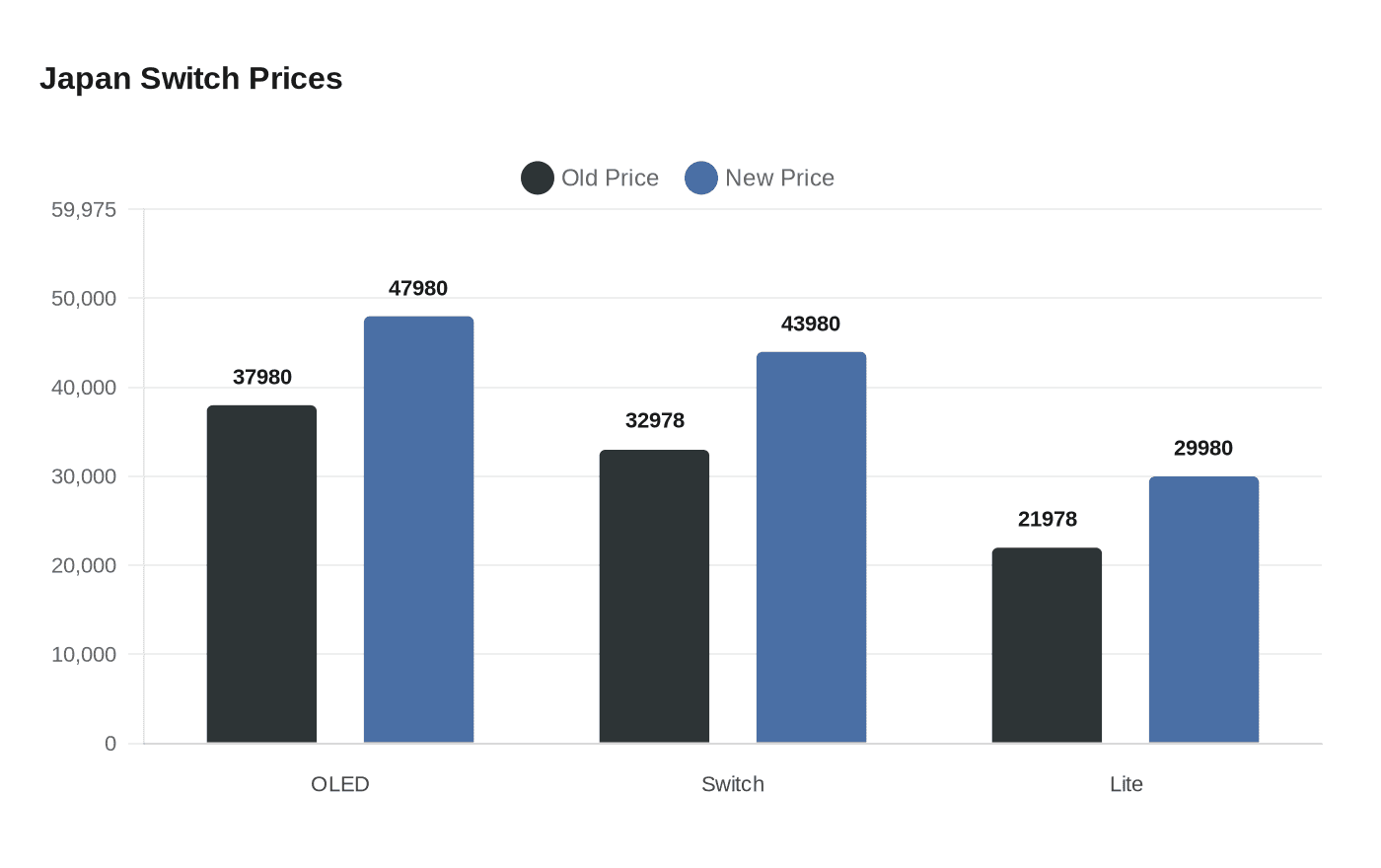
Japan is also where Nintendo is pushing the hardest on its older hardware. The OLED model rises from ¥37,980 to ¥47,980, the standard Switch from ¥32,978 to ¥43,980, and the Switch Lite from ¥21,978 to ¥29,980, all effective May 25, 2026. Nintendo also said Japanese Nintendo Switch Online pricing will change on July 1, 2026, with further revisions planned for South Korea. That broad sweep makes the company’s position hard to miss: the cost reset is not limited to one flagship machine.
The business rationale is straightforward. Shuntaro Furukawa said Nintendo would have preferred not to raise hardware prices if the pressure had been temporary, but keeping the old pricing would have hurt hardware profitability significantly. Component costs have been climbing, especially memory, while tariffs, shipping costs, foreign exchange swings, and supply-chain strain have all added pressure. The backdrop is ugly enough that Nintendo and Sony both flagged surging memory prices as AI demand tightens chip supply across tech.
The timing makes the move even more consequential. Nintendo said Switch 2 sales through the end of the fiscal year reached 19.86 million units, beating both its original 15 million forecast and a later 19 million revision. Even so, Furukawa said momentum should cool in the current fiscal year ending March 2027, which is why Nintendo set a 16.5 million unit target. That softer outlook helped rattle investors, with Nintendo shares falling as much as 9% and still down about 7% in Tokyo afterward.
For players, the message is as plain as the new price tags. The Switch 2 is no longer being positioned like a bargain launch machine that might settle back down after the supply crunch passes. Nintendo is treating the higher number as the cost of doing business now, and that changes the upgrade decision for everyone looking at the calendar and the checkout screen at the same time.
This article was produced by Prism’s automated news system from verified source data, official records, and press releases, then run through automated quality and moderation checks before publishing. The system is built and supervised by the people who set the standards it runs under. Read our full AI policy.
Did this article answer your question?