Ouros creator accuses Zenless Zone Zero of copying puzzle design
Michael Kamm says Zenless Zone Zero lifted Ouros’ puzzle design, and he posted side-by-side video to show why a tiny indie is forced to prove itself against a giant.
Michael Kamm is making the kind of case small developers dread having to make in public: that a billion-dollar live-service game borrowed from his work and left him to prove it with video receipts. Kamm, the creator of Ouros, says MiHoYo lifted a puzzle design from his indie release and dropped it into Zenless Zone Zero, a claim that lands hard because the comparison is not just about one minigame. It is about who gets believed when a tiny studio squares off against a blockbuster with enormous reach.
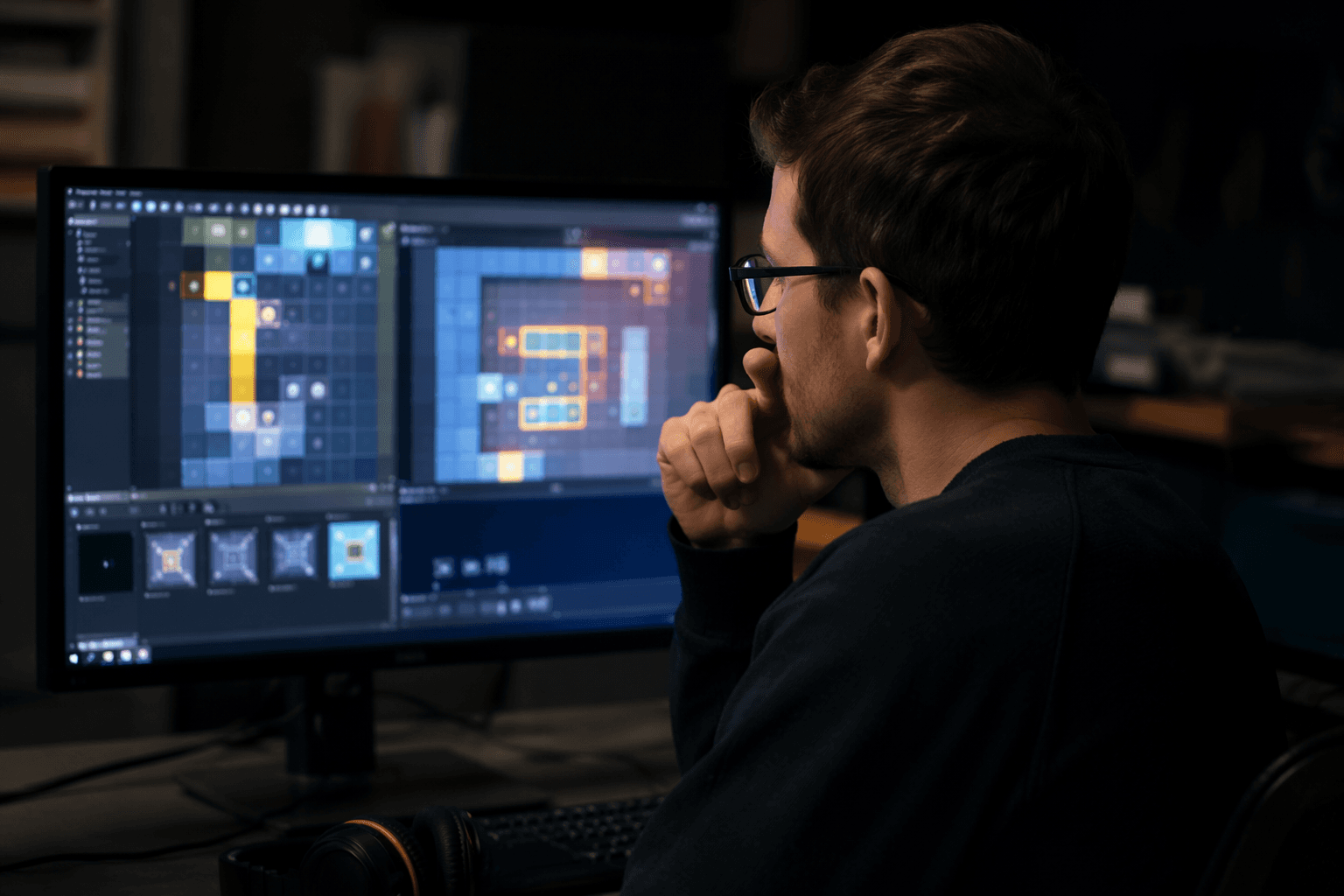
Ouros launched on Steam on May 22, 2024, with Kamm listed as both developer and publisher. Its official description frames the game as a calming puzzle experience built around bending and stretching curves to guide an orb through targets, with more than 120 handcrafted puzzles, an original spline-based control scheme, a hint system, and no timers or dexterity demands. That makes the current dispute sharper, because Kamm is pointing to very specific parts of the design language, not a loose genre resemblance.

In the video Kamm shared, the Zenless Zone Zero minigame is shown with curve manipulation, curve portals that teleport the ball, a reverse-direction control, a hint system, and a hazy flowing background. Kamm said the Zenless Zone Zero version was added in 2025, and he argued that the similarities are hard to dismiss once the clips are played back to back. He also said some players assumed Ouros had copied MiHoYo instead, simply because MiHoYo is a recognized billion-dollar studio and Ouros is not widely known.
That visibility gap is the real pressure point. When an indie developer has to produce side-by-side footage just to keep the conversation from tilting toward the larger brand, the argument has already escaped the level of fandom debate and become a question of power. The practical fear is obvious too: if smaller creators think big live-service games can absorb a mechanic or presentation without credit, that can chill experimentation long before anyone files a formal complaint.
The accusation also arrives with extra baggage. PC Gamer said this was the second time over the past month that MiHoYo had been accused of ripping off an indie project. Kamm has also faced pushback from people who said Ouros looked like the 2023 online game Primo, but he responded that Primo itself resembles Splines ‘n Shapes, a Ludum Dare project he made in 2020. Earlier this year, Polygon reported a similar complaint from the developers of Map Map – A Game About Maps, who said a Genshin Impact event echoed their cartography mechanic, underlining how often these disputes now unfold in public before any formal recourse arrives.
With Zenless Zone Zero still getting fresh updates on HoYoverse’s official news page as of May 28, 2026, the scale difference is impossible to miss. Kamm is not just arguing about a puzzle, he is asking how far an indie creator can get when the only thing standing between borrowed design and accountability is a comparison video.
This article was produced by Prism’s automated news system from verified source data, official records, and press releases, then run through automated quality and moderation checks before publishing. The system is built and supervised by the people who set the standards it runs under. Read our full AI policy.
Did this article answer your question?