Peak success pushes Aggro Crab toward co-op games
Peak started as a side project, then exploded so fast that Aggro Crab is now leaning into co-op as its defining lane.
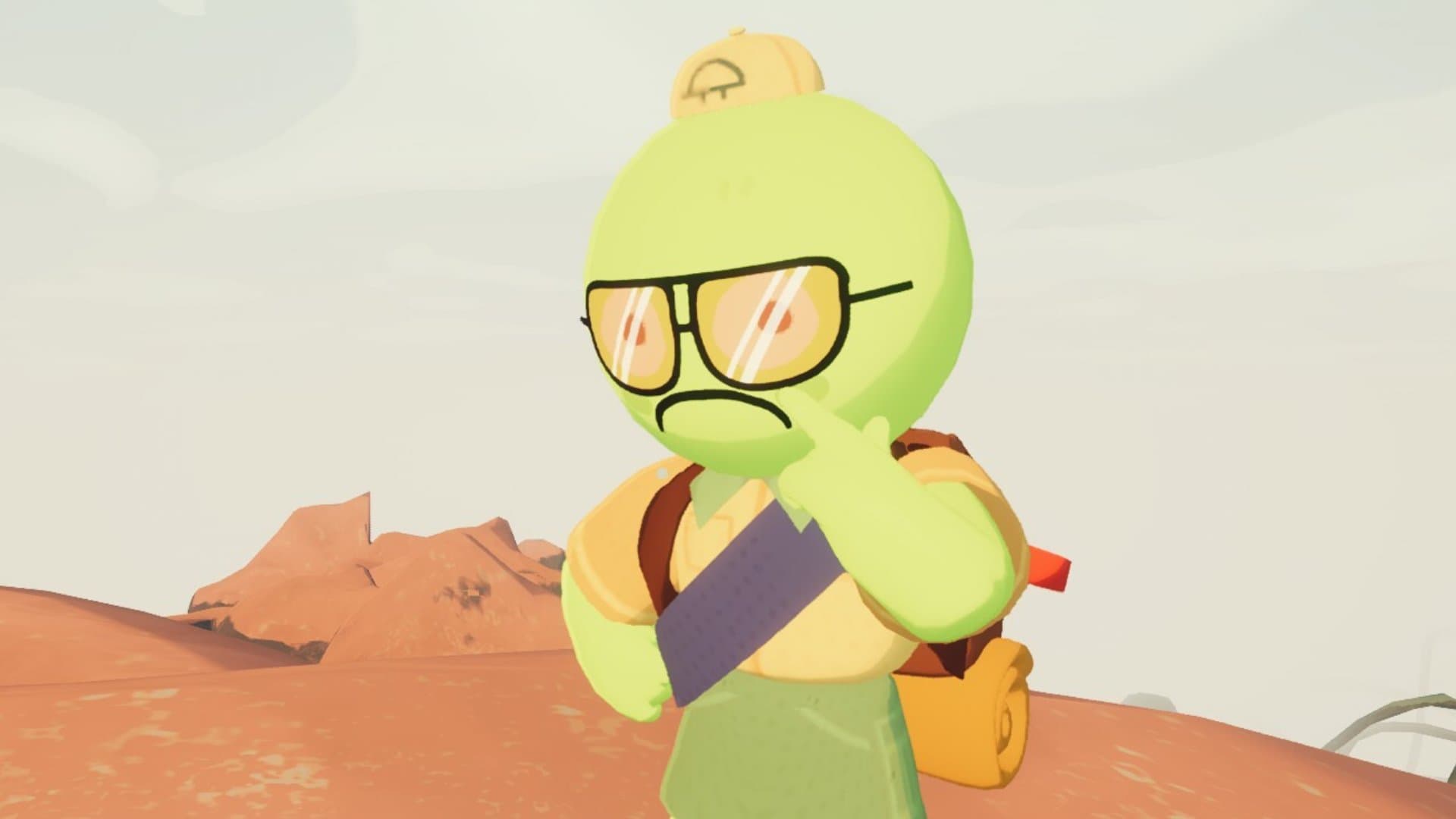
Peak turns a side project into a studio identity
Aggro Crab did not set out to become the co-op chaos studio. Peak began more like a side hustle than the center of the plan, but the climbing game landed hard enough that the team’s self-image shifted almost overnight. Studio head Nick Kaman said the studio had thought of itself as a character-action outfit before Peak changed the direction of what it wanted to make next.

That pivot matters because it shows how quickly players can redraw an indie studio’s roadmap. Once a game catches on for its social energy, its humor, and the weirdly memorable stories that only happen when friends are scrambling up the same mountain, it stops being just a release and starts becoming the thing everyone expects from the studio behind it.
What Peak actually is, and why it spread
Peak released on June 16, 2025, and launched on Steam at $7.99 in the US and £6.39 in the UK. PC Gamer’s review described it as a co-op climbing game for up to four players, while Steam frames it as a co-op climbing game where the mountain changes every day and players help each other with ropes and climbing spikes. That mix of simplicity and surprise is a big part of why it travels well between friends, streamers, and anyone who can sum it up in one breath.
Aggro Crab’s own site now describes Peak as a co-op survival climbing game made in collaboration with Landfall Games. That detail matters because it places the game not just as an internal hit, but as the product of a partnership that helped sharpen its identity into something instantly legible to players.
The numbers made the decision for them
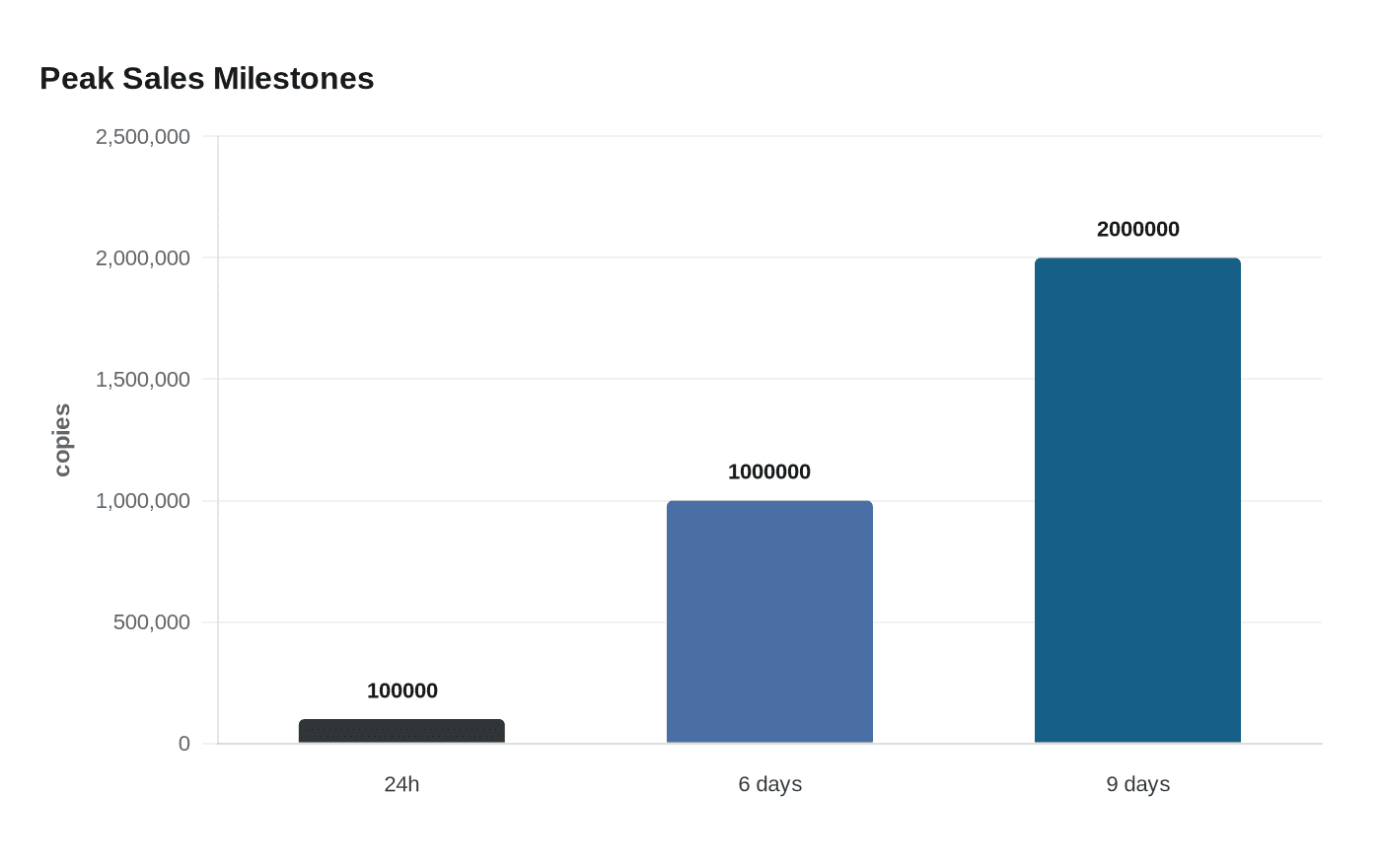
The sales pace explains why the studio could not treat Peak like a one-off experiment. GamesIndustry.biz reported that it sold more than 100,000 units within 24 hours, then crossed 1 million copies in six days. PC Gamer later reported that the game reached 2 million copies sold in nine days.
Those are the kind of numbers that force a studio to listen closely to what the audience is saying without ever putting it into a formal strategy memo. When a game moves that fast, support, bug fixes, and future planning stop being abstract production tasks and start revolving around the community that formed around the hit.
Aggro Crab had already built a weird, funny lane, but Peak pushed it toward togetherness
Aggro Crab is based in Seattle, Washington, and its current homepage lists Peak, Another Crab’s Treasure, and Going Under among its hit games. That lineup shows a studio that has always liked distinctive pitches, from sardonic satire to creature-centric action, but Peak marks a sharper turn toward multiplayer play.
The earlier work helps make the shift clearer. Aggro Crab’s Going Under press kit says Nick Kaman and Caelan Pollock had been working together in game development for almost five years and set out on the project in January 2019. Going Under released in 2020 as a satirical dungeon crawler about failed tech startups, published by Team17. Another Crab’s Treasure arrived on April 25, 2024, as a soulslike adventure set in a crumbling underwater world. Both games show a studio comfortable with personality, combat, and strong themes, but neither pointed as directly toward co-op as Peak does.
Why players grabbed Peak so quickly
PC Gamer’s framing gets at the heart of the shift: Peak was not only a product that sold, it was a game that revealed what players wanted from Aggro Crab. The blend of humor, shared panic, and emergent teamwork created the kind of experience that spreads naturally in friend groups and on streams. It is easy to explain, easy to watch, and, crucially, easy to imagine yourself failing in.
That is the broader indie lesson tucked inside the story. The games that explode most reliably are often the ones that feel social from the first clip. If a game creates funny disaster stories in the first session, players do part of the marketing for you, and the studio learns very quickly where the audience is pulling it.
Co-op is becoming the lane, not just a feature
Kaman’s comments point to more than a lucky hit. He said the success helped the team commit more fully to co-op, which suggests Peak changed not just the studio’s release calendar but its creative confidence. Instead of treating co-op as one thing Aggro Crab can do well, the studio may now be building toward a future where co-op is what it is known for.
That kind of identity shift can be difficult in any studio, especially one with a history of making sharply different games. But in this case the audience seems to have voted with its time and attention, and the result is a clearer lane for whatever comes next. The message is not subtle: the market wants more of the shared chaos Peak delivers.
What this means for the studio after the hit
The practical consequences are already visible in how Aggro Crab presents itself. Peak now sits beside Another Crab’s Treasure and Going Under on the studio’s site as one of its hit games, which quietly elevates it from experiment to pillar. That kind of repositioning does more than celebrate a bestseller. It tells players, partners, and the studio itself where the momentum is headed.
Peak’s success looks less like a lucky break than a creative course correction. A project that started small found the exact audience that wanted to climb, fall, laugh, and recover together, and that audience pulled Aggro Crab toward a new identity. The side hustle grew teeth, and now the studio’s future is looking a lot more cooperative.
This article was produced by Prism’s automated news system from verified source data, official records, and press releases, then run through automated quality and moderation checks before publishing. The system is built and supervised by the people who set the standards it runs under. Read our full AI policy.
Did this article answer your question?