Philippines Threatens Roblox Ban Over Child Safety and Grooming Concerns
Philippine telecoms PLDT and Smart are on standby to block Roblox at the network level, a ban that could hit millions of Filipino kids and local Robux creators within days.
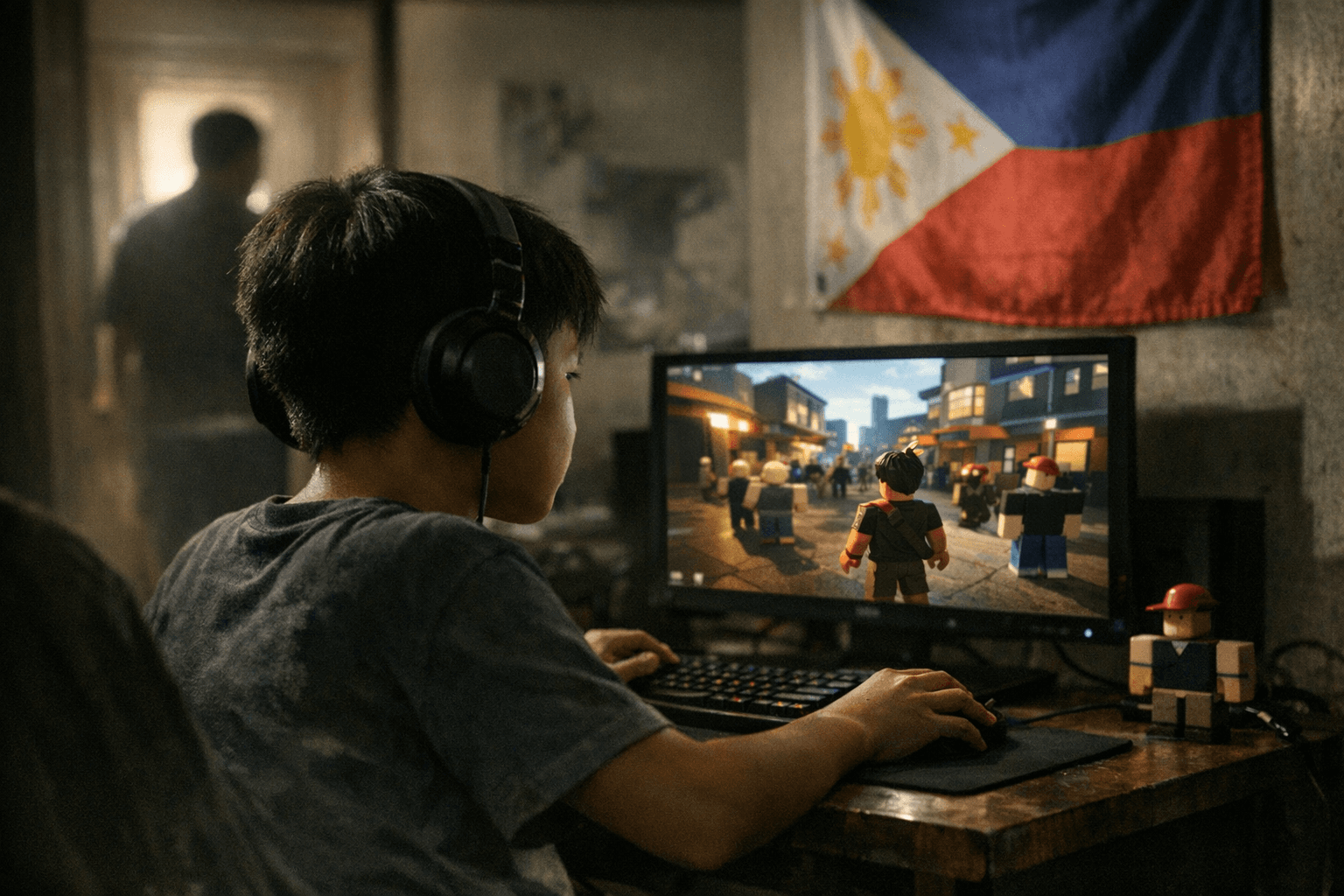
The Philippine government gave Roblox a hard deadline it cannot negotiate its way past: show up with real answers on April 7, or face a nationwide ban enforced not by a court order sitting in a filing cabinet, but by the country's two largest telecommunications providers cutting access at the network level.
The Cybercrime Investigation and Coordinating Center and the Department of Information and Communications Technology have been building toward this moment since at least March 31, when they convened a public dialogue with stakeholders and laid out what officials described as "bare minimum" remediation steps. The demands are specific: stronger age verification, improved content moderation, and the appointment of a local regulatory liaison capable of responding to law enforcement and child protection requests in real time.
What brought Manila to this point is a mounting pile of reported grooming incidents involving Filipino minors on the platform. Roblox's scale amplifies the concern considerably — the platform draws tens of millions of daily users worldwide, with a disproportionate share under 13. In the Philippines, where mobile data is the primary internet access vector for millions of households, Roblox has become a fixture of childhood for many kids who have no desktop gaming alternative.
That reach is precisely what makes the telco angle so consequential. PLDT and Smart Communications, which together cover the vast majority of mobile and broadband subscribers in the country, publicly stated they are prepared to execute blocking orders if regulators move forward. A network-level block is not a suggestion; it means the app simply stops working for most of the country, regardless of whether Roblox remains listed in the App Store or Google Play.
The people who feel that first are not corporate stakeholders. They are Filipino kids who play on free-to-play accounts, parents who gave their children permission to log on without knowing about the grooming risk the CICC has now documented, and the smaller cohort of local creators who have built games and earned Robux on a platform that may become inaccessible to their home audience overnight.
Philippine regulators have been explicit that this is not a technology vendetta. The CICC framed the ultimatum as a child-protection measure with a traceable evidentiary basis, not a jurisdictional power play. That framing matters internationally. Southeast Asian regulators have watched the Philippines' earlier digital-safety moves closely, and a successful ban here, or a compliance agreement extracted under credible threat of one, gives every regional government a workable template.
Roblox has said it is working on safety improvements and has engaged with regulators in other markets, but Philippine officials indicated after the March 31 dialogue that they needed concrete, auditable steps rather than roadmap commitments. The April 7 meeting is the platform's opportunity to demonstrate that what it has already built is sufficient, or to commit to a compliance timeline with enough specificity to satisfy the CICC. The infrastructure to enforce a ban is already in place and waiting.
This article was produced by Prism’s automated news system from verified source data, official records, and press releases, then run through automated quality and moderation checks before publishing. The system is built and supervised by the people who set the standards it runs under. Read our full AI policy.
Did this article answer your question?