Pocketpair says generative AI has no place in its game-making future
Pocketpair drew a hard line against generative AI, saying it does not belong in the studio’s future and players do not want it. That stance puts Palworld on the human-made side of a widening industry split.
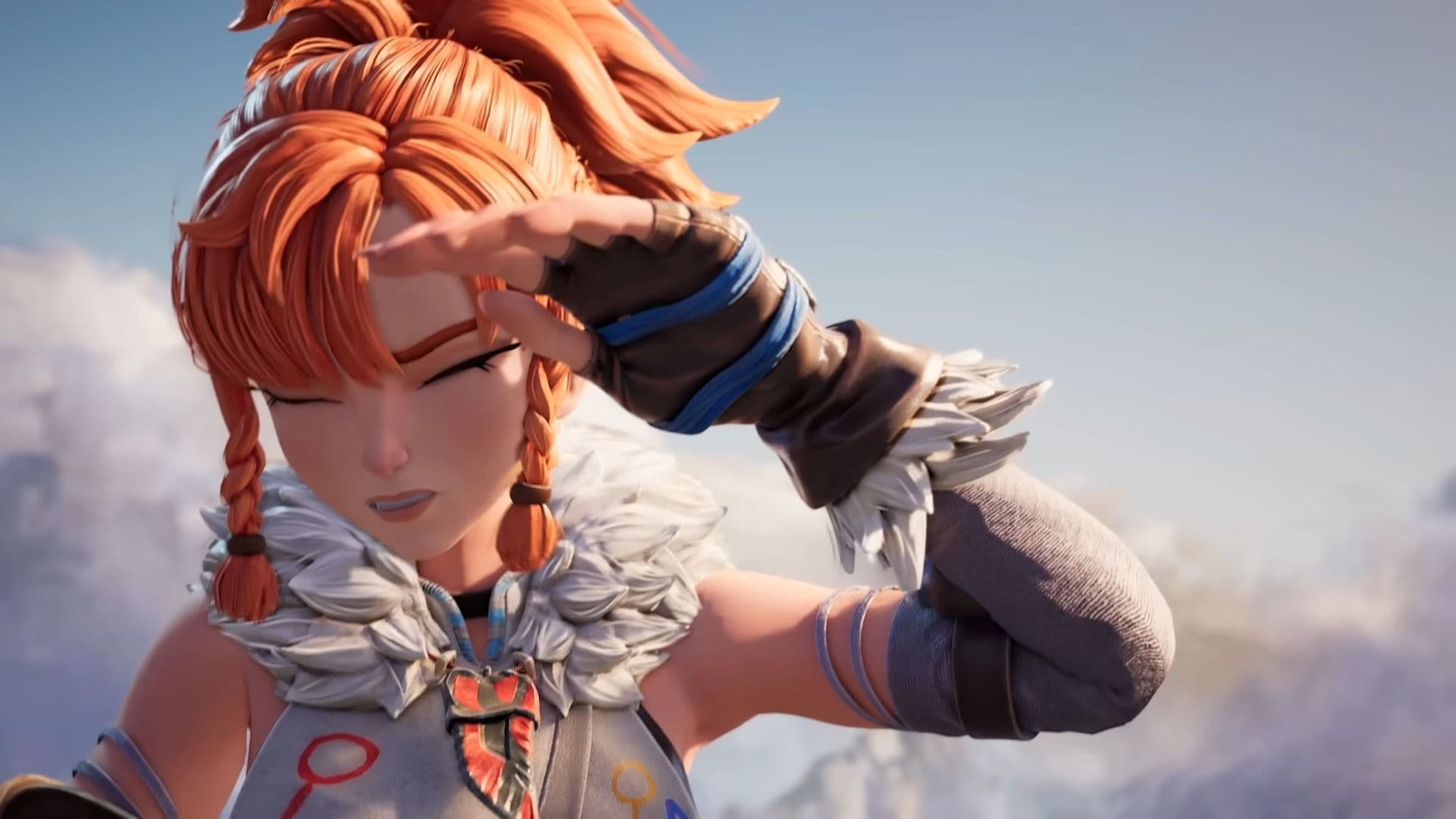
Pocketpair has drawn a clear line against generative AI, and John Buckley says the studio does not see it as part of its game-making future. The developer and publisher’s communications lead said the audience is not interested in AI-made content, and that there is no reason to force it into production when Pocketpair already has in-house artists doing the work.
Buckley’s comments go beyond a simple anti-AI soundbite. He argued that replacing artists with a machine makes little sense for a studio that already has creative talent on staff, and he described the current enthusiasm around AI as something closer to an early crypto-style hype cycle than a lasting creative shift. He also suggested the industry may eventually need clearer labels so buyers can tell whether a game was made fully by humans.
That warning lands in a market where disclosure is already becoming part of the conversation. Valve introduced Steam’s AI-generated content disclosure rules in January 2024 and later clarified them, requiring developers to disclose generative AI used in game content or live-generated content while exempting workflow tools such as code assistants. The label appears publicly on Steam store pages, and it has become a visible marker in the debate over trust, originality and production shortcuts.
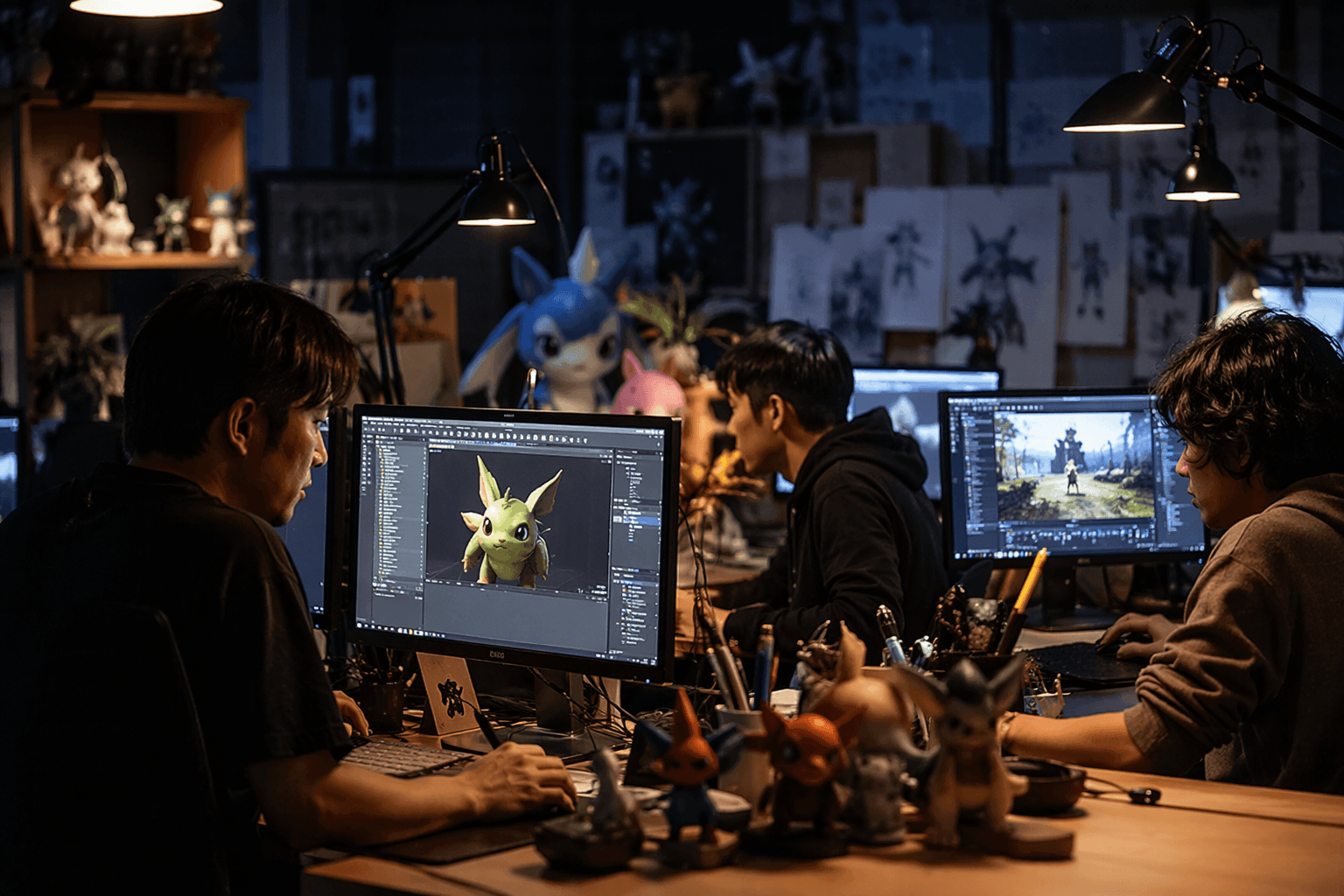
The split is already playing out in public. Epic Games chief executive Tim Sweeney has pushed back on Steam’s AI label, arguing that the technology is becoming embedded in game production and that the disclosure is not useful. At the same time, the number of labeled releases has climbed sharply, with reporting this week saying more than 300 games launched on Steam in a single week and 120 of them carried AI disclosures. Another report said roughly one-fifth of Steam Next Fest demos also included a generative AI disclosure.
Player sentiment is not moving in the same direction as the technology pitch. Circana’s PlayerPulse found that just over 25% of U.S. video game players surveyed in December 2025 said generative AI would make them less likely to buy a game. That gives Pocketpair’s position real market weight: for Palworld and whatever comes next, the studio is not treating AI as a creative shortcut, but as a reputational risk in a community that still cares who, or what, made the art. In a field where studios are arguing over speed, cost and automation, Pocketpair is betting that authenticity is still the stronger sell.
This article was produced by Prism’s automated news system from verified source data, official records, and press releases, then run through automated quality and moderation checks before publishing. The system is built and supervised by the people who set the standards it runs under. Read our full AI policy.
Did this article answer your question?