Polyarc Games Cuts Staff After Major Project Cancellation and Funding Failure
Polyarc built two of VR's most celebrated games and still couldn't close a funding round, triggering layoffs across its ~50-person Seattle team.
Polyarc Games built two of the most celebrated VR titles ever made and still couldn't close a funding round. The Seattle studio behind Moss and Moss: Book II announced March 31 that it would "significantly reduce the size of the company" after a failed effort to secure investment following the cancellation of a major internal project, leaving a team of roughly 50 people facing displacement and the VR market short one more credible mid-sized studio.
The statement, published on LinkedIn, put the situation plainly: "After an unsuccessful team-wide effort to secure funding following the cancellation of a major project, we had to make the decision to significantly reduce the size of the company. This means we're saying goodbye to many talented people who have been a meaningful part of what we've built." Polyarc pledged to circulate a recruiting spreadsheet and offer direct introductions to potential employers for those affected.
The studio did not disclose which project was cancelled or how deep into development it had progressed before being shelved, but the shape of what happened is increasingly recognizable in 2026 VR development. A respected mid-sized team bets on a larger, riskier production, goes to market for investment, finds no takers, and enters a funding spiral. Meta's repeated cutbacks to Reality Labs, including studio closures and reduced content spending, have materially narrowed the commercial signal investors rely on when evaluating VR bets. Without credible platform-side backing to absorb development risk, even a studio with Polyarc's catalog runs out of runway before the next project ships.
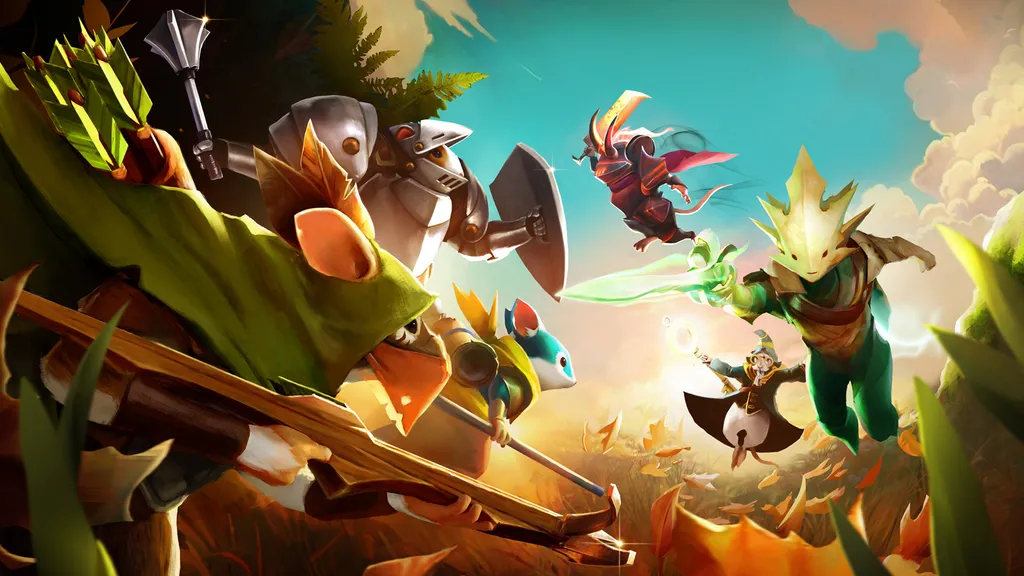
That catalog was genuinely formidable. Moss launched as a defining proof-of-concept for narrative VR, regularly cited alongside a handful of titles as evidence that head-mounted platforms could sustain story-focused games. Glassbreakers: Champions of Moss extended the franchise into multiplayer territory. Neither achievement translated into enough leverage to attract a funding partner for whatever came next.

For players still engaged with either title, the immediate concern is ongoing support. A dramatically reduced headcount typically signals the end of active patches and community engagement, even when the games themselves remain available on their respective platforms.
The broader industry signal is harder to dismiss. Publishers and venture capitalists have spent the last several years demanding clearer short-term returns before committing to speculative premium VR budgets, and Polyarc's outcome reinforces exactly the caution that drives that behavior. For developers and investors weighing VR commitments in 2026, a studio of this reputation still failing to find a funding partner functions as a discouraging data point rather than an invitation.
The question that follows is structural: whether the cycle prompts hardware makers to step back in with platform funding and more aggressive revenue-sharing, or whether investment capital continues chasing AI and data-center infrastructure instead. The experienced VR-native talent now scattered from Polyarc's roughly 50-person team is not easily reassembled, and the institutional knowledge built across years of Moss development is not the kind of thing a hiring spreadsheet replaces.
This article was produced by Prism’s automated news system from verified source data, official records, and press releases, then run through automated quality and moderation checks before publishing. The system is built and supervised by the people who set the standards it runs under. Read our full AI policy.
Did this article answer your question?