Riot says League and Valorant will avoid crossover skin overload
Riot is choosing lore over crossover hype, signaling that League and Valorant will stay in-house even as rivals turn skins into billboard deals.
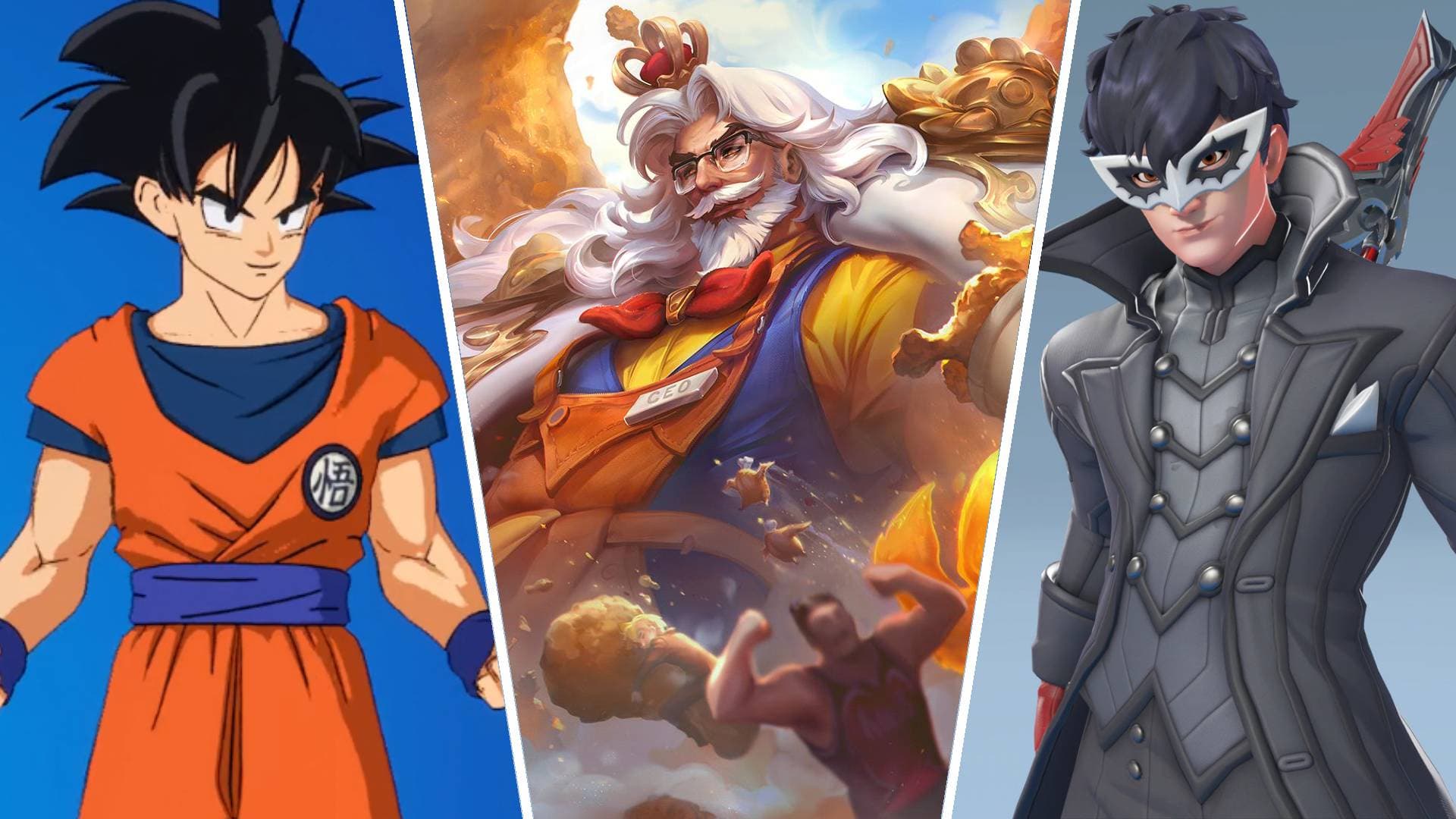
Riot is drawing a hard line around crossover cosmetics, and that choice says as much about identity as it does about sales. League of Legends lead designer August Browning has made clear Riot is “pretty not open” to third-party skins, a stance that keeps League and VALORANT from drifting into the kind of celebrity-and-IP mashup that has become common across live-service games.
The logic is simple enough to read from Browning’s comments: once outside franchises start defining the look of a game, the tone changes with them. Riot appears to think League’s visual language, lore, and competitive readability are worth protecting, even if that means passing on the easy buzz that comes with crossover drops. In a market where Fortnite, Call of Duty, Final Fantasy 14 and Tekken all use collaborations to widen appeal and push cosmetics, Riot is making a different bet, one built on cohesion rather than novelty.
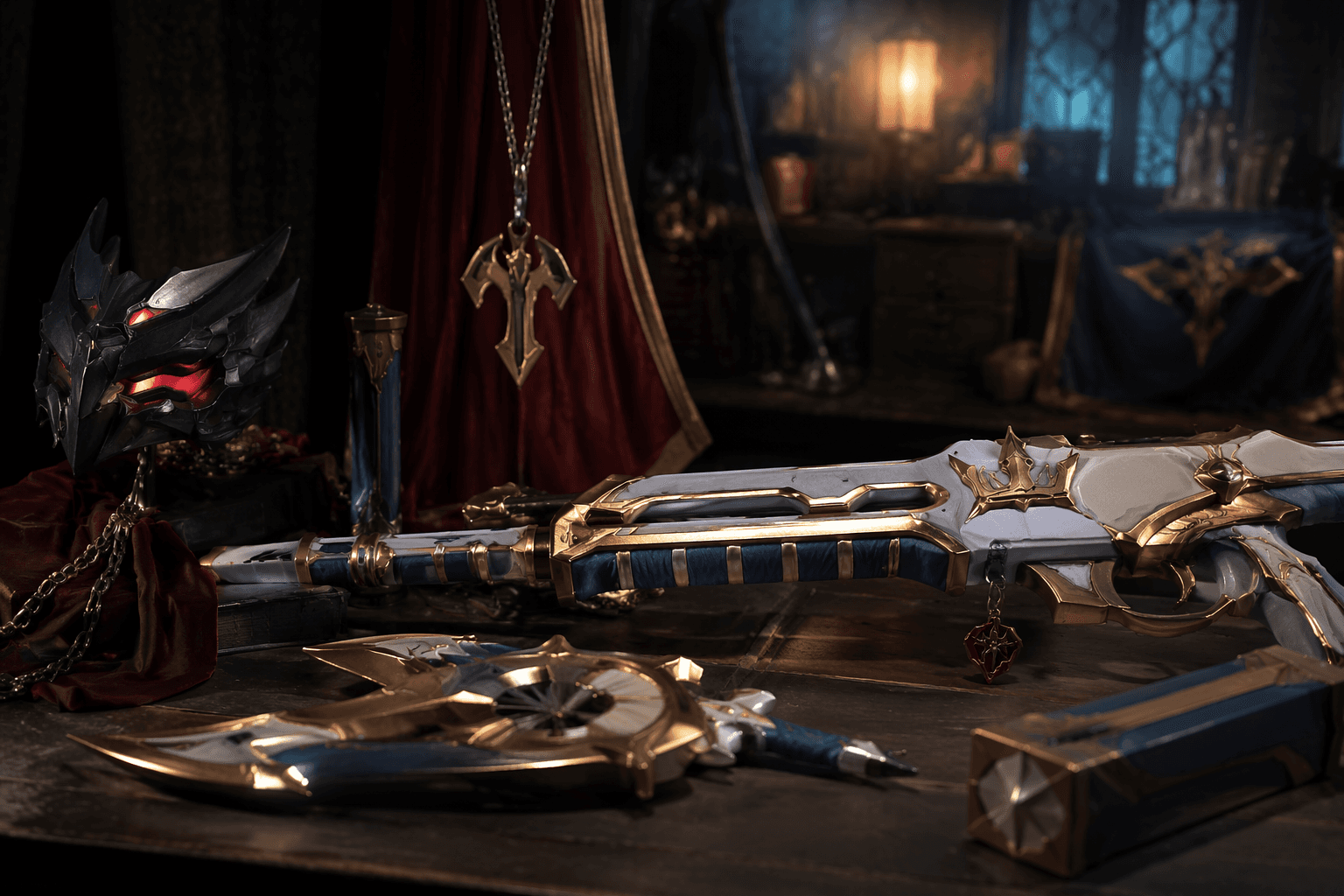
That does not mean Riot is backing away from cosmetics altogether. League’s 2026 season two, Pandemonium: Act I, began on April 29 and runs through June 8, with the pass deactivating on June 9. Riot’s support pages also lay out The Sanctum, an exclusive League of Legends shop where Ancient Sparks cost 400 RP each. Riot’s cosmetic history is already packed with Riot-themed skins, esports skins, and legacy and limited skins, which gives the company plenty of room to sell premium content without leaning on outside brands.
The broader Riot ecosystem makes the strategy even more striking. The company is not a one-game studio anymore, with live-service titles that include League of Legends, VALORANT, Teamfight Tactics, Legends of Runeterra and Wild Rift. Riot also expanded its creator partner program into closed beta for League, TFT and VALORANT in September 2025, while its developer portal says third-party ecosystem policies can change over time and products need to stay current with policy. That points to a company still investing heavily in reach and monetization, just not at the cost of letting outside IP set the tone.
For Riot, the question is not whether crossover skins can make money. It is whether they are worth the risk of making League and VALORANT feel interchangeable with everything else in the market. Right now, Riot is betting that keeping those worlds distinct is the stronger long-term play.
This article was produced by Prism’s automated news system from verified source data, official records, and press releases, then run through automated quality and moderation checks before publishing. The system is built and supervised by the people who set the standards it runs under. Read our full AI policy.
Did this article answer your question?