Riot's Project Zeta Promises 6v6 Tactical FPS With Destructible Maps
Riot Games announced Project Zeta, a six-versus-six tactical FPS with destructible maps and persistent-round objectives, promising an alpha and esports focus.

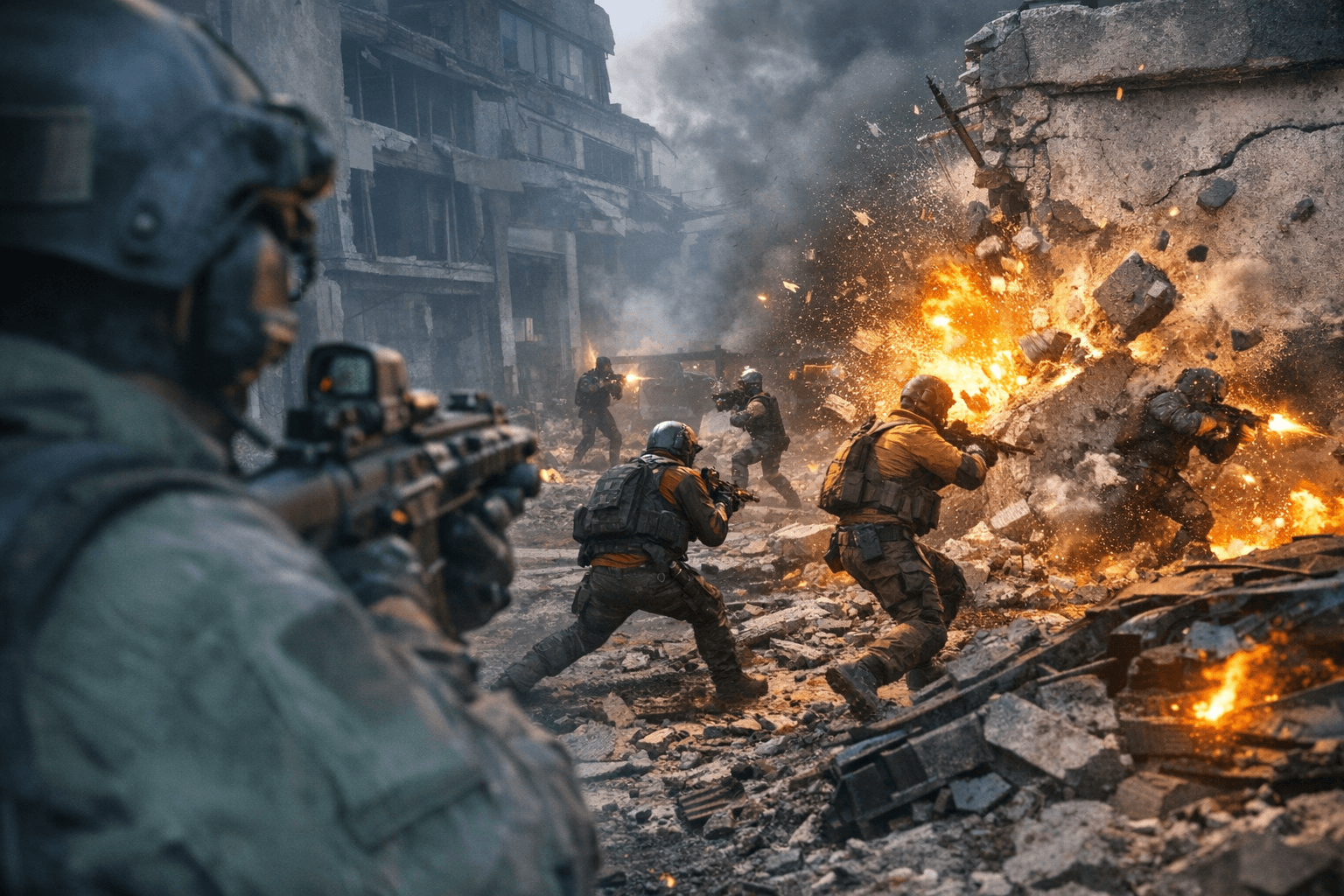
Riot Games unveiled Project Zeta, a six-versus-six tactical first-person shooter built around high-fidelity environmental destruction and persistent-round objectives that can change play from round to round. The design aims to blend cover-based gunplay with map-breach mechanics that alter sightlines and objective access, introducing a new tactical layer for competitive and casual players alike.
The announcement arrived quietly on January 21, 2026, with Riot revealing a tech demo shown to partners and a plan for a closed alpha later this year. Project Zeta’s early briefing emphasized iterative development: Riot plans to use alpha feedback to tune core systems such as weapon handling, sound design, and the rules that govern map destruction. The studio also highlighted anti-cheat planning and intentions for long-term esports support. The title is being built on a new in-house engine prototype, though no release window was provided.
For players, the practical value is immediate. Destructible environments that persist between rounds mean map control becomes literal real estate: a breached wall or collapsed cover will alter where players expose themselves, how teams approach rotations, and which angles remain viable for snipers or entry fraggers. Loadout choices, pacing, and utility usage will shift if walls and sightlines can be removed or created mid-match. Content creators and map-makers should expect new highlight opportunities as teams adapt strategies to changing geometry.
For competitive organizers, Project Zeta raises both opportunity and complexity. Riot’s mention of long-term esports support suggests plans for tournament-ready infrastructure, but destructible maps introduce fresh balance and officiating challenges. Match resets, map veto systems, and round-state persistence will need clear rules to avoid exploits. Riot’s focus on anti-cheat indicates awareness of those risks, but players should watch how server-side authority and map-state persistence are handled in the alpha.
Technical implications deserve attention. Building on a new engine prototype may allow physics-driven destruction at higher fidelity, but it also raises questions about performance, netcode, and platform parity. The tech demo shown to partners signals capability, while the promise of iterative feedback signals Riot wants the community involved in shaping weapon feel and destruction rules.
What comes next is the closed alpha later this year and public updates on how map destruction, weapon handling, and anti-cheat systems evolve. Project Zeta could reshape tactical FPS conventions if Riot nails the balance between emergent geometry and fair, competitive play. Keep an eye on alpha invites and developer posts, this is a sandbox that could change how players think about map control.
This article was produced by Prism’s automated news system from verified source data, official records, and press releases, then run through automated quality and moderation checks before publishing. The system is built and supervised by the people who set the standards it runs under. Read our full AI policy.
Did this article answer your question?