Sony’s PC retreat could cut off PlayStation games from China
Sony’s PC pullback could do more than trim a storefront. It may make major PlayStation games harder to reach for Chinese players who live on Steam rather than console hardware.
Sony Interactive Entertainment’s reported shift away from bringing more single-player PlayStation games to PC is not just a boardroom pivot. It could close one of the most important paths Chinese players have for getting into Sony’s biggest releases, especially in a market where PC is still the default for millions of players and Steam is massively dominant.
The clearest warning sign is how well PlayStation PC titles are already doing in China. Alinea Insights says 42% of *Death Stranding 2*’s PC sales came from China, making the country the game’s biggest Steam market. The same reporting says China is also a top market for *Stellar Blade* on Steam, which is a strong signal that Sony’s PC audience in the region is not niche at all.
Why China is such a big PC market
China’s PC-first reality did not happen by accident. The country imposed a near-complete ban on console sales in 2000, and even after that restriction was lifted in 2015, the damage to console adoption had already been done. An entire generation grew up with PC as the most practical way to play, and that legacy still shapes how people buy and access games today.
Steam’s own language breakdown shows just how strong that PC culture remains. Simplified Chinese is one of the largest language groups on the platform, and newer reporting says it overtook English as Steam’s most-used language on a full-year basis in 2024. Valve data presented at GDC 2025 put Simplified Chinese at 33.7% of Steam users in 2024, compared with 33.5% for English, a tiny gap that still underscores how central Chinese users are to the platform’s global audience.
That matters because estimates put Steam’s user base in China at more than 30 million. If Sony pushes more of its marquee games back behind PlayStation exclusivity, it is not just reducing choice for Western PC players. It is also cutting off access for a huge audience that may not own a console and may have no interest in buying one just to play a few Sony releases.
The access problem is bigger than store pages
The practical consequence is simple: if a game lands on PC, Chinese players can often get to it. If it stays console-only, many cannot. That gap is especially visible for major Sony single-player releases, which have become a steady source of interest on Steam after arriving on PC.
Alinea’s numbers around *Stellar Blade* show how real that demand can be. The game sold 544,000 copies on Steam on launch day and had 1.6 million wishlists before release. Those are not the numbers of a leftover audience. They point to a meaningful PC market that is paying attention, and China is part of that story.
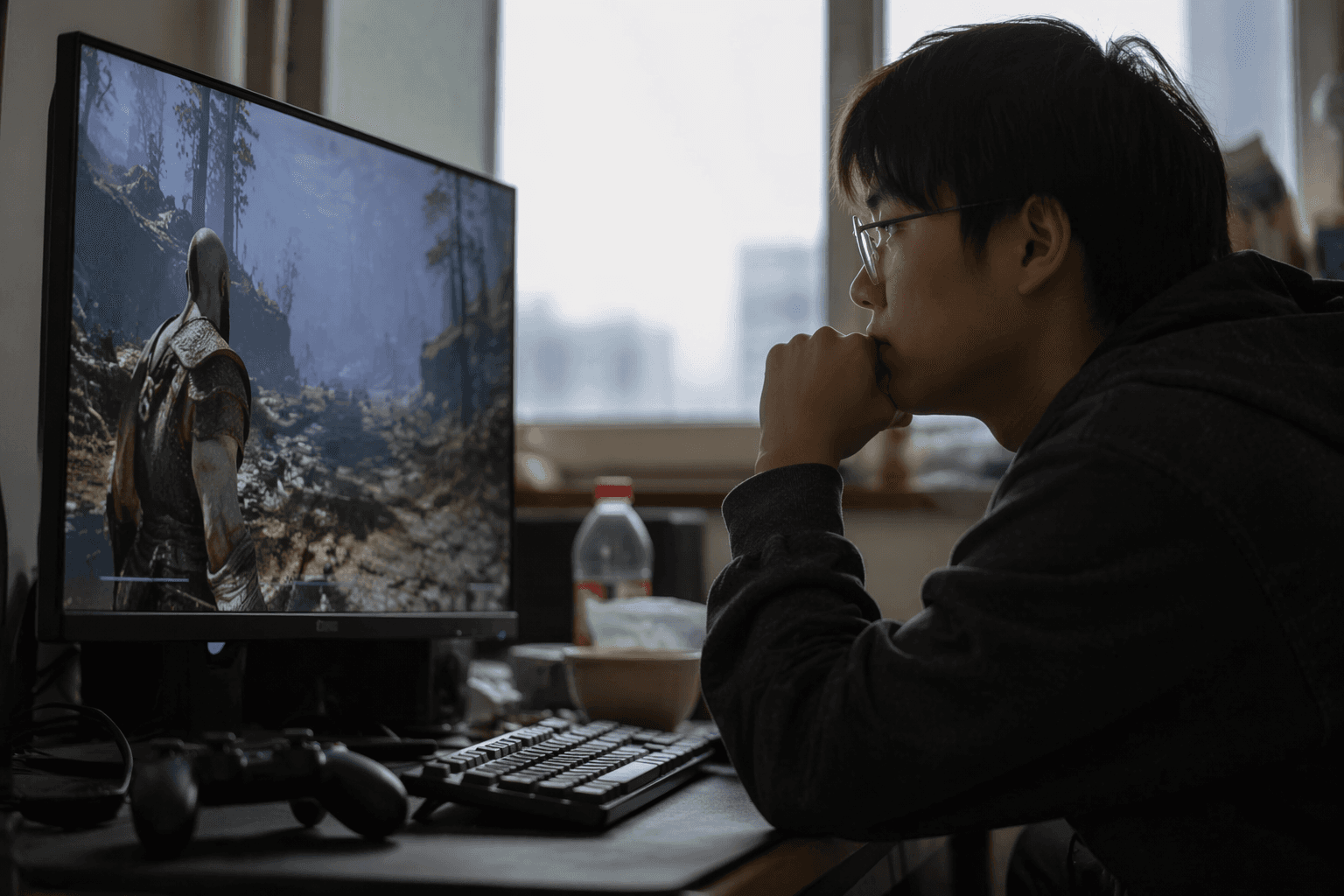
Sony’s reported strategy shift would still keep some live-service games on PC and potentially on Xbox, but there is another wrinkle for Chinese players: PSN requirements could add extra friction. Even where access exists on paper, account creation, platform restrictions, and region-specific friction can turn a simple release into a hurdle.
Sony is still courting China, just not consistently for players
What makes the move feel especially odd is that Sony has spent years building a China-facing development pipeline. The China Hero Project, launched in 2016, is Sony’s mentoring and support initiative for China-based developers. PlayStation says it provides development, publishing, and marketing support to help those teams reach a global audience.
The China-language PlayStation page for the program says much the same thing and points to games including *F.I.S.T.: Forged In Shadow Torch*, *Era: Mutation*, and *Lost Soul Aside* as examples of work it has backed. That creates a sharp contrast: Sony is actively helping Chinese developers get games out into the world while simultaneously making it harder for Chinese players to access some of Sony’s biggest own titles if those titles stop coming to PC.
That tension is the heart of the story. The company can support Chinese creators, celebrate global reach, and still end up narrowing the route by which Chinese players actually experience PlayStation games. In a market where PC is the dominant entry point, that is not a small distribution change. It is a gate that can decide who gets to play, and where.
What Sony’s move really changes
For players outside China, Sony’s PC retreat may look like a narrower platform plan. For Chinese players, it looks much more like a market-access issue. The combination of console history, Steam’s scale, and the country’s huge PC base means that every PlayStation game denied a PC release is one more title pushed out of reach for people who cannot, or will not, buy into console hardware.
That is why the numbers around *Death Stranding 2* and *Stellar Blade* matter so much. They show that China is not an afterthought for PlayStation PC releases. It is already one of the strongest destinations for them. If Sony steps back from that lane, the impact will not just be felt in sales charts. It will be felt in how many players in China get to join the conversation at all.
This article was produced by Prism’s automated news system from verified source data, official records, and press releases, then run through automated quality and moderation checks before publishing. The system is built and supervised by the people who set the standards it runs under. Read our full AI policy.
Know something we missed? Have a correction or additional information?
Submit a Tip