Stop Killing Games reaches European Parliament as culture-war row erupts
A Brussels hearing on game preservation turned into a consumer-rights fight, then got derailed by a wokeness rant over Yasuke in Assassin’s Creed Shadows.
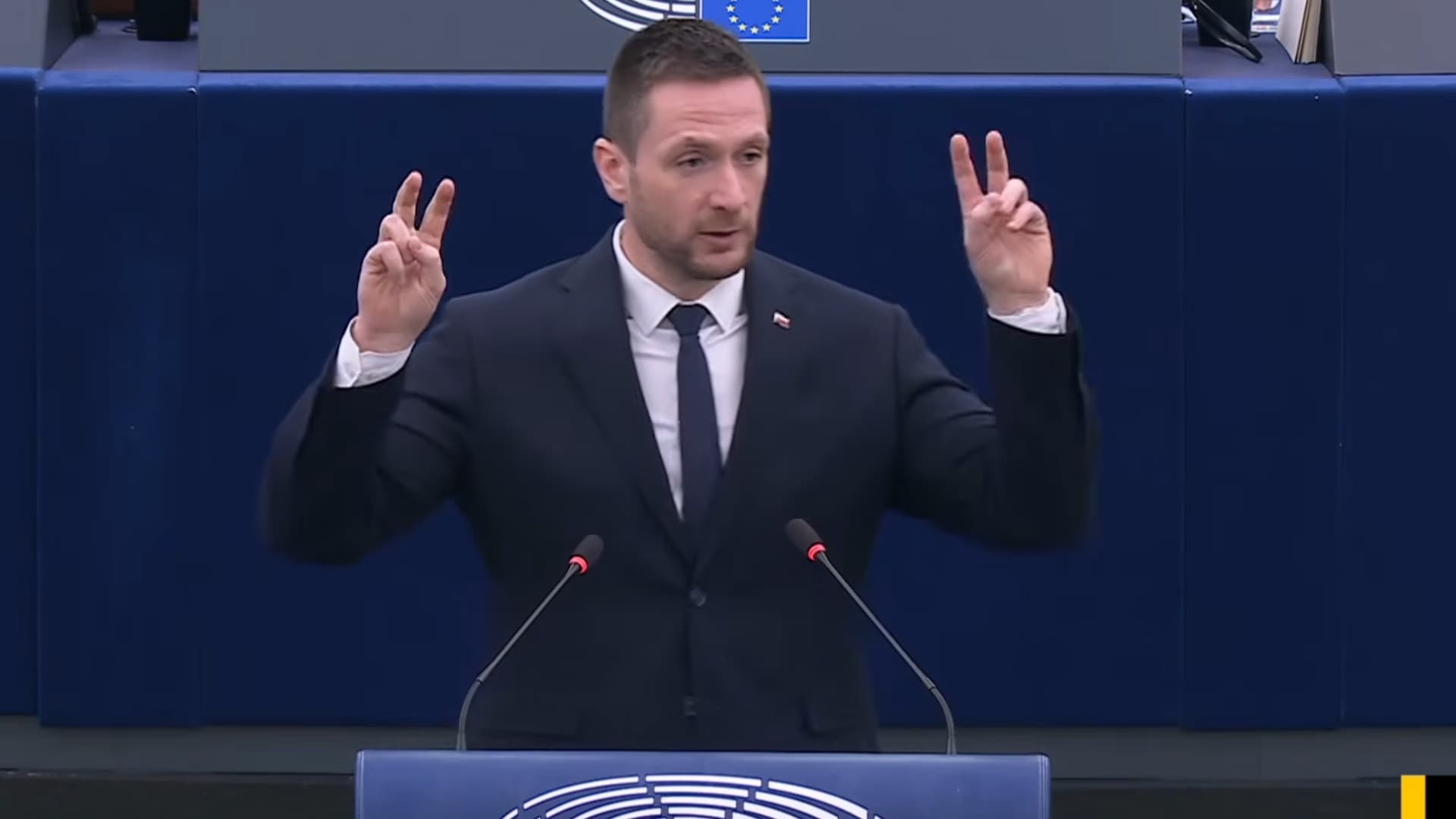
A YouTube creator’s complaint about games disappearing reached room 03C050 in Brussels’ Spaak building, where the European Parliament spent 90 minutes on a question that cuts straight through the hobby: should players lose access to a game they bought just because a publisher stops supporting it? The Stop Destroying Videogames hearing on 16 April 2026 brought together the IMCO, JURI and PETI committees, with the European Commission in the room as well.
The timing mattered. The initiative had been submitted on 26 January 2026, and the Commission described it as the 14th successful European Citizens’ Initiative. Under that system, 1 million EU citizen signatures are enough to trigger a formal Commission response, and the Commission says the mechanism exists so citizens can ask it to propose legislation. What started as a creator’s grievance had, in a little over two years, become a policy conversation about consumer rights, platform rules and whether videogames should be treated as cultural works that do not simply vanish at the end of a support cycle.
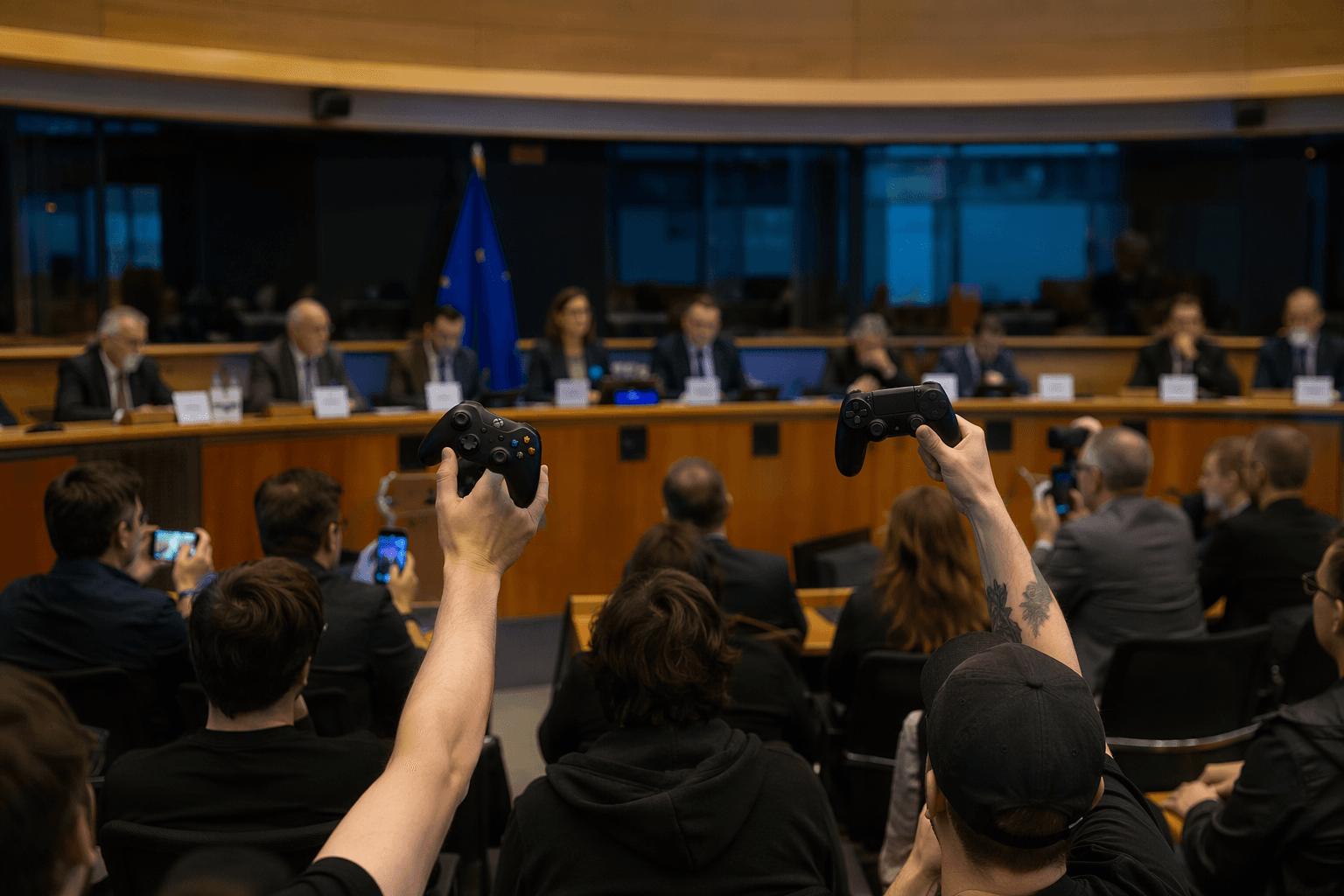
That is why one politician’s attempt to turn the hearing into a complaint about wokeness and Yasuke in Assassin’s Creed Shadows landed so badly. The outburst did not answer the central question, which was whether preservation and access should survive a publisher’s support window. It did, however, show how easily a technical debate about digital ownership can be shoved into culture-war theater the moment games are discussed in public.
The argument is not abstract. In March 2026, Cynthia Ní Mhurchú filed a parliamentary question asking for an update on the Stop Killing Games petition and possible EU measures. Ubisoft’s handling of The Crew made the stakes plain years earlier: the company said the game would remain playable until 31 March 2024, then shut the servers down and cut off access on every platform. Stop Killing Games says it is now pursuing legal and legislative avenues globally to keep games playable after publisher support ends, and the hearing in Brussels showed that the fight has already moved from internet backlash to institutional politics. What began as a creator’s complaint about a game vanishing was now being argued in a European Parliament committee room, and the noise around it only made the preservation question harder to ignore.
Know something we missed? Have a correction or additional information?
Submit a Tip