Stop Killing Games wins support in European Parliament hearing
A 45-minute European Parliament hearing gave Stop Killing Games its biggest political push yet, with lawmakers treating dead games after purchase as a real consumer-rights problem.
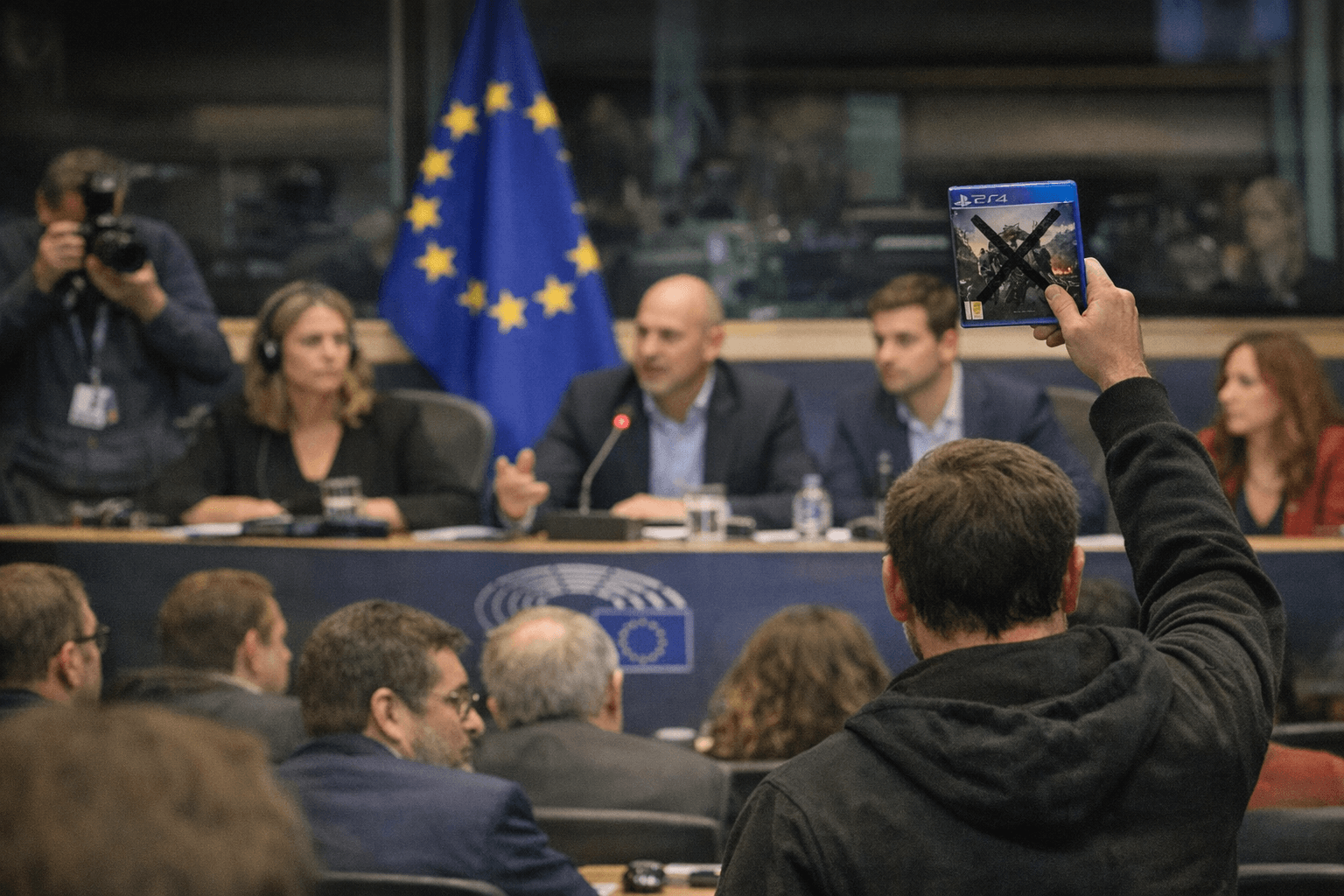
The Stop Killing Games campaign moved its fight from player outrage to the European Parliament, and the shift matters because it reframes dead servers as a rights issue, not just a preservation gripe. In a 45-minute hearing on April 17, the group argued that players should not lose access to games they already bought simply because publishers shut down services.
That message landed squarely with committee vice chair Nils Ušakovs, who described the problem as a real concern when video games become unplayable after sale because services are discontinued or access is disabled. For the campaign, that is the core question: if a game can vanish the moment a publisher flips a switch, then digital ownership looks less like ownership and more like a temporary license.
The hearing also pushed the issue into a broader industry pattern that players know all too well. Live-service closures, delistings, and server shutdowns have made disappearing games harder to dismiss as an edge case. What was once a niche preservation argument now touches everyday players, especially anyone who has bought into always-online design, seasonal content, or multiplayer games that depend entirely on publisher infrastructure.
If the European Union takes the next step, the practical changes would be significant. Publishers would need to think about what happens at the end of a game’s commercial life before the shutdown arrives, not after. That could mean offline modes for games that currently require servers, preservation-friendly end-of-life plans, or other mandated access measures so a purchased game remains playable in some form instead of simply being cut off. It would also force companies to confront whether a sale is a true transfer of value or just a long-term rental with an expiration date attached.
The industry’s counterargument has been familiar: shutdowns happen, and no publisher can be expected to support every game forever. Stop Killing Games is trying to expose the gap between that reality and the consumer expectation that buying a game should not come with an invisible kill switch. Even without new law yet, the fact that the issue reached the European Parliament signals that the debate has moved beyond social media frustration and into serious policy territory. For live-service games, that is the point where preservation stops being optional and starts looking like a requirement.
This article was produced by Prism’s automated news system from verified source data, official records, and press releases, then run through automated quality and moderation checks before publishing. The system is built and supervised by the people who set the standards it runs under. Read our full AI policy.
Did this article answer your question?