Take-Two Cuts AI Team Despite Executives Touting Generative AI Embrace
Take-Two's head of AI Luke Dicken was let go alongside team members even as CEO Strauss Zelnick publicly championed the company's generative AI ambitions.

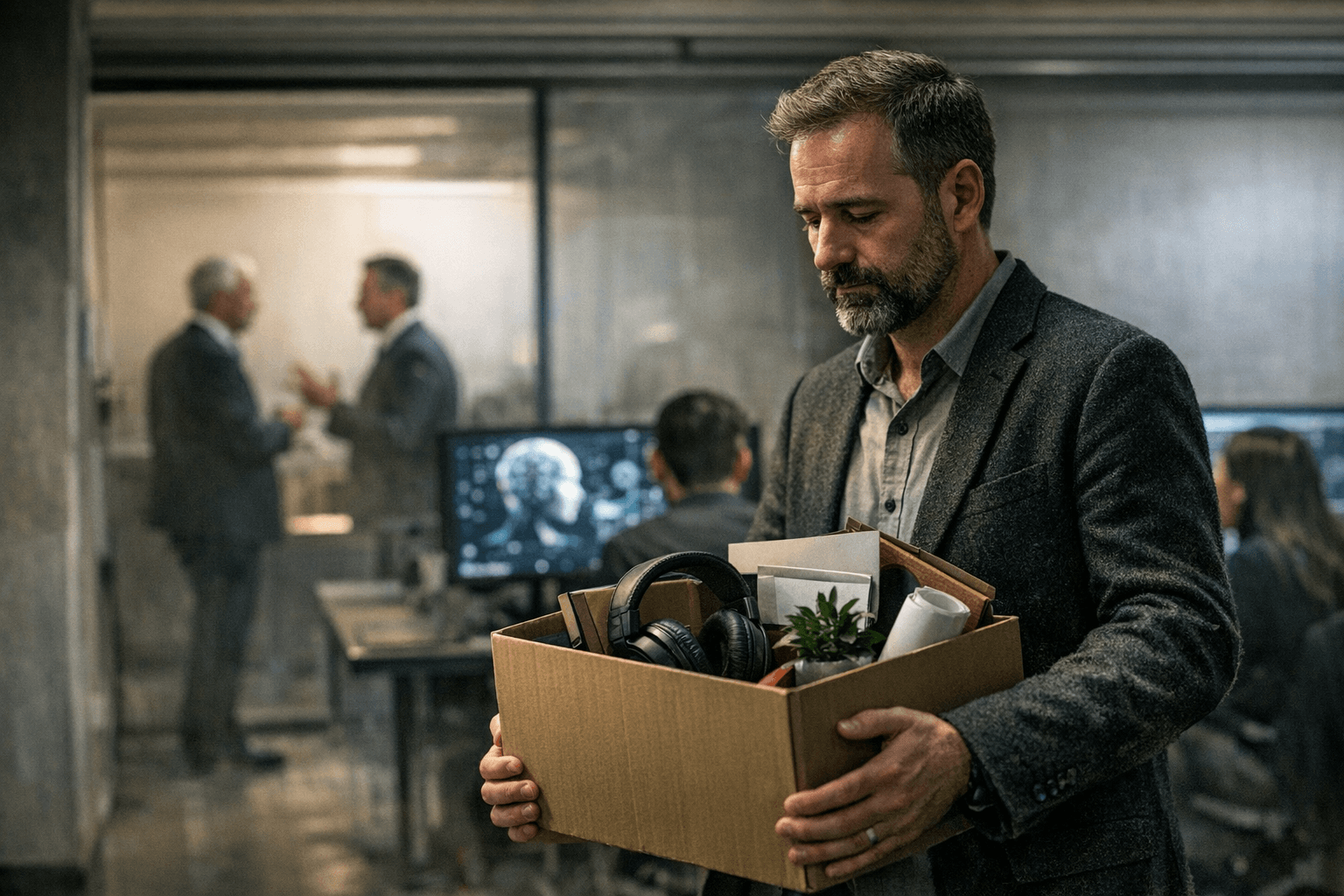
While Take-Two Interactive's senior executives were telling investors the company was "actively embracing generative AI," Luke Dicken was packing up his desk.
Dicken, who served as Take-Two's head of AI, announced on LinkedIn that he and members of his team had been let go as the publisher reorganized parts of its internal AI division. The cuts came despite public messaging from CEO Strauss Zelnick and other executives emphasizing cautious optimism about leveraging AI to reduce mundane tasks and free creators for higher-value work.
Dicken's LinkedIn post described a team that had spent seven years "developing cutting edge technology to support game development" and called the departures "truly disappointing." The statement stood in sharp contrast to the forward-looking AI rhetoric Take-Two had been projecting to investors and the press.
Much of the internal AI capability at Take-Two was built on the foundation of Zynga's existing applied AI infrastructure, inherited when Take-Two acquired the mobile gaming giant. Dicken himself joined Take-Two through that pipeline, having worked at Zynga before the acquisition folded the company under the Take-Two umbrella. The team had been working on applied AI and tooling across the publisher's studios, including Rockstar Games and 2K.
The reorganization arrives amid broader industry scrutiny of how publishers are actually deploying generative tools. Investors have watched Take-Two's AI discussions closely, with earlier conversations touching on external systems like Google's Genie drawing cautionary responses from company leadership. That investor pressure appears to have accelerated a strategic re-evaluation of whether to maintain robust in-house AI research and development or shift toward licensing third-party tools and vendor relationships instead.
The episode fits a pattern emerging across traditional games publishing: companies announce sweeping commitments to generative AI in earnings calls and press releases, then quietly reconfigure internal teams when the operational math doesn't align with the messaging. For Dicken and his colleagues, seven years of work on cutting-edge game development tooling ended with a LinkedIn post, regardless of what the executive statements said.
Know something we missed? Have a correction or additional information?
Submit a Tip