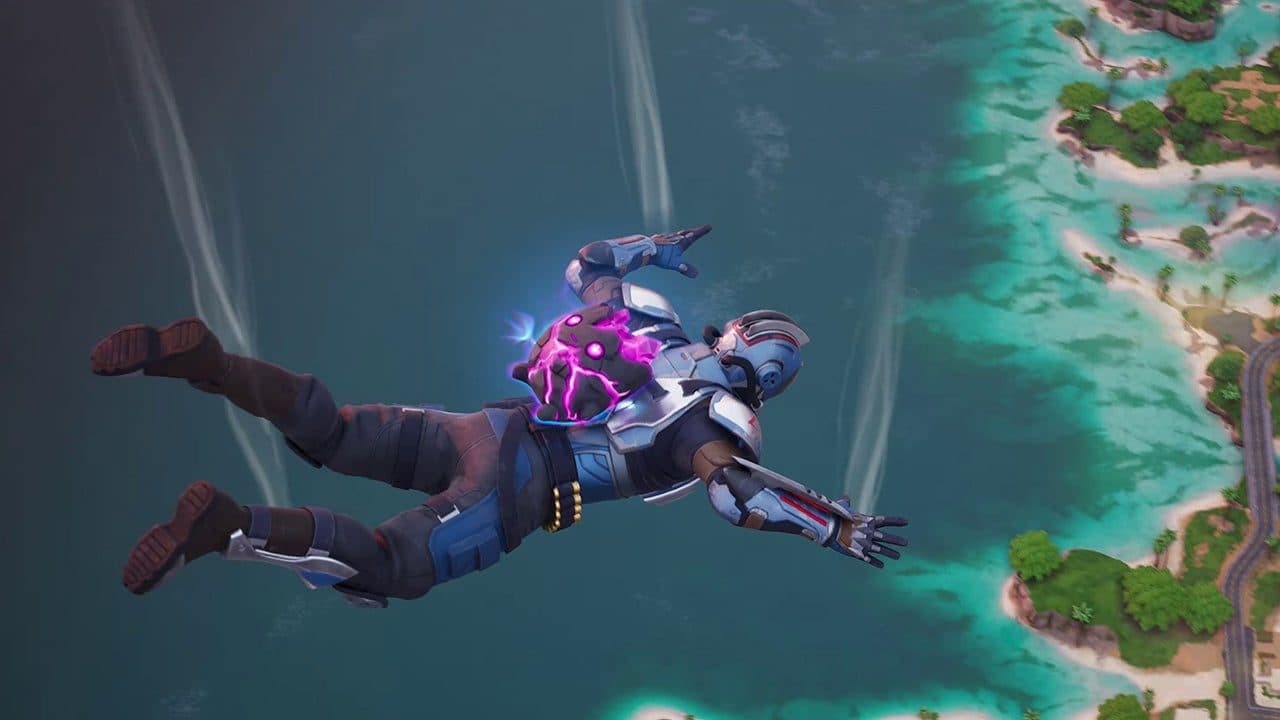
Tides of Tomorrow turns player choices into shared world consequences
Tides of Tomorrow makes every scavenged cache and spared decision linger, because one player’s run can reshape the next player’s survival, allies, and mission.
A world that remembers your choices
Tides of Tomorrow’s strongest idea is simple to explain and surprisingly hard to shake: this is a game where another player’s actions do not just echo in the background, they actively change what you face next. DigixArt has built a first-person multiplayer adventure around an “innovative multiplayer influence system” and the Story Link mechanic, turning shared history into part of the core loop rather than a novelty layer.
That matters because the game is not trying to sell itself as a standard co-op adventure or a traditional single-player narrative. It is asking a sharper question: what happens when a world remembers what someone else did before you got there? In Tides of Tomorrow, that answer can mean altered routes, changed NPC behavior, and even a mission that shifts underneath your feet depending on what another player chose to do.
How Story Link changes the run
The clearest way to understand the system is through the way it surfaces other players’ decisions. IGN’s coverage says Story Link lets you see how earlier players acted and how those actions affect survival options in a flooded, plasticpunk world. That is more than a visual flourish. It means the game makes other people’s improvisation part of your own strategic thinking.
Players also get a second-sight-style power that briefly lets them watch ghost versions of earlier players. That small detail does a lot of heavy lifting, because it turns invisible history into something you can read in motion. When an NPC can refer to those earlier players by name, and even help or hinder you based on what they chose, the game starts to feel less like a level and more like a living chain of consequences.
This is why the mechanic stands out as more than a gimmick. If the only question were “what did someone else do here?” the idea might feel decorative. Instead, Tides of Tomorrow makes that information actionable, then folds it into survival, scavenging, and social pressure.
The tension comes from selfishness
The design works because it creates a very human impulse: if valuable resources are sitting in clearly marked caches, of course the player is tempted to take them. Tides of Tomorrow understands that temptation and uses it as fuel. Taking the reward helps you now, but it can make life harder for the next person who enters that shared world.
That is where the game’s moral loop gets interesting. The tension is not built on grand, abstract choices, but on small practical ones that players recognize immediately. Do you grab the supplies, knowing you may be worsening the next run? Do you leave them behind and accept the cost yourself? The result is a system that ties self-interest, persistence, and shared history together in a way that is easy to talk about after the fact.
IGN described the experience as wet and weirdly satisfying, which fits the tone of a flooded setting where scavenging and social consequence carry as much weight as combat or exploration. That combination gives the game its identity. It is not just about progressing through a world, but about leaving a trace that other players have to live with.
Why the setting makes the mechanic stronger
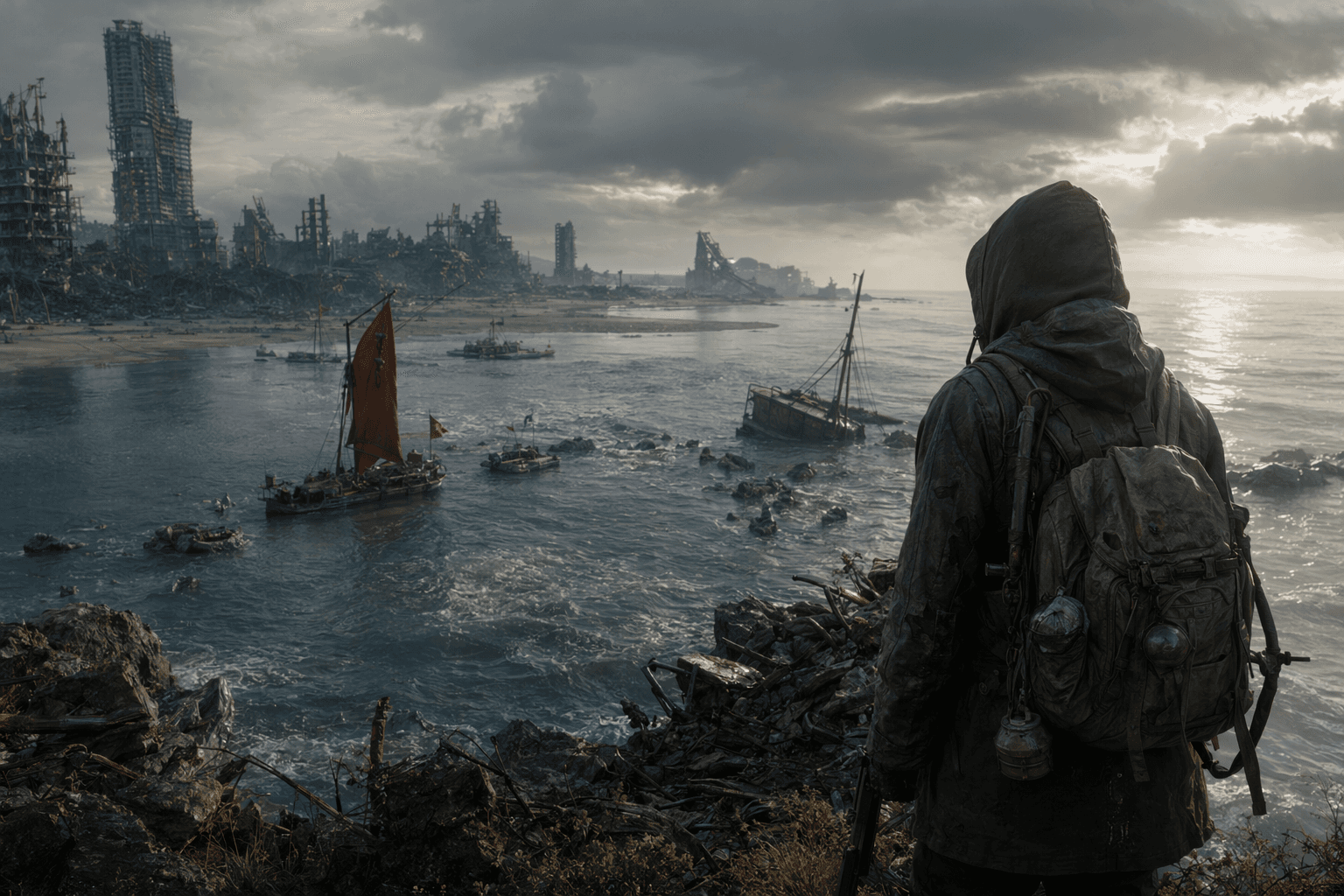
The setting on Elynd gives the whole concept room to breathe. Official materials place the game on an oceanic planet where you travel through floating towns and villages across the sea in search of a cure. That premise is more than backdrop. It helps the game feel unstable, improvised, and full of contested resources, which is exactly the kind of environment where player-driven consequences feel natural.
In a world built on water, scarcity feels believable. Floating settlements, scavenged supplies, and a mission centered on survival all reinforce the idea that every choice has weight. When another player has already altered the shape of a place before you arrive, the fiction and the mechanics start working together instead of competing for attention.
Marketland shows the system at its sharpest
The Steam demo gives the clearest practical example of how this all plays out. It begins in Marketland, where another player’s choices reshape the town, its people, and your mission to steal a stock of medicine from Obin, if he still has it. That one setup tells you almost everything you need to know about the game’s priorities.
Marketland is not just a test area. It is a proof of concept for how Tides of Tomorrow wants you to think about ownership, opportunity, and consequence. A medicine heist sounds straightforward until the world has already been bent by someone else’s decisions. Suddenly the question is not only whether you can pull the job off, but whether the route, the local characters, and even the target itself still match the version of the world you expected.
That kind of variability is what gives the game replay value. If each player’s choices can reshape the same location in meaningfully different ways, then conversation around the game becomes more than “what ending did you get?” It becomes “what did your world look like after someone else touched it?”
The release shift adds to the story
The road to launch has also reinforced the idea that Tides of Tomorrow is being treated carefully. THQ Nordic said on January 19, 2026 that DigixArt and the publisher were sticking with the title Tides of Tomorrow and taking extra time before release. Later, Steam and IGN pages listed April 22, 2026 as the game’s initial release date.
That sequence matters because it suggests a project with enough ambition to warrant patience. DigixArt, the studio behind Road 96, already has a reputation for experimenting with narrative structure and player agency. Tides of Tomorrow fits that lineage neatly, and its release timing only sharpened attention on whether the concept would land as a meaningful innovation or a clever one-off.
The answer, based on the game’s structure, is that it leans toward innovation. It may not be built to be a mainstream blockbuster, but it has a clear hook, a memorable rhythm, and a setup that invites players to care about the trace they leave behind. In a crowded genre, that is the kind of design choice that turns a curious premise into a game people keep describing to each other after they finish.
This article was produced by Prism’s automated news system from verified source data, official records, and press releases, then run through automated quality and moderation checks before publishing. The system is built and supervised by the people who set the standards it runs under. Read our full AI policy.
Did this article answer your question?