Todd Howard Says Starfield's New Game+ Asked a Deep Philosophical Question Players Missed
Todd Howard admits Starfield's Unity mechanic was "a weird, deep question" most players missed, but Steam's slide to Mixed reviews suggests the intent didn't survive contact with the loop.
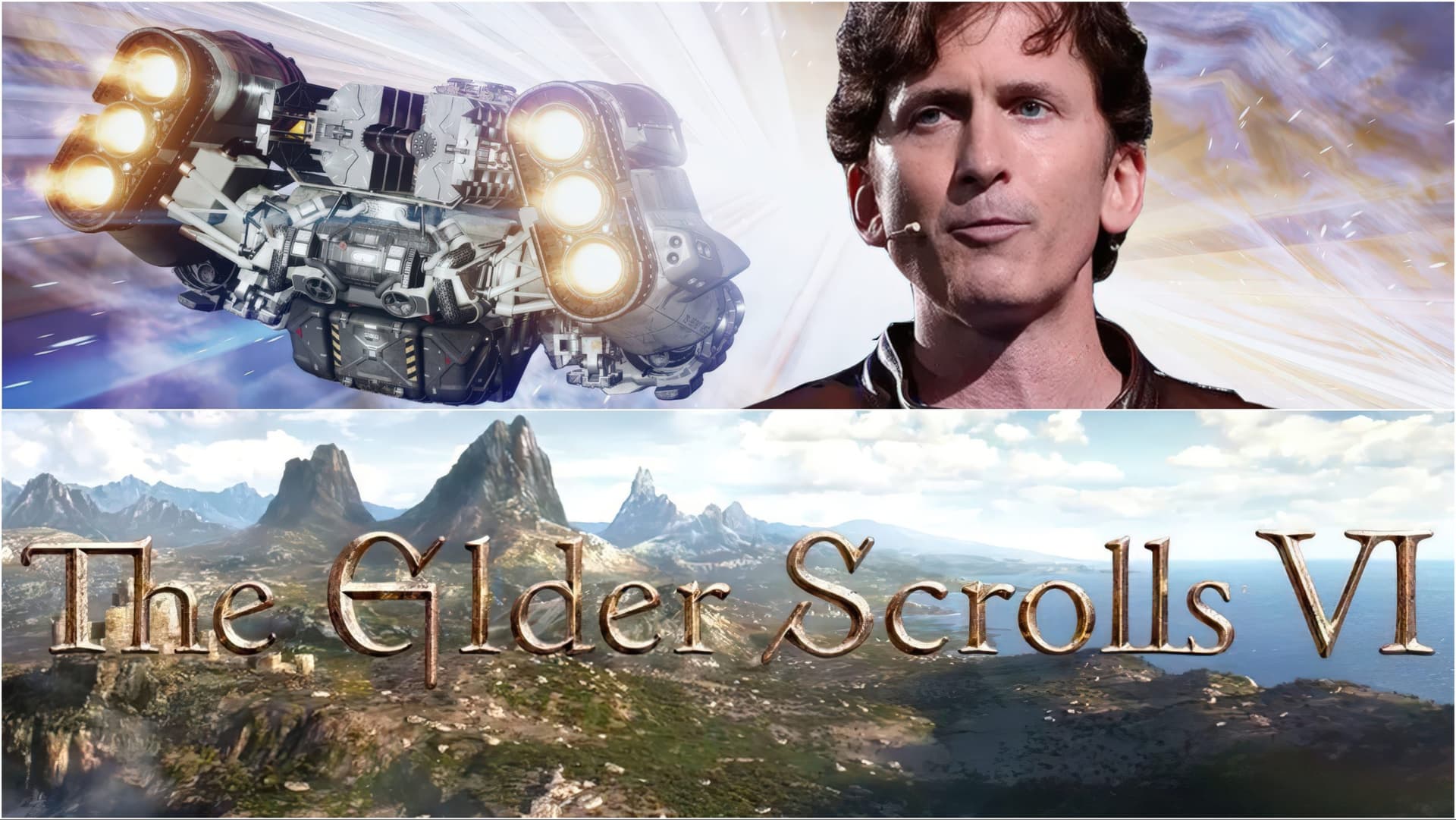
Every time a Starfield player reached the Unity at the end of the main quest, they were being asked something Todd Howard thought of as profoundly personal: are you willing to erase everything you've built and start over, or are you just chasing power? Most players, it turns out, just wanted to go through the gate.
"The Unity was our way of doing New Game+," Howard, game director and executive producer at Bethesda, explained in a recent interview. "It was us asking you this weird, deep question that I actually think got lost on a lot of people. It asks if you are just this power gamer who wants to get everything, or are you willing to leave this world behind? How do you feel about your own life choices — would you leave that all behind and start over? Some of that pain — having to give up all of your stuff, Sarah Morgan not loving you anymore, and so on — is supposed to make you feel all of that."
Howard cited Edge of Tomorrow, Doug Liman's 2014 sci-fi film starring Tom Cruise and Emily Blunt, as a direct creative inspiration for the endgame progression loop. The parallels are real: both involve a character reset who keeps their accumulated ability while losing everything else. But what works in a two-hour film with a climactic payoff hits differently when it's a 60-plus hour RPG asking players to sacrifice companion relationships, custom ships, outpost builds, and side quest progress in exchange for a slightly better spacesuit.
Completing the final story mission, One Giant Leap, and stepping through the Unity transforms the player character into a Starborn, relaunching the game from the beginning. Powers, skills, level progression, and XP carry over; ships, outposts, mission progress, map data, companion relationships, weapons, and gear do not. An abridged speedrun path through the story exists for returning players, completable in roughly 90 minutes, but the ten-loop ceiling for upgrading Starborn armor and powers means the most efficient path through NG+ is a grind, not a story.
That gap between intent and experience is precisely where Howard's philosophical framing struggles. Howard himself acknowledged the tension: "So we create this feeling of 'hey, you have to leave everything you did behind', but as a gamer, you're like, 'I just want to go through the magic gate and get more power.'"
Does the intent matter if the loop isn't fun? Player sentiment offers a fairly direct answer across three recurring friction points. First, builders were hit hardest: those who invested in outposts and side quests found the only things that carried over were the player character's level and skills, making the emotional loss feel less like a narrative beat and more like a progress deletion screen. Second, the companion system amplified the damage, since Sarah Morgan, the first human companion and one of two romance options, was also statistically the most likely companion to die during the main quest due to an affinity mechanic players couldn't check without console commands. Third, critics pointed out that NG+ encouraging ten consecutive grind runs directly contradicted every other system in Starfield designed to reward long-term investment: custom ships, outpost construction, and companion bonds.
Starfield's Steam reviews reflect the cumulative weight of these frustrations, sitting at Mixed overall (69% positive) and at one point dropping to Recent reviews of just 29% positive, with complaints concentrated around load screens, desolate planet traversal, and design systems that felt disconnected from each other.
Bethesda did revisit the Unity with the Free Lanes update, modifying NG+ so players entering the Unity can now carry more of their progress forward: "If you decide to enter the Unity now, you can do it in a way that you feel that you can still continue your character and have some of your stuff — it's stuff that you earned," Howard said. The revision is a quiet admission that the original design, however philosophically sincere, asked players to feel something the mechanics weren't equipped to deliver. Tim Lamb, lead creative producer on Starfield, pointed to Fallout 3's abrupt ending as the cautionary tale that shaped the NG+ ambition: fans were blindsided when it simply stopped, and wanted to keep going. What Bethesda built in response was a loop meant to feel endless and weighty. Whether the Free Lanes revision finally bridges Howard's vision and what players actually experience will depend on whether the question lands differently the second time around.
This article was produced by Prism’s automated news system from verified source data, official records, and press releases, then run through automated quality and moderation checks before publishing. The system is built and supervised by the people who set the standards it runs under. Read our full AI policy.
Did this article answer your question?