TwitchCon 2026 Adds Consent Lanyards, IRL Streaming Rules, and Stronger Security
Filming consent lanyards and reserved meet-and-greets headline Twitch's overhaul for Rotterdam, directly addressing the security gaps Emiru's 2025 assault exposed.

When Emily "Emiru" Schunk was assaulted at TwitchCon San Diego last October, the most damning detail wasn't the attack itself. It was the fact that her attacker crossed multiple barriers and passed another creator's meet-and-greet line before reaching her, with Twitch's own event security failing to stop him. Her private security member intervened. Twitch CEO Dan Clancy later admitted the platform had "failed" her. Five months on, Twitch published a formal policy overhaul for TwitchCon Rotterdam 2026, scheduled for May 30-31, that directly targets the structural failures that incident laid bare.
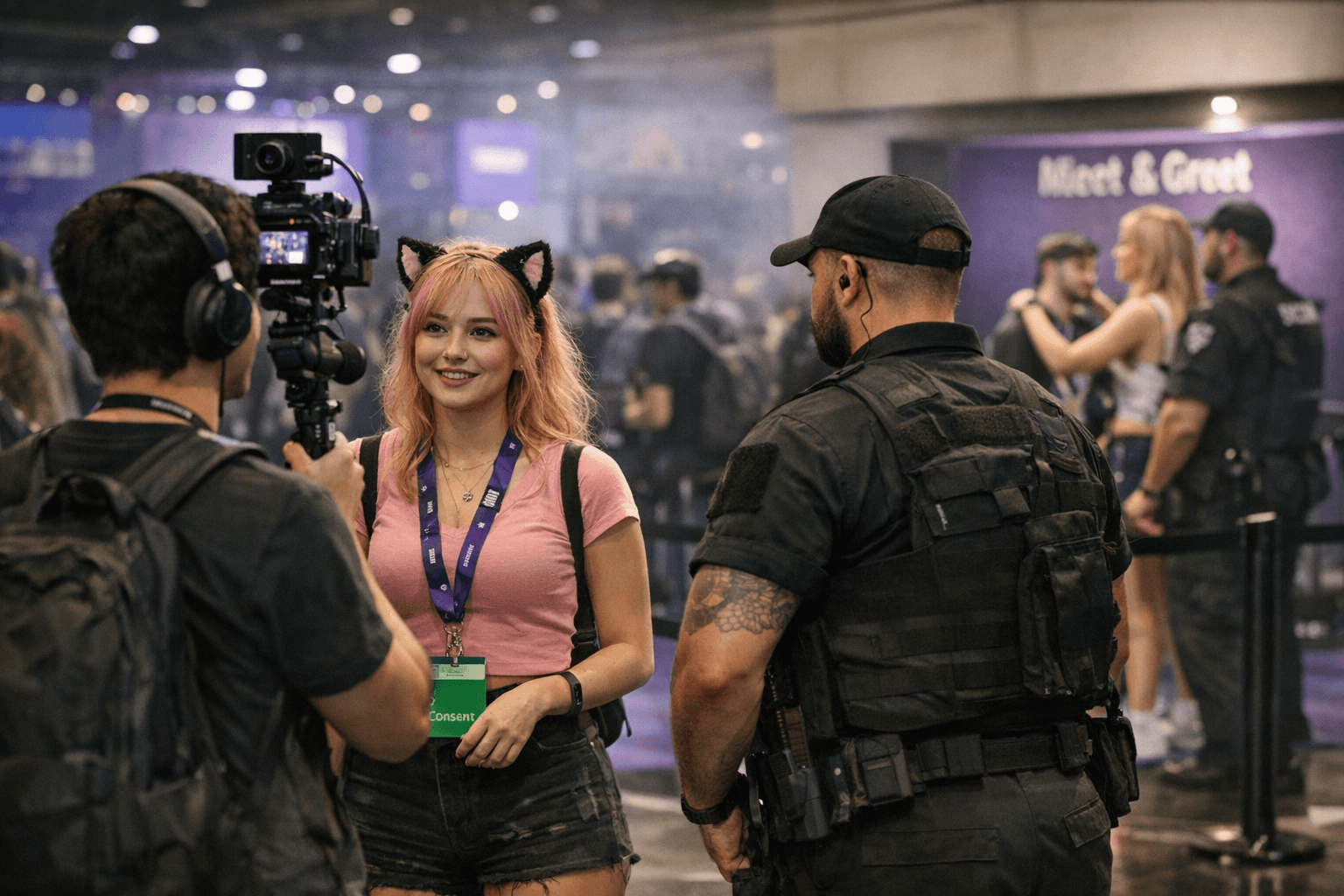
The centrepiece of the new framework is a dedicated IRL streaming policy, the first of its kind at a TwitchCon event. It works in four interlocking parts: filming consent lanyards, designated no-stream zones, a reservation system for meet-and-greets, and expanded trained security staffing with improved escalation protocols for faster response times.
The lanyard system is the most visible change for anyone on the floor. Attendees who do not want to appear on camera can wear a designated lanyard, and IRL streamers are prohibited from interviewing, approaching, or prominently featuring anyone wearing one. The same rule applies if someone verbally declines to be filmed. Streamers must also keep pathways clear and stop broadcasting entirely in any area marked "No Recording/No Streaming." If you receive an instruction from TwitchCon staff to stop streaming or relocate, that instruction is not optional.
Enforcement has real teeth. A violation of the IRL streaming policy can result in a temporary suspension of streaming privileges for the duration of TwitchCon. Depending on severity, Twitch may extend that suspension beyond the event, remove the attendee from the convention entirely, or apply channel-level restrictions.
The reservation system for meet-and-greets is where the Emiru incident most directly maps onto the new rules. Structured, pre-booked interactions replace the informal queuing that allowed her attacker to move laterally through the convention floor unchecked. Whether additional physical barriers and clearer staff positioning accompany those reservations will determine whether this change is procedural or genuinely protective.
The broader context matters here. QTCinderella was among the prominent creators who said they were "afraid" to attend TwitchCon 2025 because of security concerns. The Emiru assault became the flashpoint, but it was the latest in a pattern. Twitch has described the Rotterdam event as marking its "final year" in the city before relocating, giving the company both a reputational incentive and a symbolic moment to demonstrate that the event has been rebuilt on safer terms.
For anyone attending or streaming at Rotterdam, the compliance checklist comes down to this: check whether filming consent lanyards are available at registration and put one on if you do not want to appear on stream. If you are streaming IRL, treat any lanyard or verbal refusal as a hard boundary, not a soft suggestion. Memorise which areas carry "No Recording" designations before you start rolling. Comply immediately with any staff direction. A reserved meet-and-greet slot is now the only sanctioned way to meet creators in a structured setting, so plan accordingly rather than trying to catch anyone spontaneously on the floor.
Whether these measures actually rebuild trust among top creators, or simply reduce liability exposure for Amazon, will become clear at Rotterdam on May 30.
This article was produced by Prism’s automated news system from verified source data, official records, and press releases, then run through automated quality and moderation checks before publishing. The system is built and supervised by the people who set the standards it runs under. Read our full AI policy.
Did this article answer your question?