UK safety debate could pull Fortnite and Roblox into age rules
A UK safety push could force Fortnite and Roblox to rethink open chat, party invites and stranger matching for younger players.
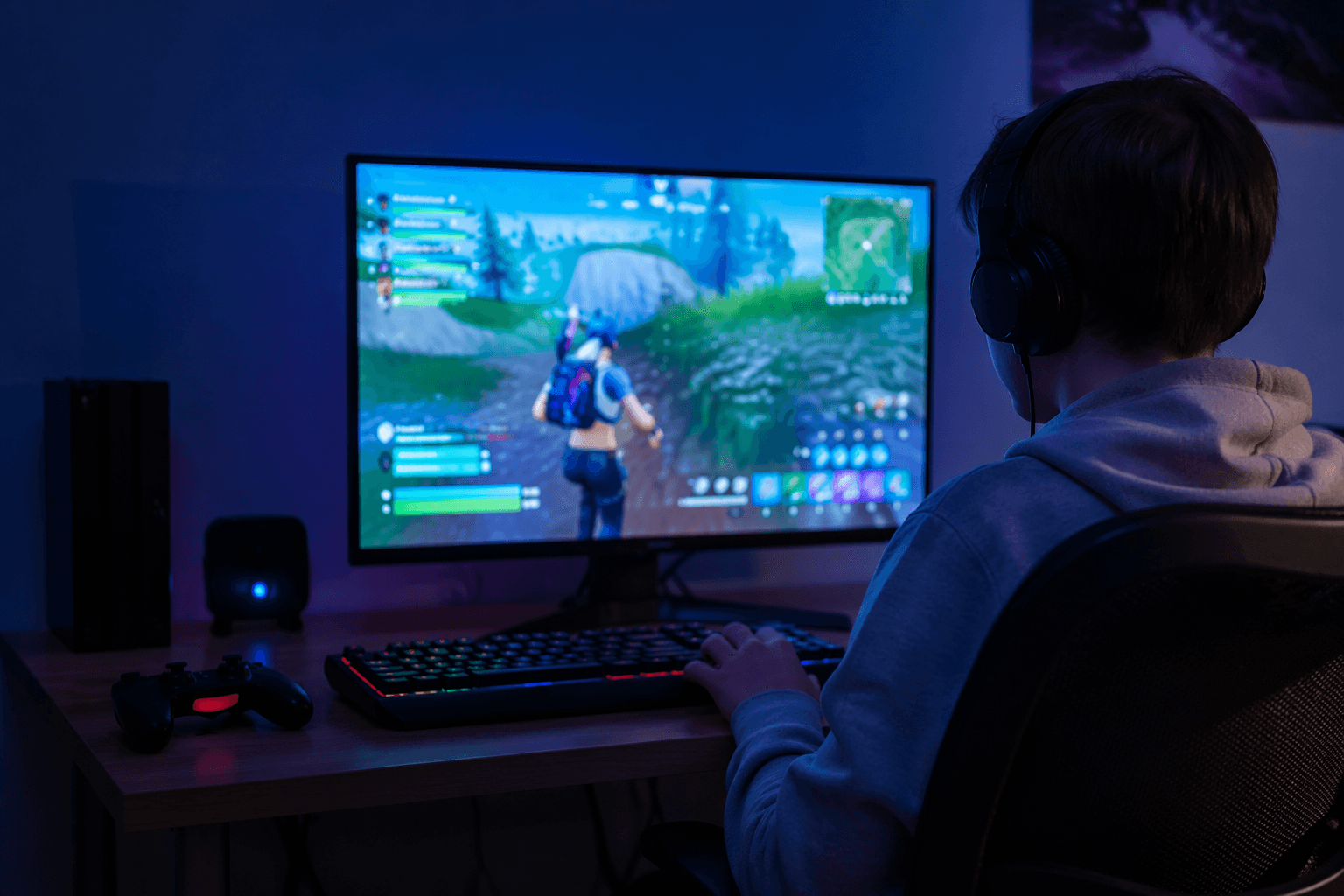
A ban on children talking to strangers online would not stay on social apps for long. In Fortnite, Roblox and similar games, it could reach straight into voice chat, party systems, stranger pairing and the social layers that make live-service games feel alive.
That is the direction the UK debate is now taking. Online safety minister Kanishka Narayan has weighed whether a possible social-media restriction for teenagers could also apply to game platforms, and the government’s consultation on growing up online explicitly included gaming sites alongside social media and AI chatbots. The practical question for players is simple: if the rule expands, what happens to the way children squad up, join lobbies, recruit into clans or move through cooperative modes with people they have never met?

Ofcom has already made clear that games are inside its regulatory frame. Under the Online Safety Act, online businesses are legally responsible for keeping UK users, especially children, safe online even if those businesses are based outside the UK, and Ofcom has published gaming-specific guidance on how the rules apply to online video game services. That matters because it shifts the debate from a broad warning about social media into a direct challenge for game design, from matchmaking and friend requests to how voice moderation is handled in real time.
The pressure is not theoretical. On 21 May 2026, Ofcom said major platforms including Roblox, Meta, Snap, TikTok and YouTube had agreed to new anti-grooming commitments, including children’s safety checks before new features roll out and stronger controls around contact and direct messaging. For games, that points toward stricter default settings, tighter age gates and more limits on who can message or invite a child into a session.
The UK’s consultation, which ran from 2 March to 26 May 2026, also drew sharper lines from child-safety advocates. Dame Rachel de Souza, the Children’s Commissioner for England, pushed for protections far beyond social media and into gaming sites and other services with harmful features and functionalities. NSPCC said the consultation closed on 26 May 2026 and argued that the answer must go beyond a simple social media ban.
Australia shows how fast these rules can move once they exist. Its under-16 social-media restrictions took effect on 10 December 2025, and the eSafety Commissioner has said the list of restricted platforms is not fixed and could grow. UK players would be watching something similar, but with game chat and co-op play squarely in the frame.
That is the real tension now: child safety is forcing regulators to treat games less like software and more like social spaces, and that could reshape the everyday rhythms of matchmaking, team chat and open voice channels across the biggest multiplayer worlds.
This article was produced by Prism’s automated news system from verified source data, official records, and press releases, then run through automated quality and moderation checks before publishing. The system is built and supervised by the people who set the standards it runs under. Read our full AI policy.
Know something we missed? Have a correction or additional information?
Submit a Tip