Vietnam recognizes esports as a key cultural industry
Vietnam put esports inside its cultural-industries strategy, while GameVerse 2026 drew 30,000 pre-sold tickets and hosted the first SEA national-team tournament in Vietnam.
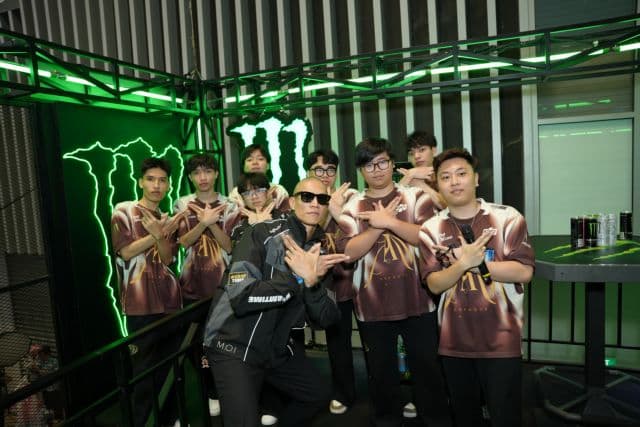
Vietnam has stopped treating esports like a side hobby. Under Resolution 80, the government recognized the wider gaming industry as one of six key cultural industries, and official reports say projects tied to Vietnamese history and culture can tap preferential policies and tax incentives. That shift matters far beyond symbolism. It changes how families, schools, sponsors and local authorities see the scene, and it gives esports the kind of institutional backing that can turn player talent into a real pipeline, not just a weekend pastime.
That policy message was on display at Vietnam GameVerse 2026, which opened on May 8 at the Saigon Exhibition and Convention Centre in Ho Chi Minh City. Organizers said the event filled 100 exhibition booths and had sold more than 30,000 tickets before opening, while expectations from Vietnam Pictorial put attendance at around 60,000. The forum theme, Do Local, Go Global, captured the pitch neatly: build at home, compete abroad. The show was co-organized by the Authority of Broadcasting and Electronic Information, VnExpress Newspaper, FPT Online and the Vietnam Game Development Alliance, with major Vietnamese publishers including Garena, VNG Corp, VTC and FunTap on the floor.

The scale is not just about spectacle. Vietnamese-made mobile games exceeded 4.9 billion downloads globally in 2025, even though the domestic market accounted for only 5.5 percent of those downloads. More than 27,000 new mobile games were released by Vietnamese creators that year, a number that suggests a production base deep enough to support events, sponsorships and broadcast deals, not just one-off hits. For esports, that means more than prize money. It means a broader ecosystem where publishers, tournament operators and schools can build training pathways with something sturdier than hype underneath them.

Vietnam’s competitive-gaming story also has roots that run deep. Vietnam News traces video games back to the late 1990s and early 2000s, when computers and internet cafés spread across the country. One of the clearest national threads runs through GAM Esports, whose lineage goes back to StarsBoba, a team that won two Asian championships in 2009 and 2010 before evolving through Boba Marines in 2014, Gigabyte Marines in 2016 and GAM Esports in 2018. Anthony ‘TK’ Nguyn, who got involved with GAM in 2021 after working in entertainment and hospitality, called esports “a global sport from the very beginning.”

That global frame mattered at GameVerse 2026 too, where the first SEA Esports Nations Cup brought together 11 Southeast Asian countries. Co-organized with SEAEF and VNGGames, the tournament made Vietnam a host, not just a participant, in regional competition. Taken together, the policy, the trade show and the national-team event point to the same turn: esports in Vietnam is moving from arcade bragging rights to state-recognized cultural infrastructure, and the rest of the region will feel that shift on the bracket, on the broadcast and in the training room.
This article was produced by Prism’s automated news system from verified source data, official records, and press releases, then run through automated quality and moderation checks before publishing. The system is built and supervised by the people who set the standards it runs under. Read our full AI policy.
Did this article answer your question?