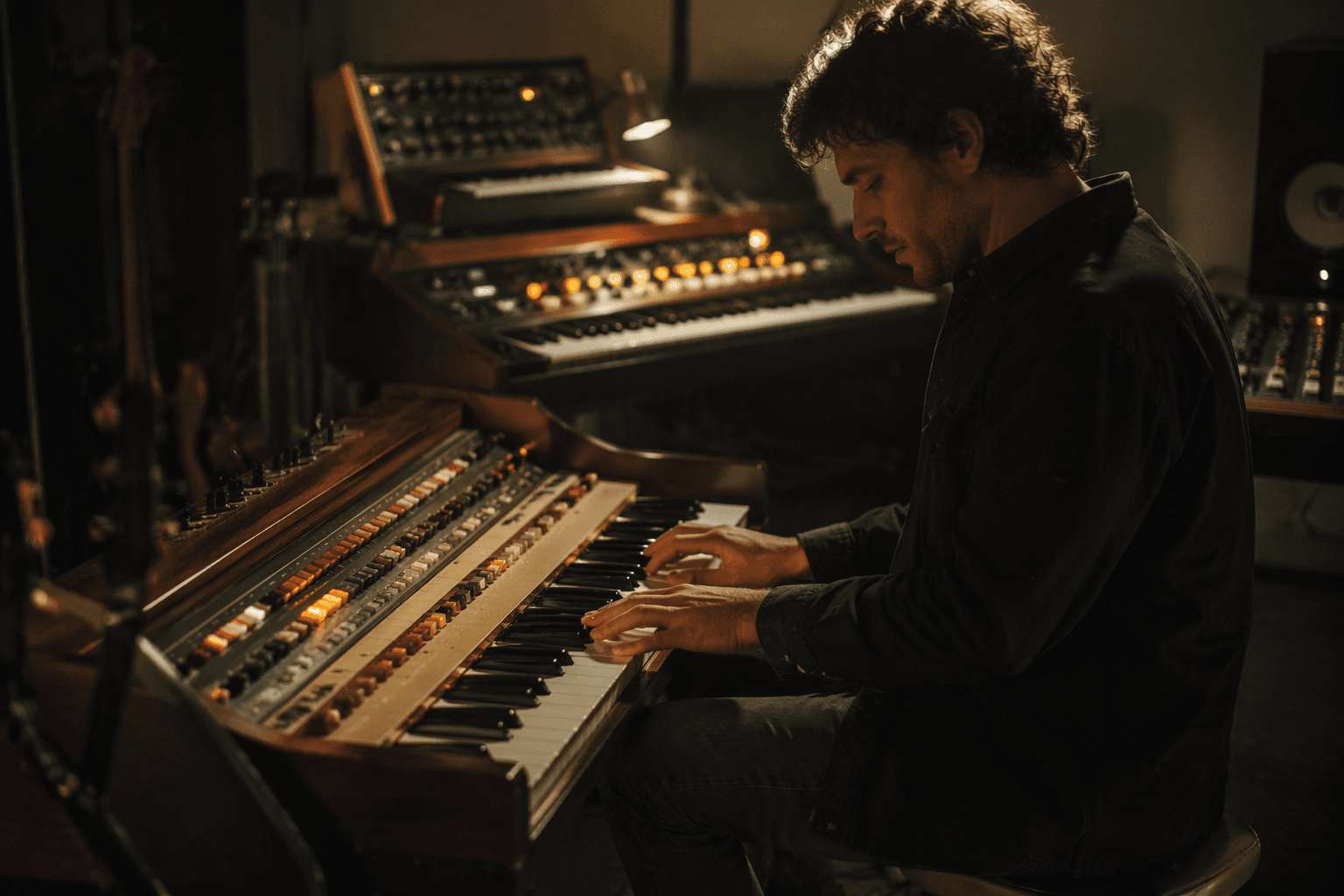
1972 Moog Minimoog Model D with early serial number draws collector buzz
Serial number 3367 puts this 1972 Minimoog Model D deep in the early run, but the bigger question is how much of its jazz-to-Broadway story can be documented.
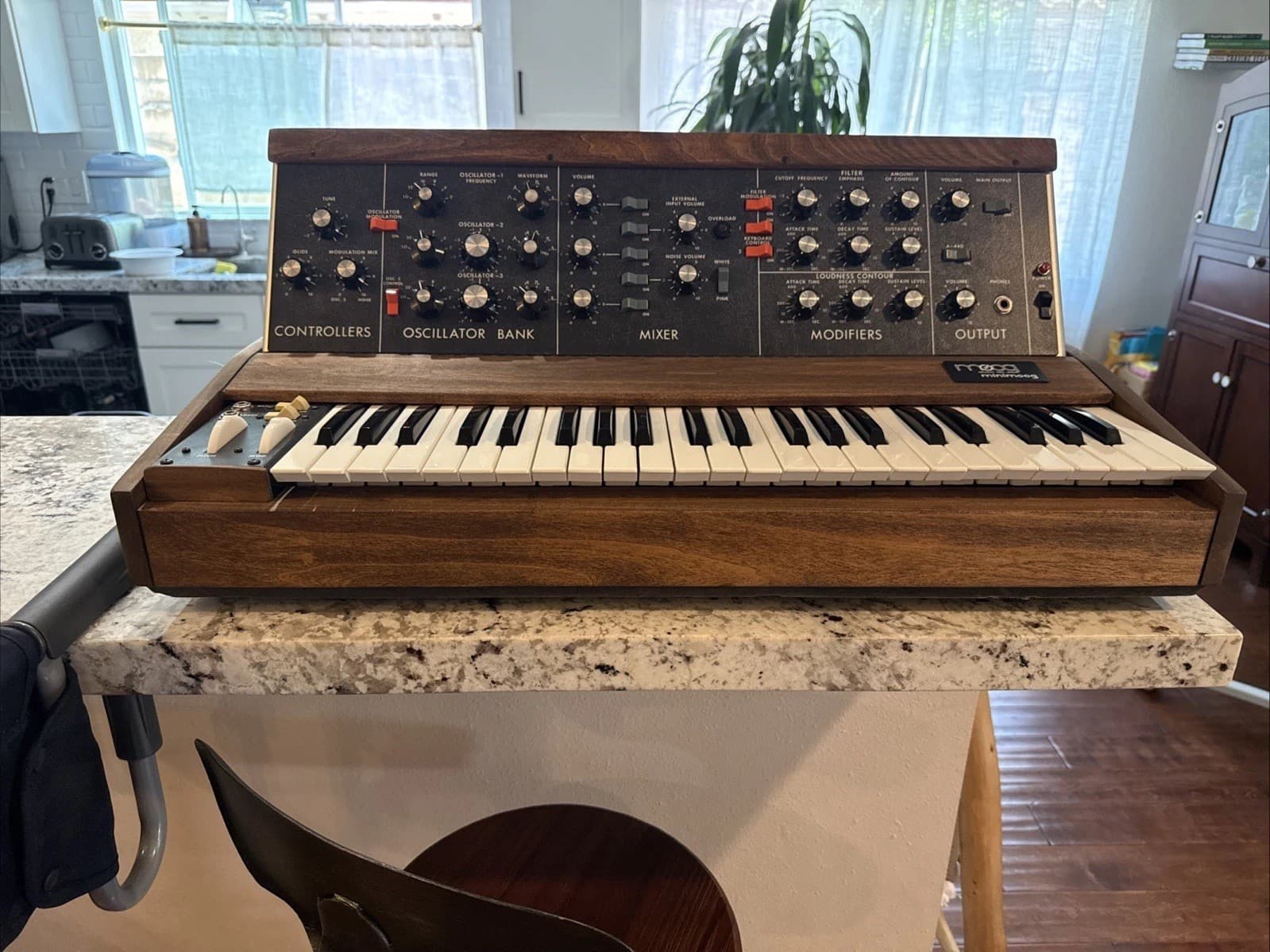
Serial number 3367 is the kind of Minimoog detail that makes collectors stop scrolling. The 1972 Model D tied to that number is being framed as a first-run early-70s instrument, and the listing’s pitch leans hard on the things that move vintage-synth money: an early serial, an unusually clean body, and a backstory that runs from a storage unit to professional jazz, then into TV, Broadway, and musical productions.
That matters because the Minimoog was not just another old keyboard. Moog Music dates the Model D’s release to 1970 and describes it as the world’s first portable synthesizer, while Cornell’s Moog exhibition says R.A. Moog Co. began manufacturing and shipping the more portable Minimoog in that same year. A forum discussion of Minimoog serial numbers adds another useful marker for collectors, noting that Moogs from the 1960s, 1970s, and 1980s era started at serial number 1001. Against that backdrop, 3367 sits relatively early in the run, close enough to the launch period to matter, but far enough along that originality and condition still have to do the heavy lifting.
That is where the line between historically important and merely expensive gets sharp. An early Model D earns its premium when the serial, the cosmetic state, and the paperwork all tell the same story. If the instrument really is as pristine as described, and if the claimed chain of ownership can be tied together, it becomes more than a clean survivor. It becomes a documented piece of the period when the Minimoog was moving from a more affordable, portable alternative to the modular Moog system into the hands of progressive rock and jazz players, and then into broader pop culture. If the paperwork is thin, though, the same serial number can be used to justify a price that runs ahead of the evidence.

The Bob Randall connection is the other part of the pitch that will get checked first. Randall, born Stanley Goldstein in 1937 and known as a screenwriter, playwright, novelist, and television producer, is a real figure with Broadway and TV credentials, including 6 Rms Riv Vu and Kate & Allie. That makes the story more plausible, not proven. For a first-run Model D like 3367, the real benchmark is simple: early serial, original character, and a paper trail strong enough to support the legend. Without that, the buzz is just buzz, and a landmark synth starts looking like an overworked sales narrative instead of a collector-grade survivor.
This article was produced by Prism’s automated news system from verified source data, official records, and press releases, then run through automated quality and moderation checks before publishing. The system is built and supervised by the people who set the standards it runs under. Read our full AI policy.
Did this article answer your question?