Akai MPC60 review revisits the sampler that changed beatmaking
The MPC60 still matters because its pads, swing, and 12-bit limits shaped how beats get built. That workflow is still the standard vintage-gear users measure against.
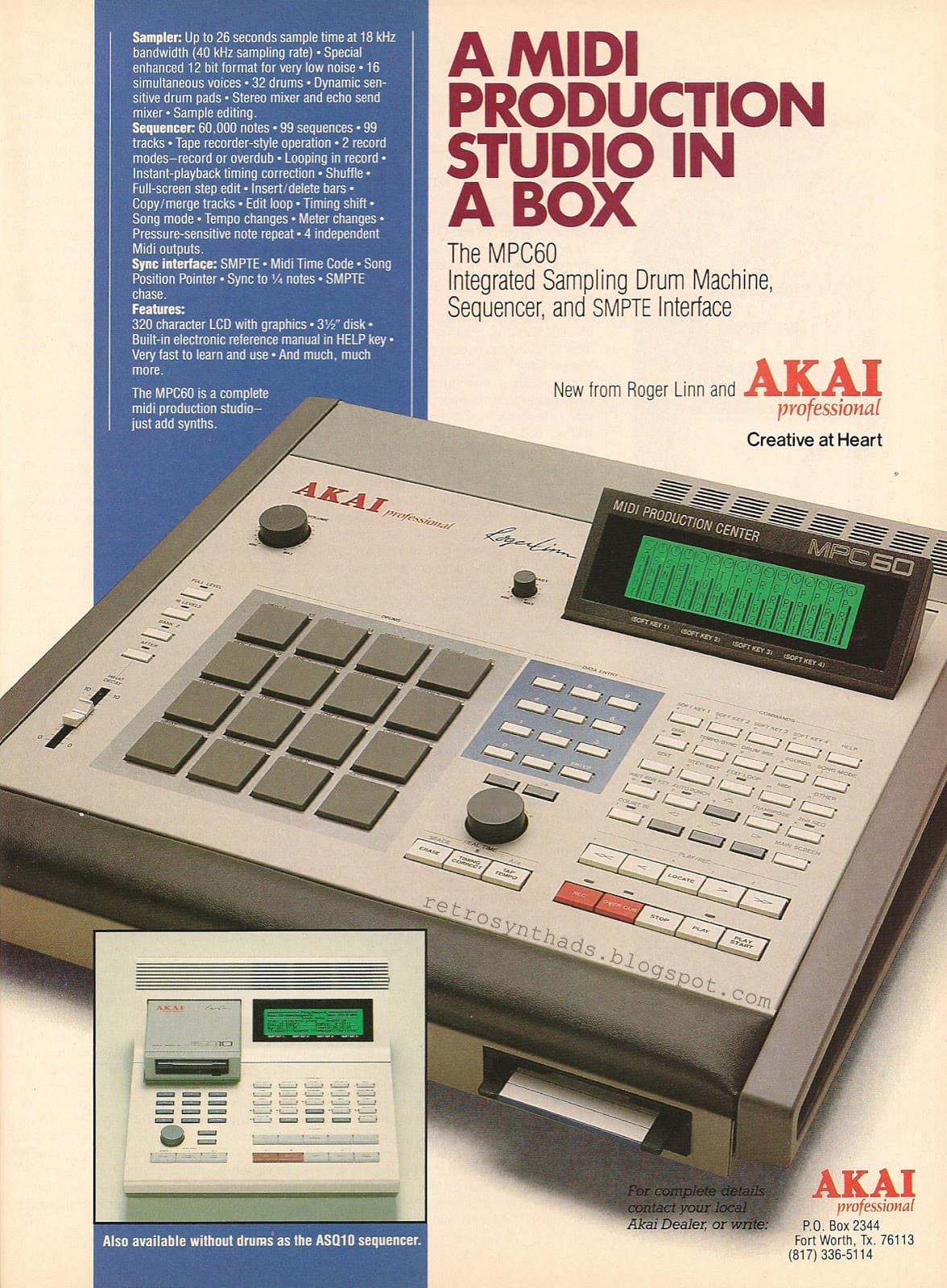
The Akai MPC60 keeps coming back into the conversation for one simple reason: it did more than sound good. It changed how beats were built, and that workflow still feels current whenever you sit down with hardware, restore an old unit, or try to fake the feel in software. Alex Ball’s look at the legendary MPC60 MIDI Production Center lands because it treats the machine as a living reference point, not a museum piece.
Why the MPC60 still sets the benchmark
The MPC60 was developed by Akai and Roger Linn and released in 1988, and that partnership matters as much as the specs. Contemporary music-tech coverage described it as coming from the ashes of the Linn 9000 project, which helps explain why it felt like a correction to earlier sampling-sequencer ideas rather than a fresh start from scratch. Sound On Sound has gone even further, calling the original grid-based sampling beatbox one of the most important machines in modern music.
That importance is easy to hear in the records it touched. The MPC60 and its descendants became part of the language of classic albums by DJ Shadow, Dr. Dre, J Dilla, and MF Doom. For anyone who cares about vintage gear, that list is not just a brag sheet. It is proof that the machine’s design shaped entire production habits, from sample chopping to drum programming to the feel of the finished track.
The hardware lessons that still matter
The MPC60’s influence starts with the way it forced decisions. Its 4x4 pad grid gave beatmakers a tactile, performance-first layout that later machines copied relentlessly. The 12-bit sampling engine delivered the crunchy character people still chase, while the 60,000-note sequencer and 99 tracks turned it into a compact production hub instead of a simple drum box.
Roger Linn’s swing feature is a huge part of the story too. Timing on the MPC60 was not just a technical spec, it was part of the personality of the machine. Add 512 KB of RAM and a floppy drive for storage, and you get a workflow defined by limits: short samples, deliberate choices, and a constant awareness of what can fit. For vintage-gear users, that is exactly the point. The MPC60 does not hide the process. It makes the process the sound.
Its connectivity also helped it move between worlds. MIDI support and individual outputs meant the machine could live in a home setup or a more serious studio without losing its identity. That flexibility is one reason the MPC60 became a standard reference tool rather than a one-off curiosity.
From Linn lineage to beatmaking standard
The 1988 launch did not happen in a vacuum. Music-tech coverage from April 1988 placed the MPC60 in the broader Linn lineage, and that historical detail matters because it shows the machine as part of a longer argument about how samplers should work. Roger Linn had already changed the conversation once, and the MPC60 turned that idea into a format the wider beatmaking world could actually adopt.
That adoption is still visible in Akai Professional’s own positioning. The company’s current MPC pages continue to sell the line as a hands-on beatmaking system built around sampling, sequencing, and performance pads. The modern lineup now adds Wi-Fi, Bluetooth, and much larger onboard storage, but the core idea is the same one the MPC60 established: a self-contained workstation that invites you to play the beat, not just program it.
What the MPC60 taught producers about feel
Part of the MPC60’s lasting appeal is that it rewards restraint. The machine’s limits encouraged producers to commit to sounds, shape timing by feel, and build tracks around a physical interaction with the pads. That is why it still comes up when people talk about timing discipline and sampling discipline. The workflow is narrow enough to make choices matter, but open enough to let personality dominate.

DJ Shadow’s Endtroducing….. is the clearest proof of that approach. Released on September 16, 1996, it was widely documented as being built over two years with an Akai MPC60 MKII and little other equipment. That is not just a famous album credit. It is a practical demonstration of how far the MPC60 workflow could be pushed when the sampler itself became the main instrument.
The machine also outlived the era that created it. Sound On Sound reported that DJ Premier was still creating tracks with an Akai MPC60 and S950 sampler in the mid-2000s, which shows how long producers kept trusting that feel after newer hardware had already arrived. The MPC60 did not matter only in the late 1980s and 1990s. It stayed useful because the way it worked remained musical.
What you can learn from it now
If you are choosing, restoring, sampling with, or emulating classic hardware, the MPC60 still teaches clear lessons:
- Prioritize workflow before feature count. The pad layout, swing, and sequencer matter because they shape decisions in real time.
- Treat limitations as part of the instrument. 512 KB of RAM and a floppy-based workflow pushed users toward commitment, not endless revision.
- Listen for timing as character. Roger Linn’s swing is one of the reasons the MPC60 still feels alive when people compare groove across machines.
- Value outputs and MIDI as much as tone. The MPC60 was built to integrate, not isolate, which is why it worked in so many setups.
- When emulating it, do not stop at the sample grime. The feel comes from the interface, the sequencing, and the discipline the machine imposes.
For restorers and collectors, that means the MPC60 is worth more than a spec-sheet glance. For samplers and producers, it remains a working lesson in how a box with a 4x4 pad grid, a 12-bit engine, and a handful of hard limits could define an era.
The reason the MPC60 still comes up is the same reason it mattered in the first place: it changed the job of the sampler from playback device to production mindset. That is why vintage-gear users keep returning to it, and why every modern pad-based workstation still lives in its shadow.
This article was produced by Prism’s automated news system from verified source data, official records, and press releases, then run through automated quality and moderation checks before publishing. The system is built and supervised by the people who set the standards it runs under. Read our full AI policy.
Did this article answer your question?