Dale North finally finds a clean Yamaha TQ5 after years searching
Dale North’s long hunt ended with a clean Yamaha TQ5, a rare late-’80s 4-op FM box that still hits for game composers and collectors.
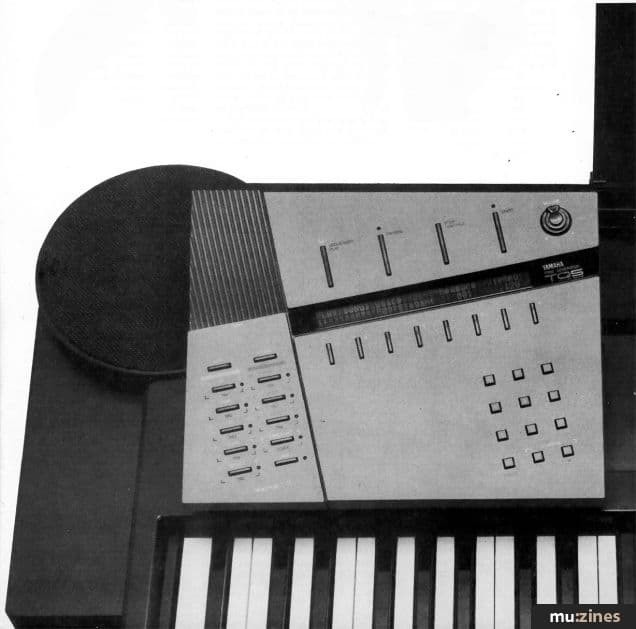
Dale North finally landed a clean working Yamaha TQ5 after years of searching, and the San Diego composer marked the find with a nostalgic demo that puts Yamaha’s overlooked desktop FM box back in view. For vintage synth hunters, the pull is immediate: this is a late-’80s 4-operator survivor designed by Frog Design that still has the exact compact, rack-era character many players remember from Yamaha’s most affordable FM years.
The TQ5 arrived in 1988, though some sources list 1989, as a keyboardless desktop tone generator in Yamaha’s 4-op family. It carried 8-note polyphony, 8 algorithms, 100 preset patches and 100 user patches, plus built-in reverb, chorus, distortion and echo. Depending on the source, Yamaha also paired it with either a 16-track or 8-track sequencer, and the front panel’s 40 x 2 character LCD kept the interface true to the era’s utilitarian FM logic. One archive says Yamaha originally priced it at ¥60,000, while other synth databases cite a $99 MSRP.
That spec sheet places the TQ5 squarely beside the DX11, TX81Z, FB-01, YS200 and V50, the late-1980s Yamaha FM cluster that defined a huge slice of affordable digital sound. The machine was designed by Hartmut Esslinger’s Frog Design, and its compact, sparsely decorated desktop shell made it feel less like a showpiece and more like a working tool. Another archive says Yamaha originally intended it to be paired with the PF-1500 electric piano, which underlines how much of the TQ5’s life was meant to happen offstage, inside a rig rather than on a keyboard stand.
North’s interest fits that history. He is a video game composer and arranger based in San Diego, with credits across roughly 100 games and projects for Disney, Marvel, Sony, Nintendo and Sega. His public bio says his music blends live instrumentation with synthesizers and the sound sets that shaped the Super Nintendo and PlayStation eras, which makes a compact Yamaha 4-op unit an obvious piece of the puzzle rather than a curiosity. In a market where clean examples keep getting harder to find, the TQ5 looks less like an also-ran and more like a sleeper that deserves a second listen from anyone still chasing Yamaha FM with character.
This article was produced by Prism’s automated news system from verified source data, official records, and press releases, then run through automated quality and moderation checks before publishing. The system is built and supervised by the people who set the standards it runs under. Read our full AI policy.
Did this article answer your question?