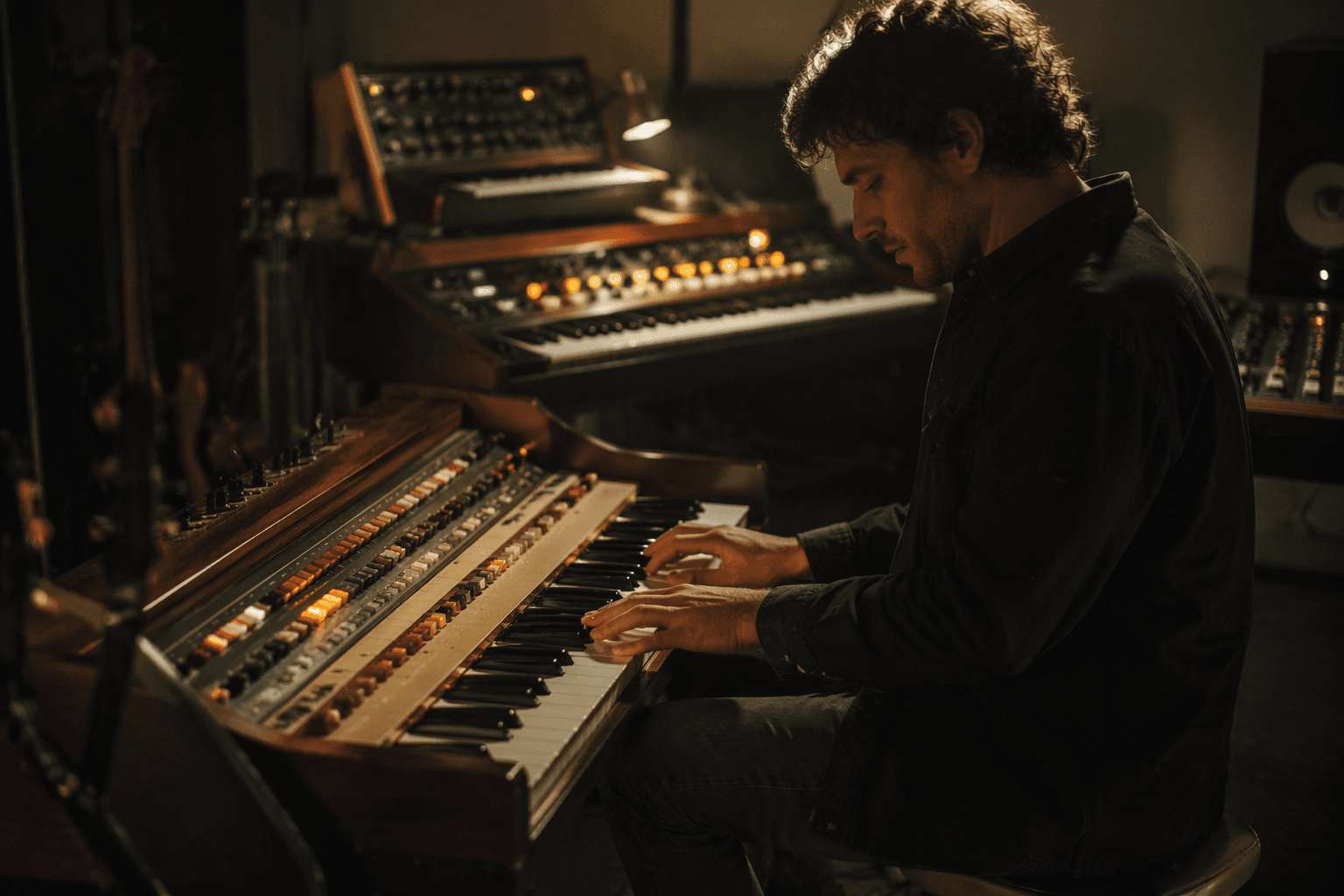
free EightySix plugin models restored Roland Juno-6 hardware
A free beta EightySix finally puts the Juno-6 chorus and snap within reach, without the vintage-market price tag.
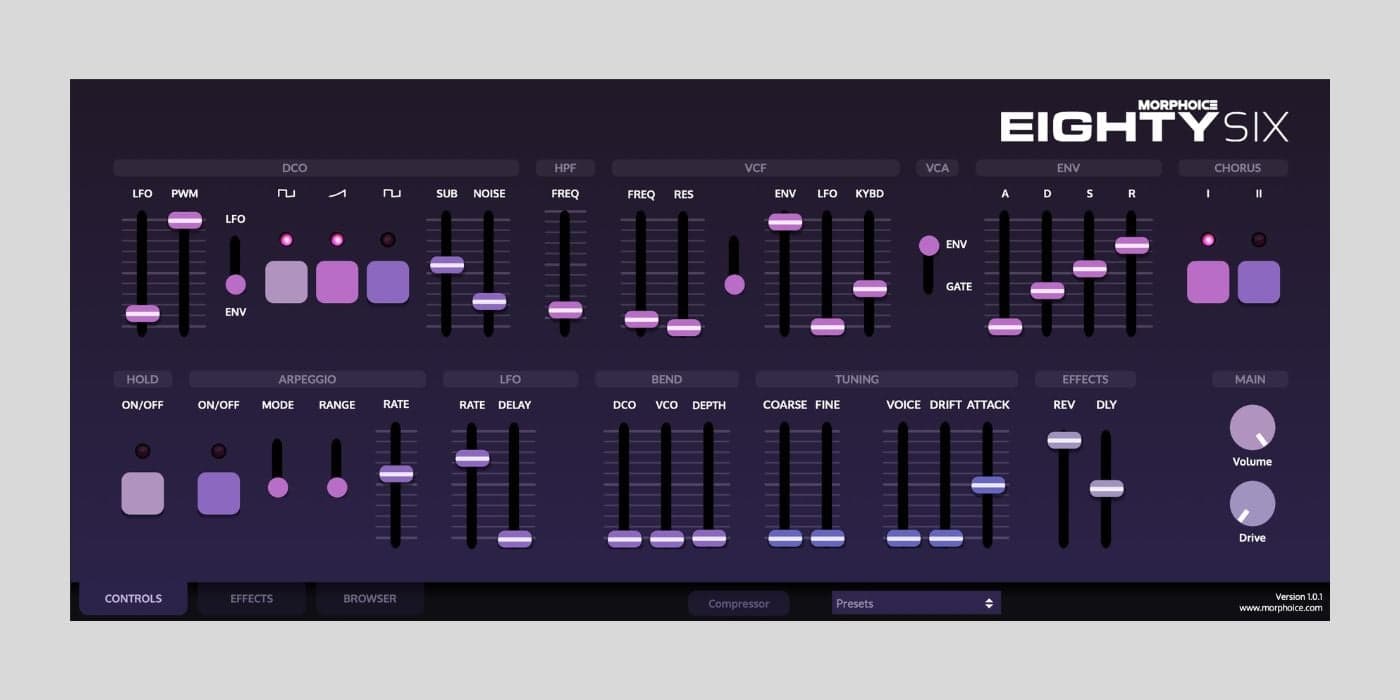
The easiest way to get close to a Juno-6 today may be a download. MORPHOICE’s EightySix is a free beta built from the developer’s own meticulously restored Juno-6 hardware, and that provenance matters because the chase here is not a generic Roland gloss, but the specific chorus, immediacy, and sweet spots that made the original a mainstay.
Roland launched the Juno-6 in 1982 with six voices of polyphony, and the company still frames the Juno line as part of the sound of the 1980s. The synth earned that status through a simple formula: warm analog oscillators, a distinctive chorus, and a front panel that invited fast, hands-on programming. The original also lacked patch memory and MIDI, which helps explain why the hardware remains so desirable and so inconvenient. You get the charm; you also get the maintenance.
EightSix aims straight at that balance. The plugin models the Juno-6’s saw, pulse, and sub-oscillator architecture, the familiar Roland low-pass filter, and the chorus movement users expect from the family. MORPHOICE also matched modulation and envelope behavior to the hardware and measured the chorus modes from the real synth, a detail that pushes the emulation toward the movement and shimmer collectors actually notice. DarkStar reverb and delay add extra range, but the core pitch is still the same: a Juno-style instrument that reacts quickly and sits in a mix with very little fuss.

The release is currently free to download as a VST3 for Windows and macOS, with pay-what-you-want support available for the developer. KVR Audio lists the current version as 1.0.1 and says the plugin is also available as an Audio Unit on macOS. It also notes that Arpeggio, Hold, and Tuning are slated for a future update, while a full release may end up paid. That gives EightySix a clear role right now: a usable beta for people who want the Juno-6 flavor without the hardware hunt.
Roland’s own software work reinforces why this kind of emulation lands so well. The company says its recreations are built from analysis of original hardware units, circuit diagrams, and other historical data, and it describes the classic Juno formula in the same terms players have used for decades, single DCO, sub-oscillator, VCF, and chorus. EightySix may not replace a real Juno-6 for people who want the original panel under their fingers, but for everyone else, it opens the door to that unmistakable chorus-soaked sound without vintage-market prices.
This article was produced by Prism’s automated news system from verified source data, official records, and press releases, then run through automated quality and moderation checks before publishing. The system is built and supervised by the people who set the standards it runs under. Read our full AI policy.
Did this article answer your question?